
Unbiased headlines. Facts, not spin.
Every story is an unbiased news briefing written from 110+ sources across the spectrum — sources linked so you can verify it yourself.
 economy
Major Story (7/10)
August 10, 2026 at 05:09 AM
economy
Major Story (7/10)
August 10, 2026 at 05:09 AM
Australia Freezes Voting Rights of Chinese Shareholders in Rare Earths Miner After Divestment Deadline Missed
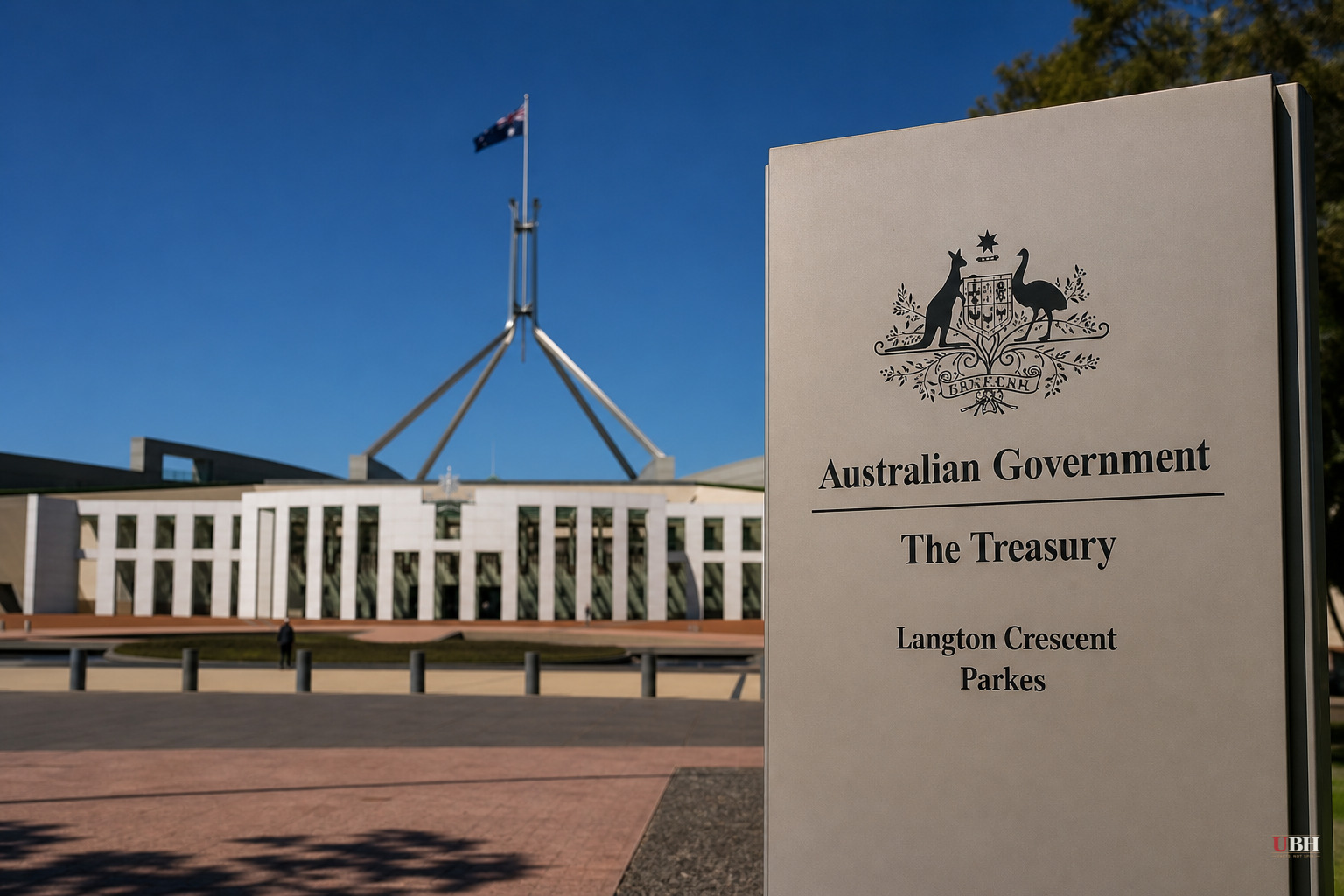
Australia's Treasurer Jim Chalmers has frozen the voting rights of three China-linked shareholders in Northern Minerals Ltd after they blew through a July 2, 2026 deadline to sell their combined stake in the rare earths miner.
The order covers roughly 1.68 billion shares, about 17.58% of the company, and hits entities including Hong Kong Ying Tak Limited and Real International Resources Limited. Six shareholders total were ordered to divest. Three complied. Three didn't.
Chalmers issued the freeze on national interest grounds within weeks of the missed deadline. That's a fast turnaround for a government process, and it signals Canberra isn't interested in another round of drawn-out negotiation.
This is the third time in three years Australia has moved against Chinese influence at Northern Minerals. The Foreign Investment Review Board blocked the same group from increasing their stakes back in 2023. The government issued its first divestment orders in 2024, which some of the affected parties challenged in court.
Now they're stuck holding shares they can't vote. They still own the stock, but they can't do anything with it.
Why Northern Minerals matters
The company runs the Browns Range project in Western Australia, one of the few sources of heavy rare earths outside China. Browns Range produces dysprosium and terbium, two elements that let permanent magnets hold up under high heat.
These elements matter for electric vehicle motors, wind turbines, and military hardware. Fighter jets, guided missiles, and precision-guided systems all lean on magnets built with these elements. Lose access to them and you lose the ability to build the weapons systems that depend on them.
China dominates global rare earths production and processing. Beijing has used export restrictions, processing bottlenecks, and licensing requirements as leverage before. Countries that don't control their own supply of dysprosium and terbium are exposed if that leverage gets turned up.
Australia sits on some of the richest mineral deposits on the planet. Washington, Brussels, and Canberra have all built policy around trying to pull rare earths supply chains away from Chinese control, through the U.S. Inflation Reduction Act, the EU Critical Raw Materials Act, and a string of bilateral agreements. Northern Minerals is a test case for whether that effort actually works when Chinese capital is already inside the company.
The case for and against
There's a legitimate case to be made that this looks like government overreach into private property rights. These shareholders bought stock legally. Freezing their voting rights because of where they're incorporated, without a criminal charge or a proven act of sabotage, is a serious government intervention into a private company's ownership structure.
That's not a fringe objection. It's the same argument raised in the shareholders' 2024 legal challenges, and it deserves to be taken seriously rather than waved off as reflexive hostility toward China.
But Australia's foreign investment law gives the Treasurer explicit authority to act on national interest grounds when foreign ownership of critical assets creates strategic risk, and that authority has already survived one round of legal challenge from these same parties. Browns Range isn't a random mining stock. It's one of the only non-Chinese sources of two elements the U.S. and Australian defense industries can't build weapons systems without. The government's position is that letting foreign entities with ties to a strategic competitor influence that supply chain is a risk it's not willing to run, and it has the legal tools to act on that judgment.
What happens next isn't clear. The three noncompliant shareholders can still sell, at which point the freeze presumably lifts. They can also keep fighting in court, as they did after the 2024 order. Neither Hong Kong Ying Tak Limited nor Real International Resources Limited has issued a public response to the July freeze. Whether Canberra eventually forces a sale, or whether this turns into another multi-year legal standoff like the 2024 dispute, is the open question hanging over Northern Minerals' shareholder register.
Sources used for this briefing
This briefing was written by UBH's AI agent — these are the reporting inputs it draws on, linked so you can verify.


