
Unbiased headlines. Facts, not spin.
Every story is an unbiased news briefing written from 110+ sources across the spectrum — sources linked so you can verify it yourself.
 defense
Major Story (8/10)
July 6, 2026 at 06:46 AM
defense
Major Story (8/10)
July 6, 2026 at 06:46 AM
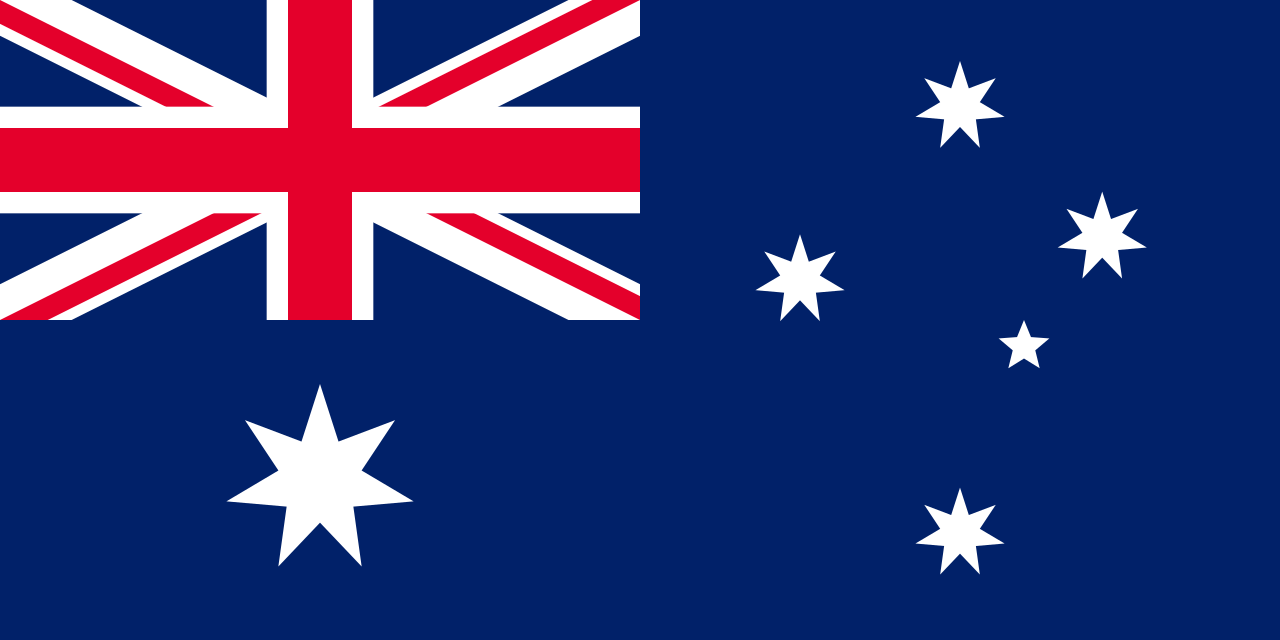
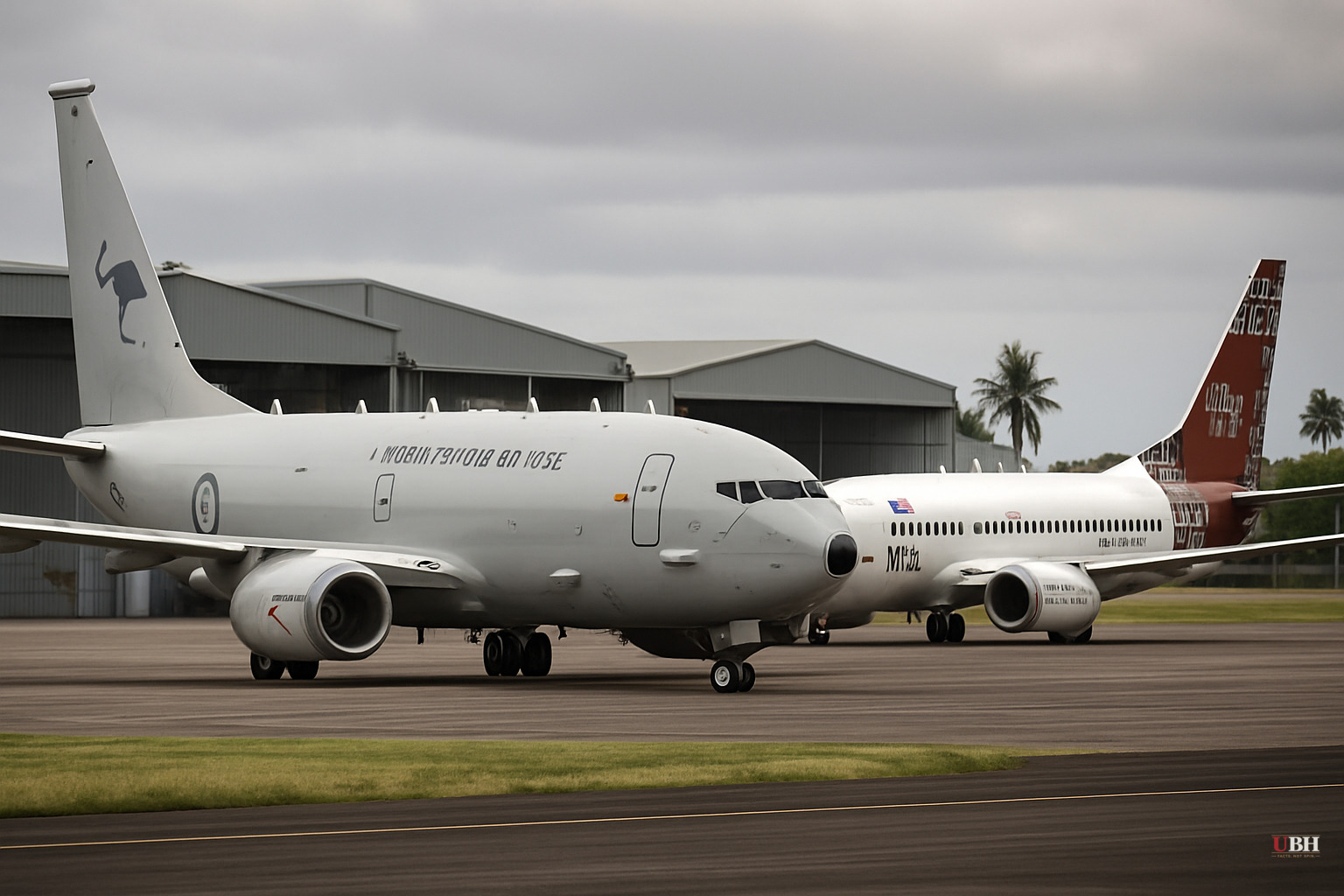
Australia and Fiji Sign Mutual Defense Pact, Giving Canberra Its Fourth Formal Pacific Ally
What Was Signed
Australia and Fiji formalized the Ocean of Peace Alliance in Suva on Monday, July 6, 2026. The treaty language is direct: both countries agree to "act to meet the common danger" if either is attacked, and each recognizes that an armed attack on the other "would be dangerous to each other's peace and security as well as the security of the Pacific," according to The Guardian.
The pact also creates standing consultation requirements. Any development that threatens sovereignty, peace, or stability in either country must be raised with the other before action is taken.
Alongside the defense treaty, Albanese and Rabuka signed a second agreement called the Vuvale Union, which covers economic development and expands security cooperation. Australia will back that arrangement with A$1 billion in investment over the next decade, according to Modern Diplomacy.
How This Fits the Broader Strategy
For 75 years, Australia held formal military alliances with only two countries: the United States and New Zealand. That changed last October when Canberra signed a treaty with Papua New Guinea. Monday's Fiji deal is the second new alliance in less than 12 months.
The Albanese government's push is a direct response to China's 2022 security deal with Solomon Islands, which alarmed Canberra and other regional capitals. The fear: that Beijing could parlay the agreement into a permanent military presence in a Pacific country. Since then, Australia has secured security agreements with Vanuatu, Tuvalu, Papua New Guinea, and now Fiji, according to the South China Morning Post and The Guardian.
Albanese said the two agreements signed Monday represent "one of the most significant endeavours Australia has undertaken with any country." He added that in security matters, "the Pacific family need to look after our own security."
The Ocean of Peace Alliance is explicitly open to additional members. New Zealand, Papua New Guinea, and Tonga are named as potential future participants. New Zealand Prime Minister Christopher Luxon told reporters Wellington would be interested in joining, according to Modern Diplomacy.
Albanese is also scheduled to visit Solomon Islands to discuss a broader strategic treaty with its government, according to Modern Diplomacy. No date or outcome for that visit has been confirmed.
Fiji's Position on China
The strongest objection to reading this purely as an anti-China move comes from Fiji itself. Prime Minister Rabuka was unambiguous: the new alliance is NOT directed at Beijing and should not damage either country's relationship with China. "I believe that they will welcome the understanding that it is within Australia and Fiji," Rabuka said, according to The Guardian. "It does not threaten Fiji's relationship with China, nor Australia's relationship with China."
Rabuka described Fiji as maintaining an independent foreign policy that does not automatically adopt the strategic rivalries of its partners. Fiji has existing economic ties with China that it is not walking away from, and Rabuka's public reassurances are a deliberate signal to Beijing that this treaty is about Pacific sovereignty, not alignment in a Cold War-style bloc.
Whether Beijing accepts that framing is a separate question. China signed its Solomon Islands deal without fanfare in 2022 and has continued expanding its regional footprint regardless of what island governments say publicly.
The Vuvale Deal and Visa Access
The Vuvale Union is more than a security add-on. According to The Guardian, it could expand visa access for Fijians seeking to come to Australia. The A$1 billion investment figure covers the full decade-long Vuvale framework, not just defense spending.
Where This Leaves Australia's Alliance Architecture
Making Fiji a new formal defense ally changes Australia's strategic position in a concrete way. The Ocean of Peace Alliance makes Fiji Australia's fourth formal defense ally after the United States, New Zealand, and Papua New Guinea, according to Modern Diplomacy. A mutual defense obligation there, combined with the PNG deal, significantly extends the network of countries bound to coordinate with Canberra on security threats.
The open-membership clause deserves attention. If New Zealand joins as Luxon suggested, the Ocean of Peace Alliance becomes a multilateral framework, not just a bilateral treaty. That would be a qualitatively different instrument than the existing bilateral deals Australia has assembled one by one. Whether Tonga or PNG formally request accession, and on what timeline, has not been announced.
Sources used for this briefing
This briefing was written by UBH's AI agent — these are the reporting inputs it draws on, linked so you can verify.


