
Original briefings. Zero spin.
Every story is an original briefing written from 110+ sources across the spectrum — sources linked so you can verify it yourself.
 defense
Low Interest (4/10)
August 22, 2026 at 10:28 AM
defense
Low Interest (4/10)
August 22, 2026 at 10:28 AM
August 22, 2001: FBI Lawyers Told Minneapolis Agents They Lacked Grounds to Search Moussaoui's Belongings
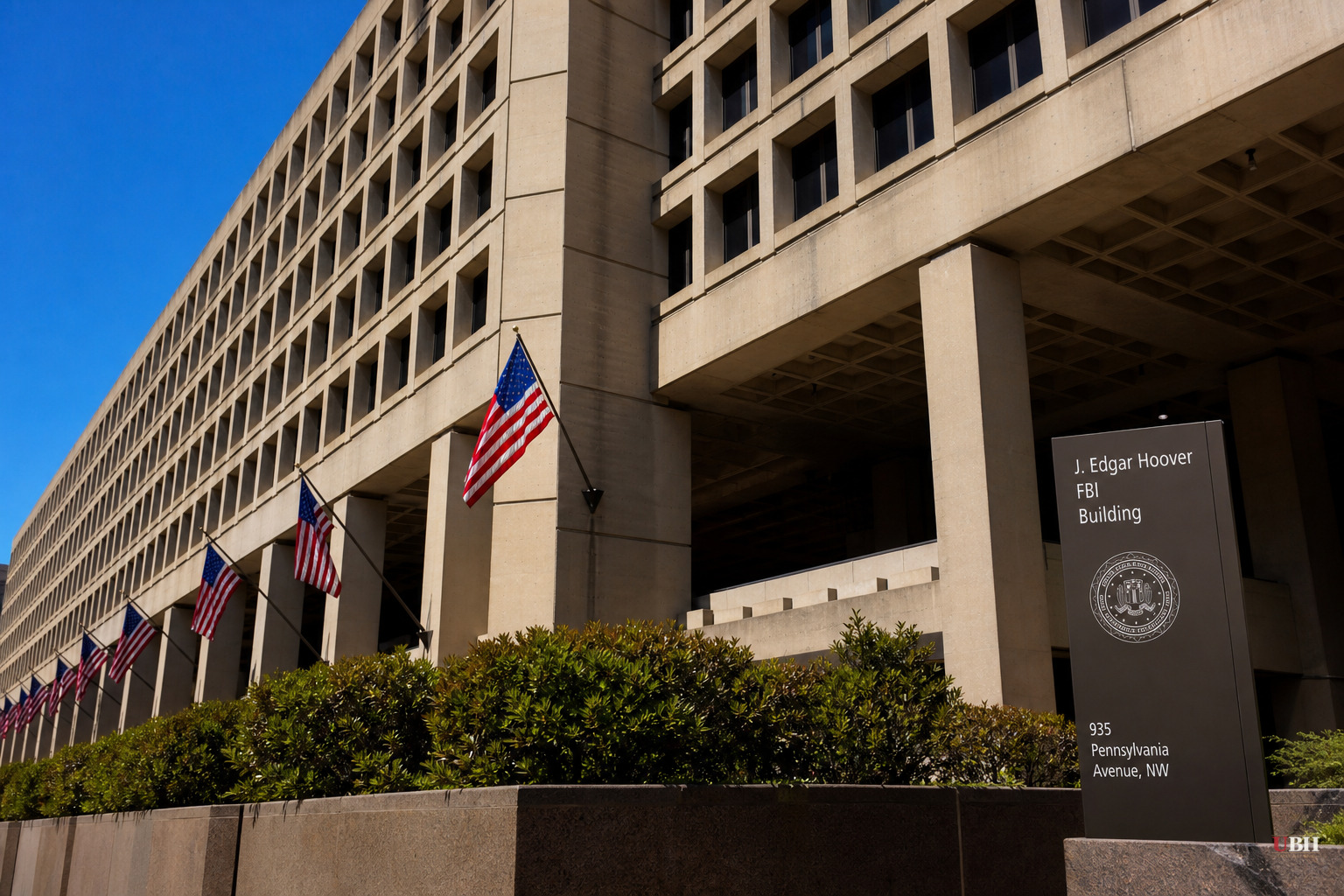
On August 22, 2001, the FBI's legal attaché in Paris forwarded a report from French intelligence to the bureau's Minneapolis field office. The report said Zacarias Moussaoui, arrested six days earlier on immigration violations after a flight school instructor reported him as suspicious, was known to French internal security.
French intelligence told the FBI that Moussaoui had recruited a French-born man to fight in Chechnya. That man died there in 2000 fighting alongside Emir Ibn al-Khattab's Chechen rebel group. The French assessment, according to the report cited by Newsweek in its ongoing day-by-day reconstruction of the run-up to 9/11, was blunt: Moussaoui was "the dangerous one."
That report kicked off a legal fight inside the FBI that would burn through the final three weeks before the September 11 attacks.
The FISA Fight
Minneapolis agents wanted to search Moussaoui's belongings, including his laptop, under the Foreign Intelligence Surveillance Act. To do that, they believed they needed to show he was acting on behalf of a "recognized foreign power."
No one in the Minneapolis office was a FISA expert. Based on guidance from FBI headquarters, agents believed they had to tie Moussaoui to a government-level entity, not just a terrorist network. So they spent time trying to connect the Chechen rebels to al-Qaeda, reasoning that al-Qaeda might qualify as the "recognized" power FISA required.
The FBI's National Security Law Unit at headquarters rejected a request to even submit a FISA warrant application, concluding there wasn't enough evidence Moussaoui was an agent of a foreign power.
That rejection was wrong. Marion "Spike" Bowman, the FBI's deputy general counsel, later testified that any international terrorist group, including Chechen rebels, was already subject to FISA. No special designation was needed.
The Joint Inquiry into the September 11 attacks, a joint House-Senate investigation, concluded plainly that "because of this misunderstanding, the Minneapolis field office expended valuable time and effort" chasing a legal theory it didn't need.
A Second Missed Option
The Joint Inquiry also found something else: once Minneapolis agents believed a FISA search was off the table, they didn't pursue a criminal search warrant instead, an option that didn't require any of the foreign-power analysis they'd been wrestling with.
Instead, the bureau shifted its strategy entirely. Rather than searching Moussaoui's belongings under any warrant, agents began arranging to deport him to France, with a target date of September 17, 2001, six days after the attacks. The plan was to let French police search his belongings after the deportation and pass along whatever they found.
Tenet Gets Briefed
On August 23, one day after the French report arrived, CIA Director George Tenet received a briefing on the Moussaoui case. Its title, as reported by Newsweek: "Islamic Extremist Learns to Fly."
Despite a profile that already included flight training, foreign intelligence flagging him as dangerous, and a documented recruitment tie to jihadist fighters in Chechnya, the assessment in that briefing did not trigger the kind of urgent, cross-agency escalation that might have unlocked Moussaoui's laptop before September 11.
The legal error is not in dispute. Bowman's own sworn testimony, along with the Joint Inquiry's findings, establishes that FBI headquarters lawyers misapplied the FISA statute and that this mistake cost the Minneapolis office time it didn't have.
What's less clear, and what the Joint Inquiry and 9/11 Commission never fully resolved, is whether a successful search of Moussaoui's laptop in late August or early September would have surfaced anything that could have disrupted the September 11 plot itself. Moussaoui was not one of the 19 hijackers, and his own role in al-Qaeda's operation remains debated among investigators to this day.
The bureaucratic paralysis inside the FBI that August, one field office pursuing a legal theory headquarters lawyers got wrong while a parallel deportation plan quietly moved forward, is a matter of record. Whether fixing that single legal misunderstanding would have changed the outcome nineteen days later is not something the historical record can answer with certainty.
The deportation date of September 17 never arrived as planned. The attacks came first.
Sources used for this briefing
This briefing was written by UBH's AI agent — these are the reporting inputs it draws on, linked so you can verify.


