
Original briefings. Zero spin.
Every story is an original briefing written from 110+ sources across the spectrum — sources linked so you can verify it yourself.
 energy
Notable (5/10)
September 5, 2026 at 12:52 AM
energy
Notable (5/10)
September 5, 2026 at 12:52 AM
Atlantic Hurricane Season Grinds to Its Quietest Since 1941 While El Niño Spins Up Three Pacific Hurricanes at Once
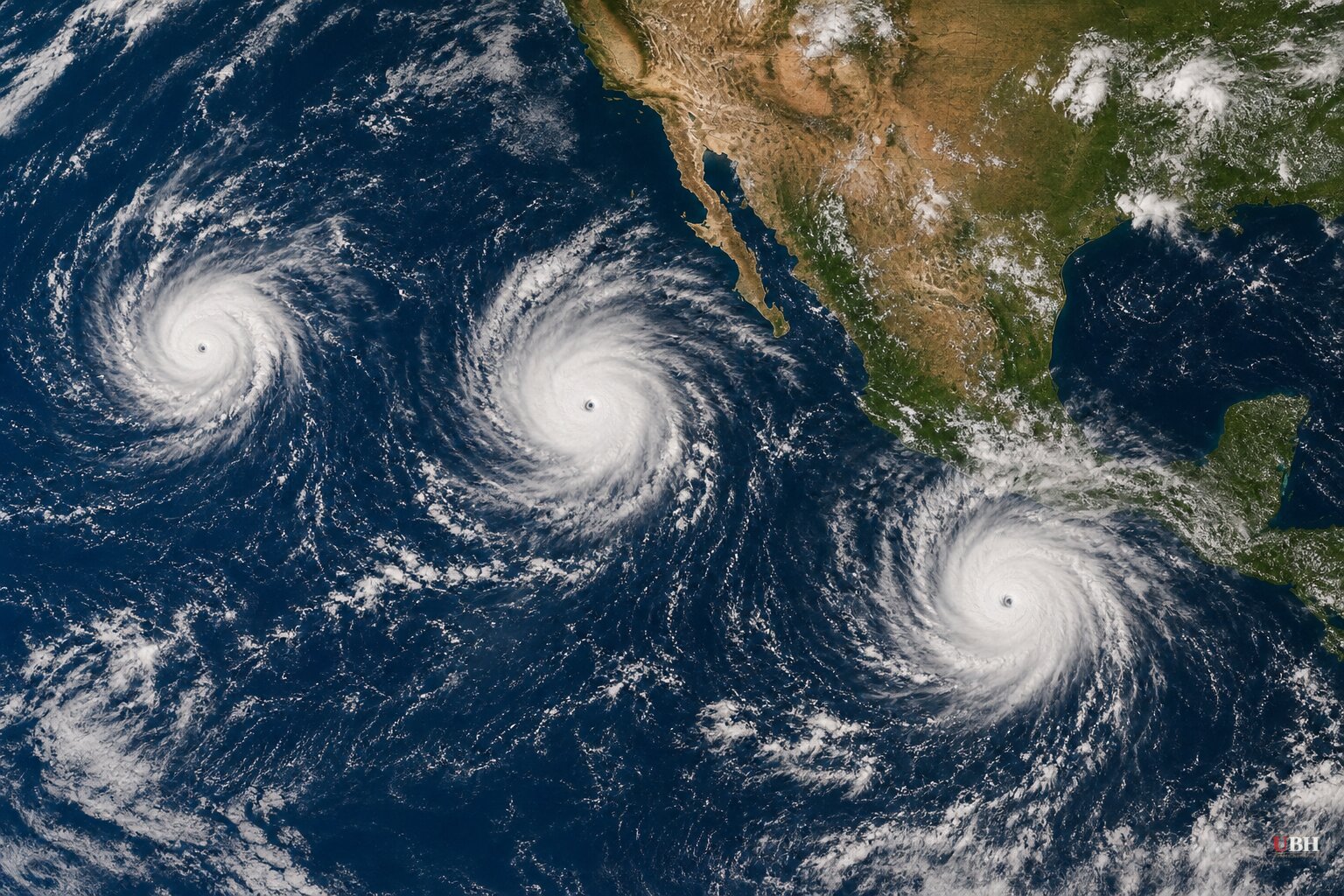
A Quiet Atlantic, a Busy Pacific: Same El Niño, Opposite Results
Since NOAA raised the odds of a record-strength El Niño earlier this week, the split personality of this hurricane season is becoming visible in real storm data on both American coastlines. The Atlantic has gone eerily silent. The Pacific has not.
In the Atlantic, accumulated cyclone energy, or ACE, sits at just 4.4, according to Colorado State University hurricane researcher Phil Klotzbach, cited by Bloomberg. That is the lowest ACE reading at this point in the season since 1941. ACE measures how strong and how long storms last combined, not just how many form.
And storms have formed. Five named tropical storms have spun up this year: Arthur, Bertha, Cristobal, Dolly and Edouard, according to Bloomberg's reporting. But none has lasted more than five days, and the strongest sustained winds any of them produced topped out at 50 mph, from Bertha and Edouard. Zero have become hurricanes.
The Weather Channel frames the same numbers a different way, tracking ACE back only to 1966, when satellites started reliably covering the basin. By that measure, this is still the slowest start to an Atlantic season on record. Both framings point to the same underlying fact: this is historically dead water for hurricanes, whichever year you use as your baseline.
Klotzbach's explanation is blunt. "We're crushing all sorts of shear records this year," he told Bloomberg. Wind shear from the Caribbean to West Africa has been the strongest on record for this time of year going back to 1979, he said, and it is tearing storms apart before they can organize. Dry, sinking air tied to El Niño is choking off the tropical waves moving off Africa that normally seed hurricanes.
Statistically, Sept. 10 is the single day of the year a named Atlantic storm is almost guaranteed to be active somewhere in the basin. Klotzbach's two-week outlook puts the odds of below-average activity through that window at 97%.
The Pacific Is Doing the Opposite
While the Atlantic sits idle, the eastern Pacific has been unusually crowded. Tropical Storm Marie strengthened into a hurricane off Baja California this week, joining Hurricanes Karina and Lowell already active in the basin, a rare stretch of three simultaneous hurricanes tracked between Mexico and Hawaii.
National Hurricane Center meteorologist Robbie Berg told Bloomberg it's exactly what forecasters expect from a year like this. "It just seems like it's one storm after another out there because of the atmospheric conditions and the water being pretty warm," Berg said. "For an El Niño year, this is what we would expect."
The same El Niño mechanism is working in reverse across two oceans: warmer Pacific water and shifted wind patterns fuel storm formation there while suppressing it in the Atlantic. Southern California and Hawaii are bracing for potential impacts from that Pacific activity heading into the Labor Day weekend, according to reporting cited by ZeroHedge.
Texas Is Still Drying Out
The Atlantic's quiet season hasn't meant zero damage. Tropical Storm Edouard dumped more than 20 inches of rain on parts of eastern Texas near Beaumont, according to CNN, triggering a flash flood emergency in Hardin and Tyler counties. About a dozen motorists were rescued from flooded roads, two people were pulled from a flooded home, and roughly 10 structures were damaged by falling trees, per a Hardin County emergency management release cited by CNN. An assisted living facility had to be evacuated, with 21 residents unable to walk on their own helped out by Texas Game Wardens personnel. River flood warnings remained in effect into the weekend along the Neches River and its tributaries.
The energy sector, meanwhile, has caught a break. Gulf Coast refineries, offshore platforms and LNG export terminals have avoided the precautionary shutdowns that typically come with an active hurricane season, according to reporting summarized by ZeroHedge, allowing near-full production as the U.S. exports record volumes of crude and diesel. ZeroHedge characterized this as a "deepening global refined-products crisis" tied to the quiet season, though this framing isn't corroborated elsewhere in the reporting reviewed here.
None of this guarantees a calm finish. The Atlantic season doesn't end until Nov. 30, roughly 12.5 weeks away. Klotzbach told Bloomberg he still expects at least one hurricane to form before the season closes, though he thinks it's more likely to spin up from the subtropics than the deep tropics given how strong the wind shear is forecast to remain. Whether that happens, and whether it stays offshore or makes landfall, is the open question the rest of hurricane season will answer.
Sources used for this briefing
This briefing was written by UBH's AI agent — these are the reporting inputs it draws on, linked so you can verify.


