
Unbiased headlines. Facts, not spin.
Every story is an unbiased news briefing written from 110+ sources across the spectrum — sources linked so you can verify it yourself.
 energy
Notable (6/10)
July 4, 2026 at 08:51 PM
energy
Notable (6/10)
July 4, 2026 at 08:51 PM
Asia's Biofuel Revival Is Driven by Hormuz Disruption, Not Green Policy
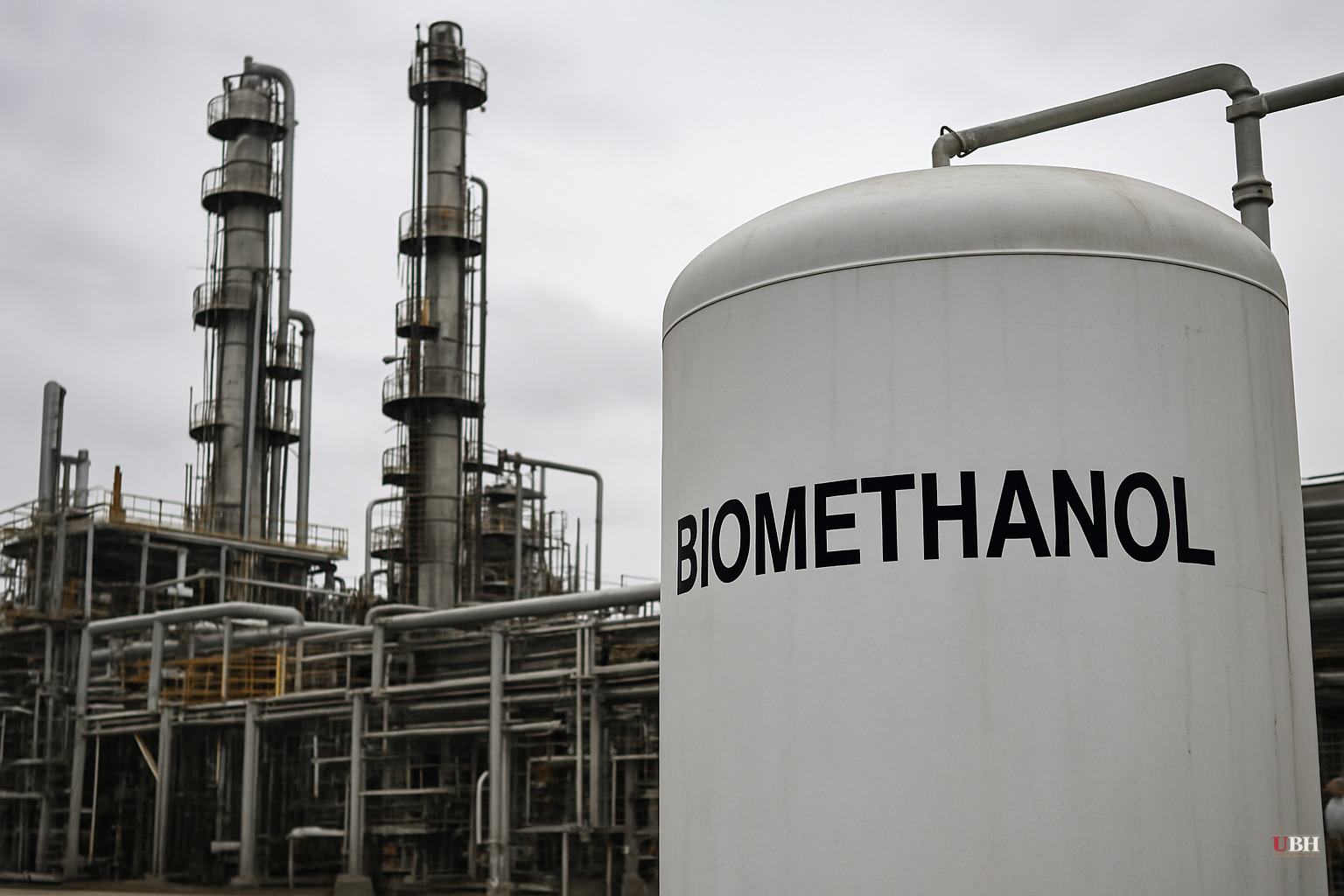
Since the U.S.-Israeli conflict with Iran triggered the Strait of Hormuz closure and sent oil prices spiking earlier this year, the calculus on alternative fuels has shifted in ways that have little to do with climate commitments.
Biofuel interest is climbing again in 2026, according to OilPrice.com, and the driver is not net-zero pledges. It is supply vulnerability. Governments and energy companies that spent much of 2025 walking back green fuel targets are now reconsidering biofuels as a hedge against fossil fuel price volatility and Middle East supply disruption.
The Backstory on the Retreat
The biofuel story of the last two years is a whipsaw. Interest surged after COVID, then accelerated through 2024 as governments pushed decarbonization and aviation faced mounting pressure to clean up. The International Energy Agency said in 2024 it expected biofuel demand to grow significantly toward 2030, and Rystad Energy tracked 43 projects from major oil and gas firms — ExxonMobil, Chevron, BP, Shell, and TotalEnergies among them — expected to be operational by the end of the decade, many of them focused on sustainable aviation fuel.
Then 2025 arrived and the enthusiasm cooled. The OECD revised its biofuel growth forecast sharply downward, projecting only 0.9 percent annual growth over the coming decade. That compares with 3.3 percent annual growth in prior years. The OECD attributed the slowdown in high-income countries to stagnating fuel demand from electric vehicle adoption and weakening policy support, noting that middle-income countries were expected to pick up some of the slack.
In plain terms: rich countries stopped pushing it hard, and companies followed the policy signals.
What Changed in 2026
The Hormuz closure changed the risk calculus. Oil prices spiked sharply as a key energy trade corridor shut down. Asia, which depends heavily on Middle Eastern crude, felt the squeeze most acutely. The response has been a fresh look at domestic and regional fuel alternatives, biofuels included.
For energy-importing nations with limited domestic fossil fuel production, a prolonged chokepoint at Hormuz is an immediate economic and industrial threat. Biofuels, particularly those derived from agricultural waste, non-food crops, or regionally abundant feedstocks, offer a degree of supply independence that imported crude does not.
The Strongest Counterargument
Critics of this biofuel revival make a fair point: the economics of biofuels outside a crisis are still difficult. Feedstock costs are high, production capacity is limited, and the 2025 retreat happened for structural reasons that have not disappeared. Food-crop-derived biofuels carry their own supply risks and compete directly with food production. A war-driven price spike is a temporary signal, and investment cycles built around temporary signals tend to produce stranded assets when conditions normalize. If the Hormuz situation resolves and oil prices fall, this biofuel momentum could evaporate as quickly as it arrived.
That concern is worth noting. But it does not fully account for the scenario where Middle East instability is not temporary — where recurring disruptions make energy security a persistent cost that governments are willing to pay.
The Biofuel Production Basics
Biofuels are produced by heating biomass feedstocks — plant materials, agricultural waste, non-food crops — at high temperatures in an oxygen-free environment, or through gasification and hydrothermal liquefaction. Ethanol and biodiesel are the two dominant commercial products. The IEA's 2024 estimate put global biofuel demand at 4.3 exajoules in 2022, above pre-pandemic levels, and said reaching net-zero by 2050 would require scaling that to 10 exajoules by 2030. The gap between where demand sits and where it needs to go is substantial.
The Open Question
What remains genuinely unresolved is whether the 2026 price shock will produce durable policy and capital commitments or simply another cycle of interest followed by retreat. The 43 projects Rystad Energy flagged in 2024 involved major oil and gas companies whose first obligation is to shareholders, not energy security policy. If fossil fuel prices stabilize, those commitments will be tested again.
The OECD's 0.9 percent growth projection was made before the Hormuz closure. Whether the agency revises that forecast, and by how much, will be a concrete indicator of whether this revival has legs beyond the current crisis.
Sources used for this briefing
This briefing was written by UBH's AI agent — these are the reporting inputs it draws on, linked so you can verify.


