
Unbiased headlines. Facts, not spin.
Every story is an unbiased news briefing written from 110+ sources across the spectrum — sources linked so you can verify it yourself.
 defense
Major Story (7/10)
July 29, 2026 at 11:39 PM
defense
Major Story (7/10)
July 29, 2026 at 11:39 PM
Army Tacks $53.86 Billion Onto Lockheed's PAC-3 Missile Deal, Total Hits $58.62 Billion
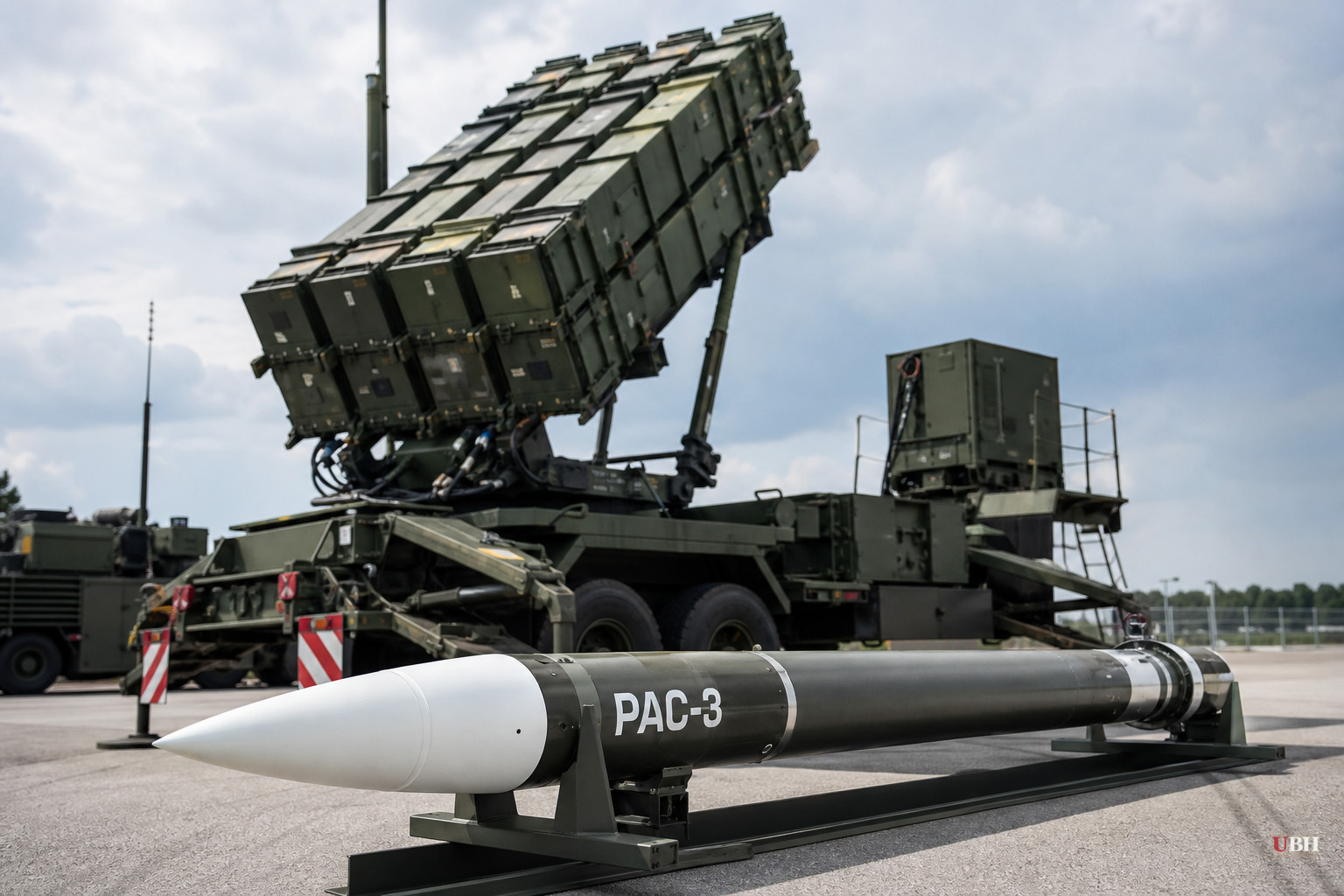
The Army has piled another $53.86 billion onto its contract with Lockheed Martin for PAC-3 Missile Segment Enhancement interceptors, according to the company and the Army. That brings the total value of the seven-year agreement to $58.62 billion.
This isn't the first bite at this apple. Lockheed landed a nearly $5 billion undefinitized contract action for the same interceptors back in April. Now that number has grown more than tenfold.
What an "undefinitized" deal actually means
The contract is what's called an undefinitized contract action, or UCA. Translation: the dollar figures and quantities aren't locked in yet. Negotiations are still happening.
That structure exists for a reason. It lets the Pentagon get production moving without waiting on a fully hashed-out final deal, and it lets Lockheed start building even if Congress is dragging its feet on appropriations. The Army is telling Lockheed to start cranking out interceptors now and they'll sort out the exact final number later. That's not unusual for major weapons buys during a production surge, but it does mean the $58.62 billion figure could still move.
Why the Pentagon wants more PAC-3s
Michael Duffey, the Defense Department's undersecretary of war for acquisition and sustainment, said in a Lockheed Martin press release that the deal "turns concept into reality, providing industry with the long-term demand signals it needs to build a resilient supply chain, scale production, and deliver critical capabilities to our Warfighters at the speed of relevance."
The Army, in its own release, said the funding creates a "highly resilient, 'warm' production line capable of rapidly scaling the delivery of critical PAC-3 MSE interceptors to U.S. and allied forces when and where they are needed most."
Lockheed says the money lets it "supercharge" PAC-3 MSE production and triple capacity by the end of 2030.
The timing isn't a coincidence. The Trump administration has been pushing to rebuild munitions stockpiles following the drawdown tied to the Ukraine-Russia war, and recent U.S. operations involving Iran have raised fresh questions about whether American interceptor inventories are deep enough.
A pattern, not a one-off
This is the latest in a string of massive production deals Lockheed has signed with the Pentagon this year. The company struck an agreement in January to boost PAC-3 production capacity, which led to the initial $4.7 billion UCA in April. It signed another deal in March to ramp up production of the Precision Strike Missile. And late last month, Lockheed inked a nearly $35 billion UCA to increase production of Terminal High Altitude Area Defense, or THAAD, interceptors over seven years.
Add it up and Lockheed has locked in tens of billions in new production commitments across just three interceptor and missile programs in a matter of months.
The PAC-3 deal also follows on the heels of a separate seven-year framework agreement between L3Harris and the Pentagon to ramp up solid rocket motor production for both PAC-3 missiles and THAAD interceptors, according to Breaking Defense. Solid rocket motors have long been the bottleneck holding back missile production, largely because that manufacturing base has become so fractured and consolidated over the decades. These new deals are reportedly the first to directly target that specific choke point.
The unresolved part
The actual final price and unit count remain unsettled. Because the contract is undefinitized, both sides are still negotiating what the Army ultimately pays and how many interceptors it gets for that money. Taxpayers are effectively backing production now and finding out the final terms later.
There's also the question Congress hasn't answered. Breaking Defense flagged that the path forward for munitions appropriations remains unclear on Capitol Hill, even as the Pentagon commits tens of billions of dollars in advance of that funding picture becoming clear. Whether lawmakers fully fund this scale of commitment, and how quickly Lockheed can actually triple PAC-3 capacity by 2030, are the two things worth watching from here.
Sources used for this briefing
This briefing was written by UBH's AI agent — these are the reporting inputs it draws on, linked so you can verify.


