
Unbiased headlines. Facts, not spin.
Every story is an unbiased news briefing written from 110+ sources across the spectrum — sources linked so you can verify it yourself.
 defense
Major Story (7/10)
July 15, 2026 at 04:03 AM
defense
Major Story (7/10)
July 15, 2026 at 04:03 AM
Army Still Short of 155mm Shell Goal, $469 Million Texas Plant Produced Zero Usable Parts
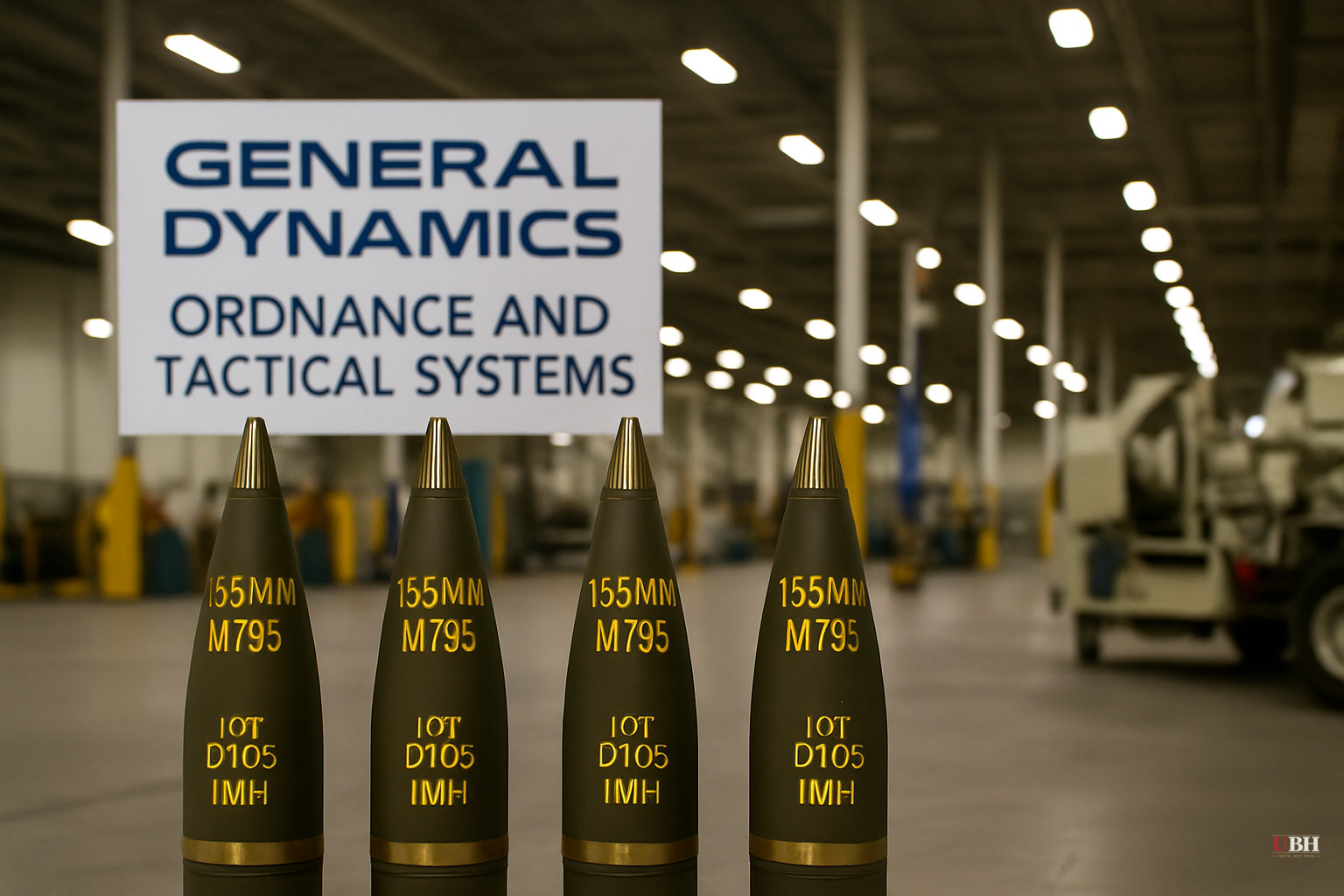
The Army set out to fix a real problem after Russia invaded Ukraine in 2022. Artillery use in that war burned through shells at a rate nobody in the Pentagon had planned for. The Army was making about 14,000 155mm rounds a month. Officials set a goal of ramping that up to just over 100,000 rounds a month by October 2025.
That deadline passed nine months ago. According to a new report from the Defense Department Inspector General, the Army as of March 2026 was producing only 36,000 rounds a month. That's 36 percent of the goal, more than five months past the original deadline.
The Texas Plant Problem
The IG report points to one facility in particular: a General Dynamics Ordnance and Tactical Systems plant in Mesquite, Texas. The Army paid $469 million for this facility. It officially opened in 2024. It was supposed to produce 30,000 projectile metal parts a month.
As of March 2026, according to the Inspector General, that number was zero. Not below target. Zero usable components since the doors opened.
The report is blunt about what that means for the broader goal. Without the Mesquite facility contributing, the Army can only reach 71,000 rounds per month at best, which the IG calculates as 71 percent of the original production target, even if every other facility hits its numbers.
Two of the three existing metal-parts production facilities also fell short of their individual goals, the report found. The one modest bright spot: the IG credited "expansion and modernization efforts" at both metal-parts and load-assemble-and-pack facilities for at least getting the Army from 14,000 to 36,000 rounds a month. That's real progress. It's also not close to what taxpayers were promised.
What the Pentagon Watchdog Warned
The Inspector General's language is not soft. The report warns the shortfall "could decrease the DoW's readiness and increase its risk of not meeting the operational needs of the United States, allies, and partner nations in potential future conflicts." DoW is the informal shorthand now used for the Department of Defense.
The Pentagon's own watchdog is saying American munitions stockpiles may not be ready if the U.S. or an ally needs them fast, whether that's Ukraine, Taiwan, or somewhere nobody's planning for yet.
General Dynamics' Response
A General Dynamics spokesperson told Breaking Defense the company has now reached an agreement with the Army that "includes additional GDOTS investment to complete the project." The spokesperson called it a "collaborative" effort aimed at getting the Mesquite facility "to deliver essential munitions to the US military."
That's a fair statement to take at face value. It suggests the company is not walking away from the plant and is putting more of its own money in to fix it. What the statement doesn't say is when the facility will actually produce a single usable round, or what went wrong in the two years since it opened.
The Army's Actual Plan Going Forward
Here's where it gets more complicated than "throw more money at it." An Army spokesperson did not directly answer questions about the new agreement with General Dynamics. Instead, the spokesperson pointed to remarks from Brent Ingraham, the head of Army acquisition, made back in May.
Ingraham said the Army is not planning to invest more in that production line. Instead, the plan is to consolidate from three production lines down to two, and target only 20,000 units a month rather than the original 30,000.
That's a scaled-down goal from a scaled-down commitment. It raises the obvious question: if the Army is walking back its own target for the Mesquite facility while General Dynamics says it's investing more to "complete the project," which one of those plans actually reflects what's going to happen on the ground in Texas?
The Fair Counterpoint
The Army did not start this ramp-up from nothing, and stood up new capacity that didn't exist before 2022. Going from 14,000 to 36,000 rounds a month is a real increase, not a rounding error, and modernization projects at munitions plants that had been neglected for decades don't happen overnight regardless of funding levels thrown at them.
The counterargument from defense hawks and some in the Army itself is that artillery production is genuinely hard to scale this fast. Industrial base atrophy took thirty years to create and won't reverse in three. That's a legitimate point. But a $469 million facility producing zero usable parts after two years isn't a scaling problem. It's a facility that hasn't worked yet, and the Inspector General's report doesn't identify a fixed date when it will.
What's Unresolved
The Inspector General's report does not say who is accountable for the Mesquite facility's failure to produce a single usable component in two years, nor does it detail what specifically went wrong at the plant. Neither the Army nor General Dynamics has said when Mesquite will produce its first contract-compliant round. Congress, which appropriated the funding for this expansion, has not yet said what oversight steps will follow the IG's findings.
Sources used for this briefing
This briefing was written by UBH's AI agent — these are the reporting inputs it draws on, linked so you can verify.


