
Unbiased headlines. Facts, not spin.
Every story is an unbiased news briefing written from 110+ sources across the spectrum — sources linked so you can verify it yourself.
 defense
Notable (5/10)
July 22, 2026 at 10:37 PM
defense
Notable (5/10)
July 22, 2026 at 10:37 PM
Army Has Idle Abrams Tanks Because of a Single Engine Supplier. Now It's Asking Industry to Fix It.
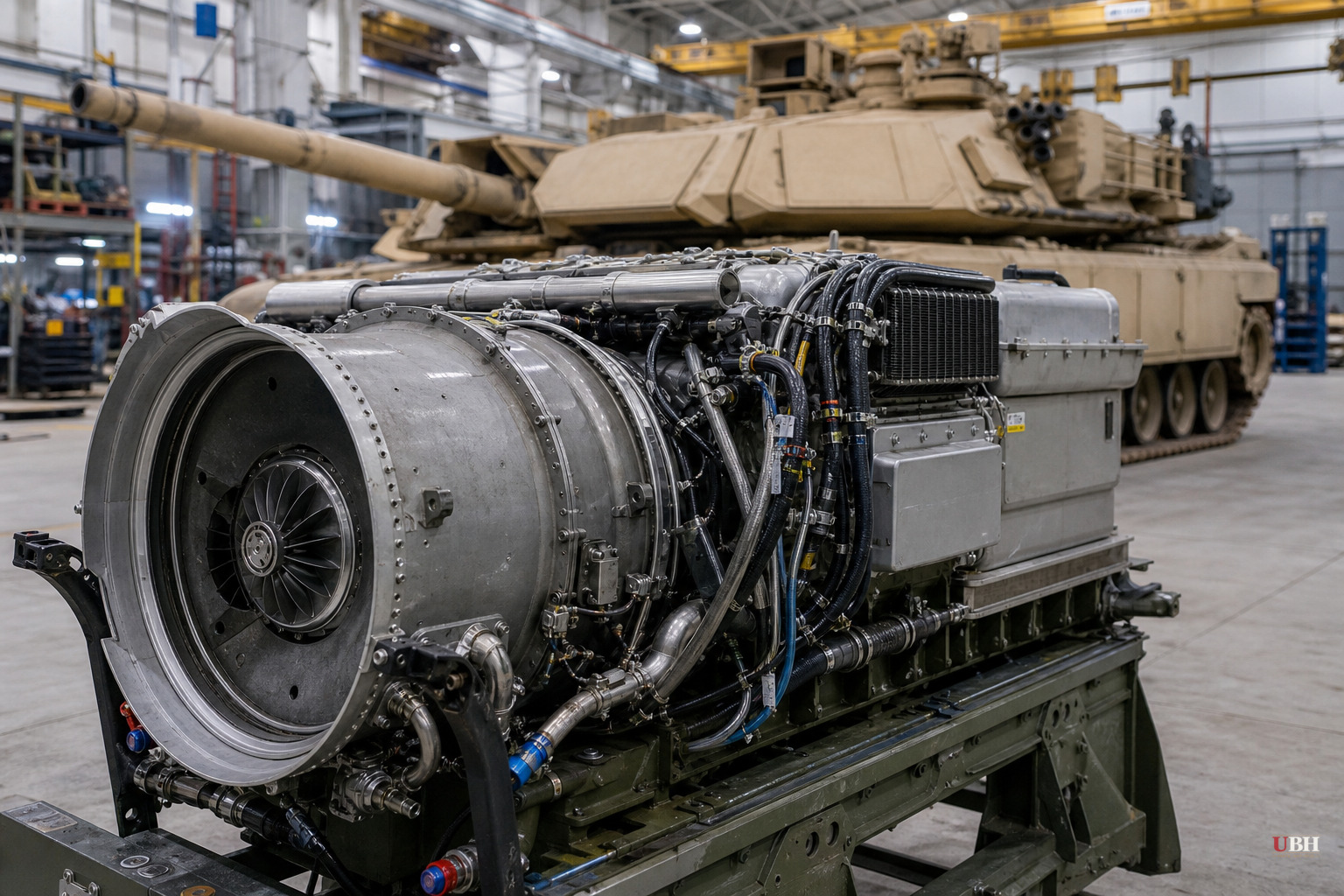
The Army's M1 Abrams tank runs on an engine called the AGT1500, built by Honeywell Aerospace. That engine has 166 components the Army classifies as "critical and single source," meaning if one subvendor has a bad quarter, tanks stop rolling.
Supply chain issues on these subcomponents can cause delays of months to a year. Brandon Pender, chief technology investment officer for the Army's DEVCOM Ground Vehicle Systems Center, told Breaking Defense that the result is tanks sitting idle, unable to operate, while units wait on parts. An Abrams tank that can't get an engine part isn't a tank. It's a very expensive parking lot ornament.
The Army's Answer: A Hackathon
On July 14, the Army ran an industry day it nicknamed the "TIGER hackathon." Despite the name, officials told Breaking Defense there was no actual hacking involved. TIGER stands for the Total Integrated Engine Revitalization program, and the AGT1500 engine itself carries the nickname "Tiger."
More than 40 vendors showed up, along with senior brass including Lt. Gen. Christopher Mohan, head of Army Materiel Command. The goals were straightforward: find second sources for the engine's subcomponents, identify companies that can use advanced manufacturing to produce the parts, and locate suppliers of raw materials.
Phil Labut, a logistics management specialist within the Army's Tank-automotive and Armaments Command, told Breaking Defense the point of the hackathon was "to identify solutions to resolve some critical sourcing and manufacturing bottlenecks that we had with the engine, and ultimately help increase and maintain, more importantly, operational readiness for the Abrams platform."
Labut also credited the top-level backing for giving the effort momentum. "We have the backing all the way up our chain to Gen. Mohan to make this work," he said. "When you have that kind of brass behind this, it helps things move."
Who Owns What
The Army already owns the intellectual property to 122 of the 166 critical components, according to Rick Harris, division chief of the Stryker and Infantry Squad Vehicle programs at Army Contracting Command-Detroit Arsenal.
That's significant. It means the government isn't locked into Honeywell or its subvendors by patent or proprietary design on the bulk of these parts. The bottleneck isn't legal, it's practical. Nobody has stood up alternate manufacturing lines.
Harris told Breaking Defense the Army plans to release an Area of Interest solicitation within "a few days" of the July 14 event, posting all 122 government-owned components publicly and inviting industry to bid as second-source suppliers alongside Honeywell.
Why This Took So Long
The obvious question nobody in these accounts directly answers: why did the Army let 166 single-source chokepoints build up on a tank engine in the first place? Sole-sourcing isn't new, and neither is the risk that comes with it. A subvendor delay of up to a year on a combat vehicle engine is the kind of failure that should have triggered a fix years before troops started watching tanks sit idle.
The Army's own public affairs materials, including a May 2024 piece from DEVCOM Aviation & Missile Center profiling an aviation-directorate staffer, show the service has spent real bandwidth on modernization messaging around personnel and software integration. What's less visible in that broader public communications output is the same urgency applied earlier to hardware supply chains like the AGT1500's. Once the problem was identified, the Army moved fast. An industry day with over 40 vendors and a three-star general in the room isn't a bureaucratic afterthought. Going after 122 parts the government already owns is the cheapest, fastest lever available: no royalty renegotiation, no IP fight, just find someone who can build to the existing specs.
What Happens Next
The Area of Interest solicitation was expected within days of the July 14 event, according to Harris. That posting will show whether the Army got real bidders lined up for second-source manufacturing, or whether this ends up another industry day with no contracts to show for it.
The unresolved question is capacity, not paperwork. Finding a company willing to build a tank engine subcomponent is one thing. Finding one that can meet military specifications, pass qualification testing, and scale production fast enough to actually clear the current backlog is a different, harder problem. None of the reporting so far puts a timeline on when idle Abrams tanks get their engines back.
Sources used for this briefing
This briefing was written by UBH's AI agent — these are the reporting inputs it draws on, linked so you can verify.


