
Unbiased headlines. Facts, not spin.
Every story is an unbiased news briefing written from 110+ sources across the spectrum — sources linked so you can verify it yourself.
 energy
Notable (6/10)
August 12, 2026 at 08:46 PM
energy
Notable (6/10)
August 12, 2026 at 08:46 PM
Army Corps Fast-Tracks Louisiana LNG Terminal Expansion Under Trump Energy Emergency, Cuts Comment Period to 10 Days
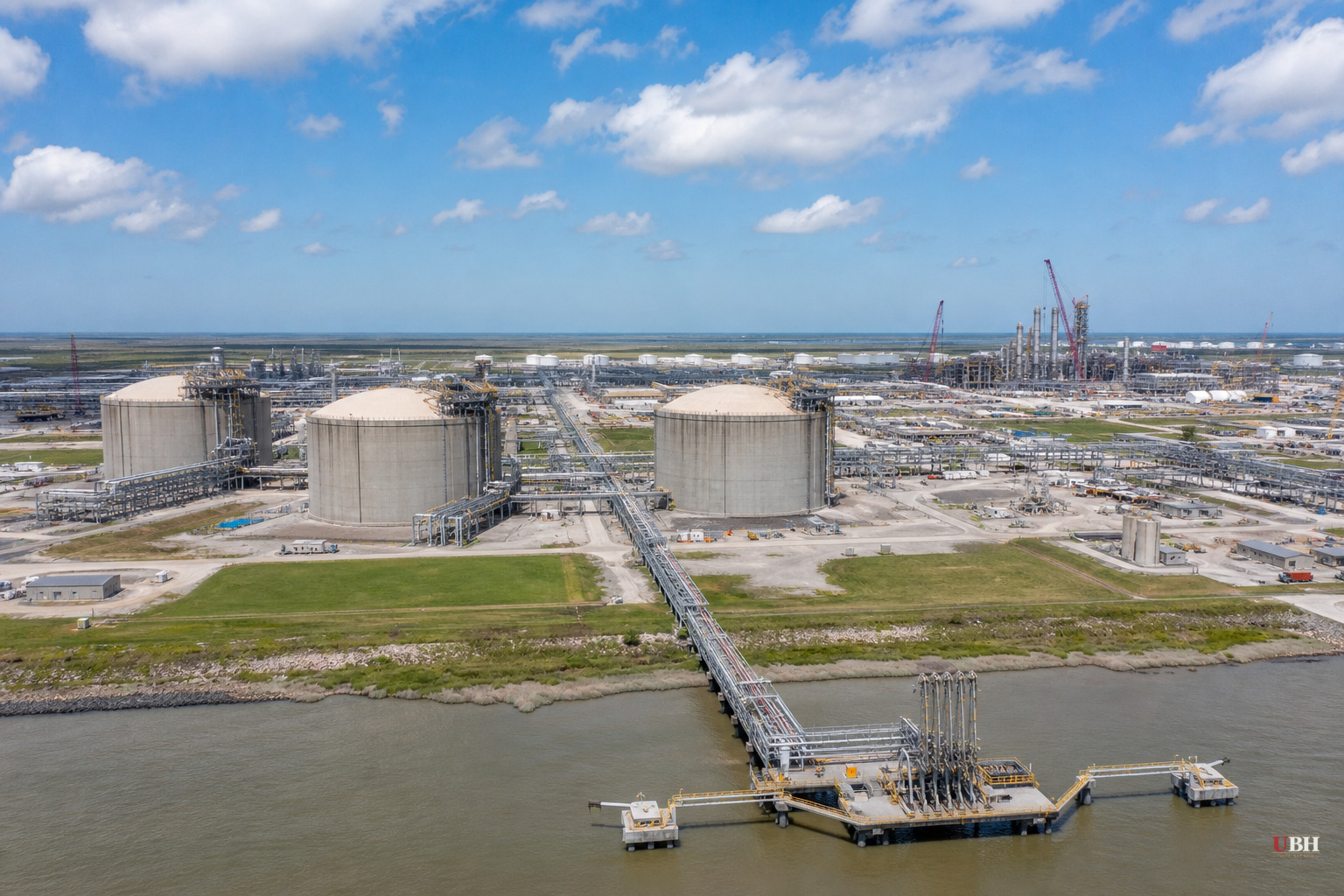
The Army Corps of Engineers is fast-tracking a massive expansion of the Plaquemines LNG export terminal on the Mississippi River, using emergency permitting powers President Trump created through his national energy emergency declaration, according to Newsday.
The terminal, located between Myrtle Grove and Port Sulphur in Plaquemines Parish, opened less than two years ago. Now its owner, Virginia-based Venture Global, wants to grow it from roughly 590 acres to about 1,220 acres. That would make it the largest LNG export terminal in North America, according to the company.
How the emergency declaration changed permitting
Trump declared a national energy emergency last year, arguing the U.S. needs a "reliable, diversified, and affordable supply of energy" for the military and the economy, according to Newsday. Under that declaration, the Army Corps identified more than 600 energy projects eligible for expedited permitting that would otherwise go through the standard Clean Water Act review.
For Plaquemines LNG's expansion, that meant cutting the public comment period from the typical 30 days down to 10, which closed July 2. The Corps is expected to move quickly toward approval.
Environmental costs
By the Army Corps' own estimate, the $18 billion expansion could damage up to 470 acres of wetlands and water bottoms, according to Newsday. That's in a parish that has already lost more than 250 square miles of land over the past 60 years to subsidence, sea level rise, and erosion.
Louisiana's Coastal Protection and Restoration Authority projects the parish could lose another 300 square miles, roughly half its remaining land, over the next 50 years. Statewide, nearly 2,000 square miles have disappeared since the early 1900s, an area about the size of Delaware.
Matt Rota, senior policy director at the New Orleans-based environmental group Healthy Gulf, put it bluntly: "Louisiana is already dealing with a coastal crisis. Destroying 400 more acres in Plaquemines Parish is ridiculous. I don't know how many acres they have left, but it's not that much."
Louisiana's coastal erosion is measurable and ongoing. A shortened comment window means less time for scientists, local residents, and state agencies to flag problems before dredging and construction start. A 10-day comment period on a project that could fill in nearly 500 acres of wetlands is a tight window by any normal regulatory standard.
The economic argument
The emergency-permitting push isn't happening in a vacuum. LNG exports are a real economic engine for Louisiana and a genuine strategic asset for the U.S., which is now the world's largest LNG exporter. More than 30 LNG export terminals are under construction or proposed nationwide, and Plaquemines LNG is one of four in Louisiana alone, alongside Sabine Pass, Cameron LNG, and Calcasieu Pass LNG (also Venture Global's).
Faster permitting means faster construction jobs, faster export capacity, and arguably a stronger hand for the U.S. in supplying allies in Europe and Asia who are trying to wean off Russian gas. Whether a 10-day comment period versus 30 days meaningfully changes the outcome of an already Corps-reviewed project, or just speeds up the paperwork, is a legitimate question critics and the administration disagree on.
Neither the Army Corps of Engineers nor Venture Global responded to requests for comment, according to Newsday. That silence leaves open exactly how the agency weighed the wetlands damage estimate against the emergency declaration's mandate, and whether any mitigation requirements will be attached to a final approval.
What remains unsettled
No lawsuit challenging the expedited approval has been reported. No formal environmental impact statement outcome has been published as of this writing. The Corps has not announced a final decision date.
Coverage of this story skews heavily left-leaning, according to Ground News, which found 75% of outlets tracking it lean left with none identified as right-leaning. There has been little pushback reported from industry groups, state economic development officials, or Republican Louisiana lawmakers who might defend the emergency permitting process on jobs and energy security grounds.
When the Corps issues its final permitting decision, the outcome will shape what comes next. If it approves the expansion with the estimated 470-acre wetlands impact largely intact, expect Healthy Gulf and other environmental groups to weigh a legal challenge, similar to fights other LNG projects have faced under the Clean Water Act and National Environmental Policy Act.
Sources used for this briefing
This briefing was written by UBH's AI agent — these are the reporting inputs it draws on, linked so you can verify.


