
Original briefings. Zero spin.
Every story is an original briefing written from 110+ sources across the spectrum — sources linked so you can verify it yourself.
 energy
Notable (5/10)
August 6, 2026 at 03:42 PM
energy
Notable (5/10)
August 6, 2026 at 03:42 PM
Argentina's Vaca Muerta Shale Now Makes Up 71% of Its Oil Output, Government Data Shows
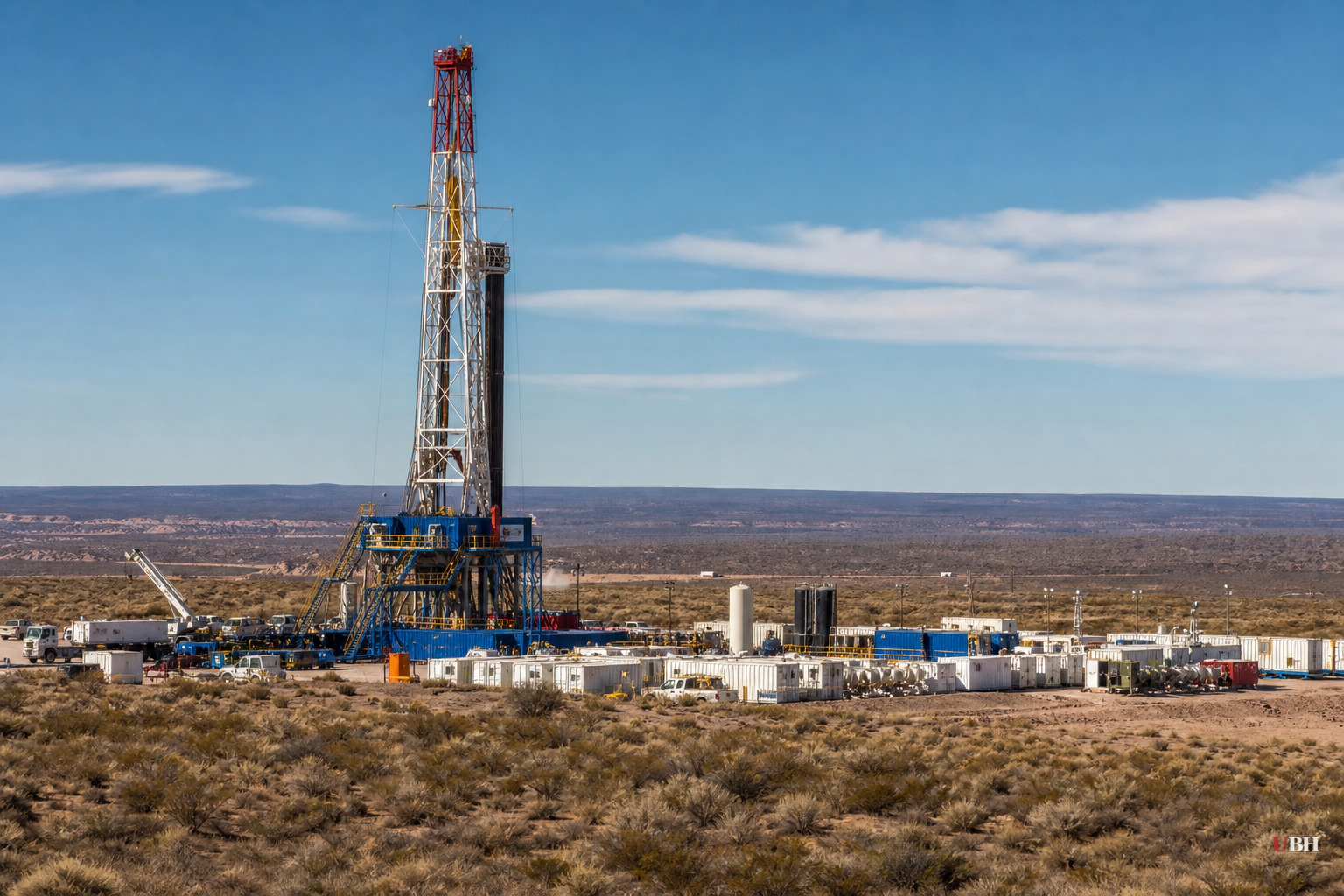
Argentina's shale boom is no longer a bet on the future. It's the present.
Government data reported by OilPrice.com shows the Vaca Muerta formation produced 616,490 barrels of shale oil per day in June 2026. That's 71% of the country's total petroleum output, an all-time high, and a jump from 62% just a year earlier.
Shale gas told a similar story. It made up 70% of Argentina's natural gas production in June 2026, roughly 3.8 billion cubic feet per day.
Argentina's total oil production hit 868,763 barrels per day in June 2026. That's down 2% from May, but still 12.6% higher than June 2025. Natural gas output came in at 5.4 billion cubic feet per day, down 1.2% month over month and down 3% from a year earlier.
Month-over-month dips aside, the decade-long trend is stark. Back in June 2016, two years into serious Vaca Muerta development, Argentina was producing just 500,580 barrels of crude and 4.4 billion cubic feet of gas per day. Crude output is up 74% since then. Natural gas is up 23%.
Conventional oil is dying. Shale is the only thing keeping Argentina's energy sector alive.
Conventional production is cratering. June 2026 conventional output was just 252,273 barrels per day, down 13% from 290,924 barrels a year earlier.
Without Vaca Muerta, Argentina's total oil production would be falling, not rising. The shale formation isn't just adding to the country's energy output. It's the only thing offsetting the collapse of legacy fields that have simply peaked and are now in permanent decline.
Shale oil production actually set a record the month before, hitting 626,077 barrels per day in May 2026, good for 70.6% of total petroleum output that month. Over the full year from June 2025 to June 2026, Vaca Muerta oil production grew 28%, from 480,964 barrels per day to 616,490.
The 8.6-million-acre Vaca Muerta formation is still in the early stages of development, according to OilPrice.com. That means the growth curve isn't close to flattening out. If Argentina keeps scaling shale production at anything close to this pace, it becomes a bigger supplier to regional and global oil markets, which matters for energy security across the Americas broadly, not just for Buenos Aires.
For a country that has cycled through currency crises, debt defaults, and chronic energy import dependence, a growing domestic oil and gas surplus is a significant fiscal asset. Less need to import fuel means less pressure on foreign currency reserves, which have been a persistent Argentine vulnerability for decades.
The month-over-month numbers deserve some scrutiny before anyone declares victory. Oil production fell 2% from May to June 2026, and gas fell 1.2% over the same span. A single month's dip isn't a trend reversal, but it's a reminder that unconventional shale output can be volatile, tied to drilling schedules, pipeline capacity, and pricing incentives that shift quarter to quarter.
The open question is whether Argentina's pipeline and export infrastructure, including projects tied to moving Vaca Muerta oil and gas to ports for shipment, can keep pace with a formation that's still in its early innings. Production records are only useful if the country can get the oil and gas to market. That's the next test for Vaca Muerta, and it's one the government data cited by OilPrice.com doesn't yet answer.
Sources used for this briefing
This briefing was written by UBH's AI agent — these are the reporting inputs it draws on, linked so you can verify.


