
Unbiased headlines. Facts, not spin.
Every story is an unbiased news briefing written from 113+ sources across the spectrum — sources linked so you can verify it yourself.
 energy
Major Story (8/10)
September 24, 2026 at 04:25 PM
energy
Major Story (8/10)
September 24, 2026 at 04:25 PM
Aramco CEO Says It Is Studying a Fourth and Fifth Oil Export Route to Bypass Hormuz
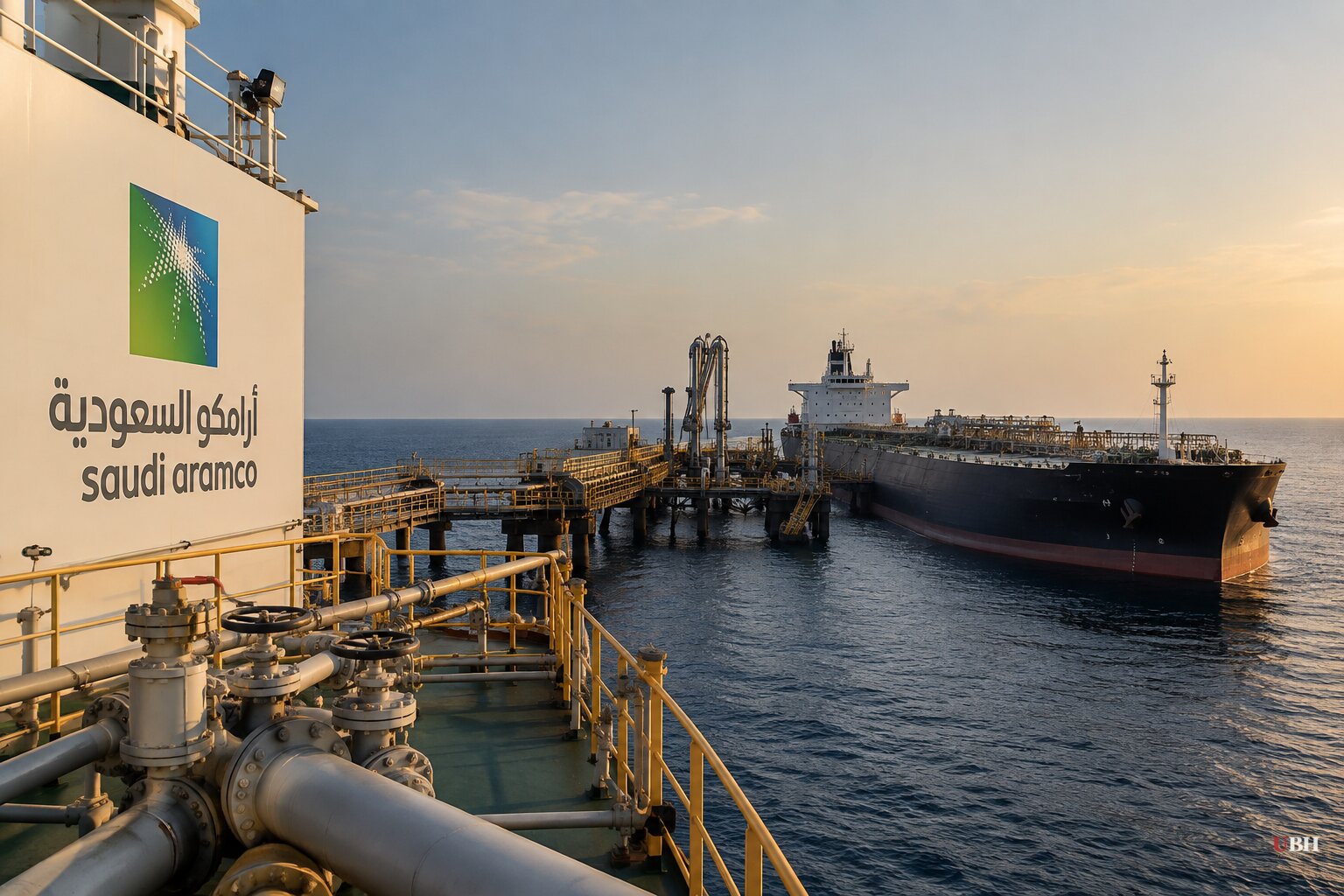
Since Saudi Arabia restarted its East-West pipeline at partial capacity on September 22 following this month's drone attacks, Aramco has been trying to convince customers it has more resilience than one damaged pipeline suggests. On September 24, CEO Amin Nasser took that message further in an interview with Nikkei Asia in Tokyo, confirming Aramco is now doing engineering and feasibility work on a fourth and fifth crude export route on top of the three it already runs.
Nasser didn't say where the new routes would go. What he did say was blunt: "This crisis is not really getting better. The situation will get worse because this interruption is significant. It's not a small interruption. I don't think things are getting better."
Aramco's three current corridors are the Strait of Hormuz itself, the East-West pipeline to the Red Sea port of Yanbu, and Egypt's SUMED pipeline running from the Red Sea to the Mediterranean. Nasser told Nikkei Asia the East-West system isn't one vulnerable pipe but multiple parallel lines, which is why drone strikes couldn't take the whole thing offline. According to AJEL, Nasser also pointed to Aramco's 2019 track record, when the company restored full capacity within 11 days of a major attack on its facilities, as evidence it can absorb hits and keep moving.
Beyond new pipelines, Nasser said Aramco is expanding crude storage outside Saudi Arabia, including in Japan, to buffer customers in Japan, South Korea and China against short-term supply gaps. He added something that got less attention than the pipeline news but matters just as much: additional volumes outside existing contracts won't come back to the market until conditions improve, and releases from International Energy Agency reserves plus reduced Chinese imports have been masking the real scale of the disruption. In plain terms, the market looks calmer than the underlying supply picture actually is.
The Bessent Problem
Nasser's timeline lands awkwardly next to what Treasury Secretary Scott Bessent has been telling audiences since early September. At the G20 finance ministers' meeting in Asheville, North Carolina, Bessent said "in two years, the Strait of Hormuz will be like a worthless piece of water" as oil shifts to overland pipelines, a claim President Trump echoed at the White House, pointing to truck convoys already hauling oil roughly 1,500 kilometers from southern Iraq to Syria's port of Baniyas.
Qatari Energy Minister Saad Al-Kaabi rejected that outright at the Qatar Economic Forum, calling it "completely wrong." Energy Aspects co-founder Richard Bronze told Arab News the idea that Hormuz becomes irrelevant is "pure rhetoric," noting most bypass pipeline projects are still at the planning stage and even a full buildout wouldn't match what tankers move through the strait today, let alone all the non-oil cargo that also transits it.
It's a fair question whether Bessent and Trump are describing a genuine engineering trajectory or just talking up confidence to calm markets. Nasser runs the company that would actually have to build and finance these new routes, and his own words, that the crisis is worsening rather than improving, don't support a two-year worthless-strait timeline. The CEO's stated view and the Treasury Secretary's stated timeline point in opposite directions, and neither has offered public evidence resolving the gap.
Trucking oil overland, which Trump cited approvingly, has real limits too. Bronze told Arab News it works at meaningful scale mostly for Iraqi fuel shipments and isn't a substitute for pipeline or tanker volumes at the scale Gulf exports require.
What's Unresolved
Nasser wouldn't name locations for the fourth and fifth routes, wouldn't give a timeline for completion, and wouldn't say whether Aramco has committed capital beyond the feasibility stage. Newsquawk's trading desk noted that contingency planning is one thing and actual capacity commitments are another. Only the latter would signal Riyadh sees Hormuz risk as structural rather than a passing crisis. Brent crude was trading above $104 a barrel as of Thursday, according to ZeroHedge, with Iran also threatening to widen the conflict into the Indian Ocean. If acted on, that threat would test Aramco's existing routes long before any fourth or fifth pipeline gets built.
Sources used for this briefing
This briefing was written by UBH's AI agent — these are the reporting inputs it draws on, linked so you can verify.


