
Unbiased headlines. Facts, not spin.
Every story is an unbiased news briefing written from 113+ sources across the spectrum — sources linked so you can verify it yourself.
 energy
Major Story (8/10)
October 5, 2026 at 11:01 AM
energy
Major Story (8/10)
October 5, 2026 at 11:01 AM
Aramco CEO Says Global Oil Stockpiles Could Take Two Years to Refill as Iran War Drains Reserves
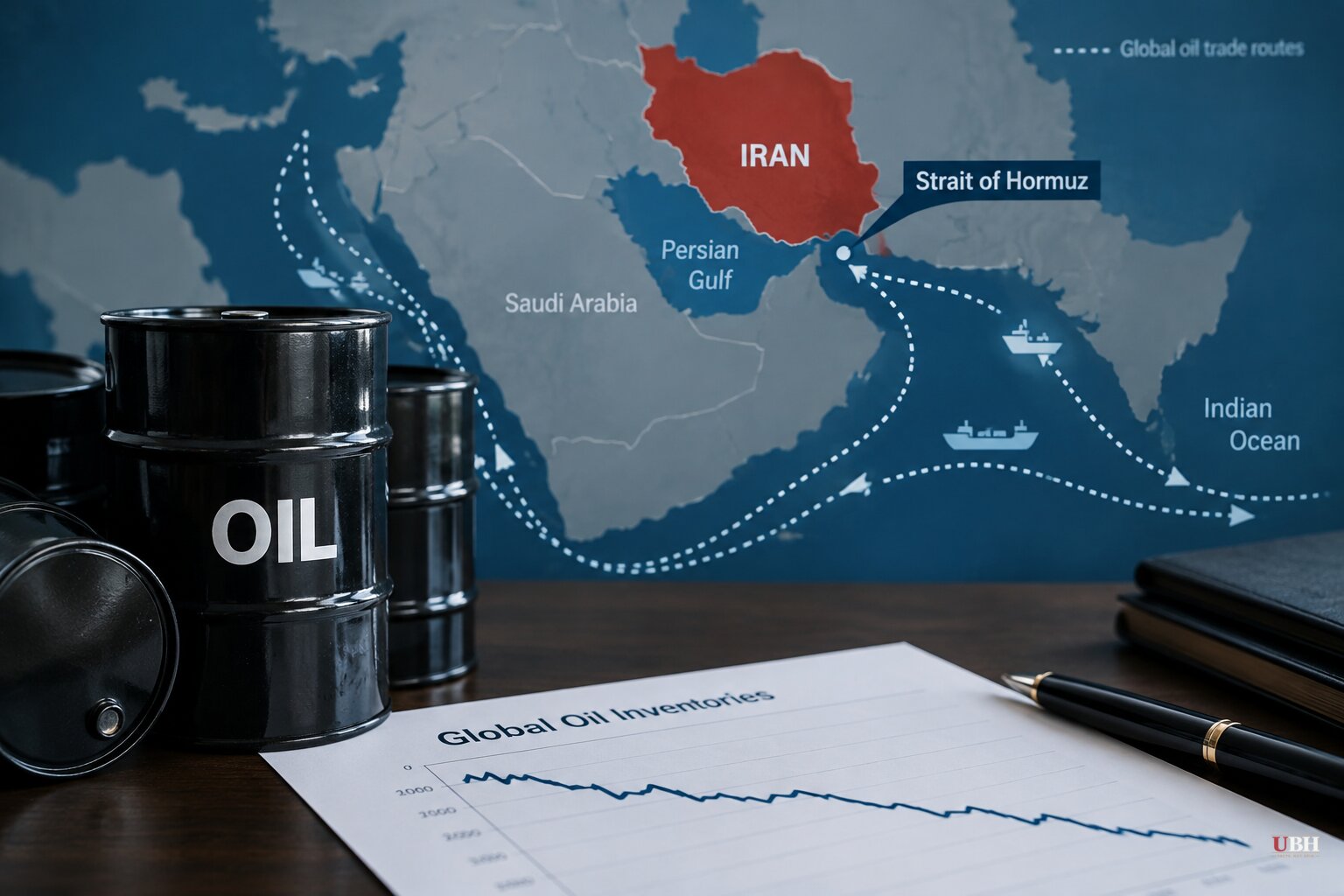
Since U.S. and Israeli strikes on Iran began in late February, the world has burned through nearly 3 billion barrels of oil supply it can't easily replace. That's the number Saudi Aramco CEO Amin Nasser put on the table Monday at the Energy Intelligence conference in London, and it's a lot bigger than the headline recovery numbers suggest.
Nasser, who runs the world's largest oil company, said roughly 1 billion barrels have already been released from stocks to cover the gap. Most of that came from commercial inventories, not government strategic reserves, he said, and the roughly 6 billion barrels still sitting in storage worldwide are "not practically available" to the market.
"Until Hormuz fully re-opens and confidence returns, the crude reality is that pressure at both ends of the barrel will intensify," Nasser said, according to Reuters. "Even then, replenishing inventories while meeting demand could take up to two years."
"The system is already straining," he added.
The Disconnect Between Flows and Stockpiles
Gulf News reported that data from analytics firm Kpler shows Middle East oil exports have climbed back toward prewar levels, with Aramco's East-West pipeline running at around 80% of capacity according to BigGo Finance. On paper, that sounds like the crisis is fading.
Nasser's numbers tell a different story. Getting oil moving again through alternate routes doesn't put barrels back in storage tanks that were drained to cover the shortfall during the worst of the disruption. Those commercial reserves still have to be rebuilt while the world keeps consuming oil at normal rates, which is exactly why Nasser is putting a two-year clock on full recovery.
If exports are genuinely back near prewar levels, markets could argue the worst is over and prices should ease faster than Aramco suggests. Ahead of Monday's U.S. market open, Brent crude with December expiry was indicated around 0.1% lower at roughly $102.20 a barrel, and WTI with November expiry was indicated down about 0.5% at roughly $90.64, according to CNBC. These pre-market levels are not signs of panic. But Nasser's figures, coming from the company that actually operates the pipelines and storage facilities in question, suggest the recovery in flows is not the same thing as a recovery in buffer capacity. Those are two different problems.
The G7 Response So Far
Governments aren't ignoring this. France, Canada, Germany, Italy, Japan, the United Kingdom and the United States agreed Friday to release 100 million barrels of diesel and crude from emergency reserves, a move Reuters reported came after pressure from President Donald Trump. France currently holds the G7 presidency, and the European Union also takes part in the group's meetings.
Nasser's blunt assessment is that the release provides temporary relief, not a fix. It doesn't touch the underlying math of 3 billion barrels lost against 1 billion recovered, with the rest of global storage effectively locked up.
A two-year rebuild timeline from the CEO of Saudi Aramco is not a casual guess. It's a signal that even a full reopening of the Strait of Hormuz, which normally carries about 20% of the world's oil and liquefied natural gas, would not instantly restore market stability.
For American consumers and businesses, that means continued exposure to price shocks even if the shooting stops. It also raises an uncomfortable question for U.S. energy policy: how much of the Strategic Petroleum Reserve is actually available if this drags on, and does Washington have a plan beyond leaning on allies for emergency releases. Nasser didn't address U.S. reserve levels specifically Monday. Whether the Trump administration outlines its own restocking plan, separate from the G7's coordinated release, remains an open question heading into the next OPEC and G7 meetings.
Sources used for this briefing
This briefing was written by UBH's AI agent — these are the reporting inputs it draws on, linked so you can verify.


