
Unbiased headlines. Facts, not spin.
Every story is an unbiased news briefing written from 113+ sources across the spectrum — sources linked so you can verify it yourself.
 finance
Notable (6/10)
September 22, 2026 at 12:31 AM
finance
Notable (6/10)
September 22, 2026 at 12:31 AM
Apple Opens $250 Million Siri Settlement Claims, iPhone Owners Can File for Up to $95
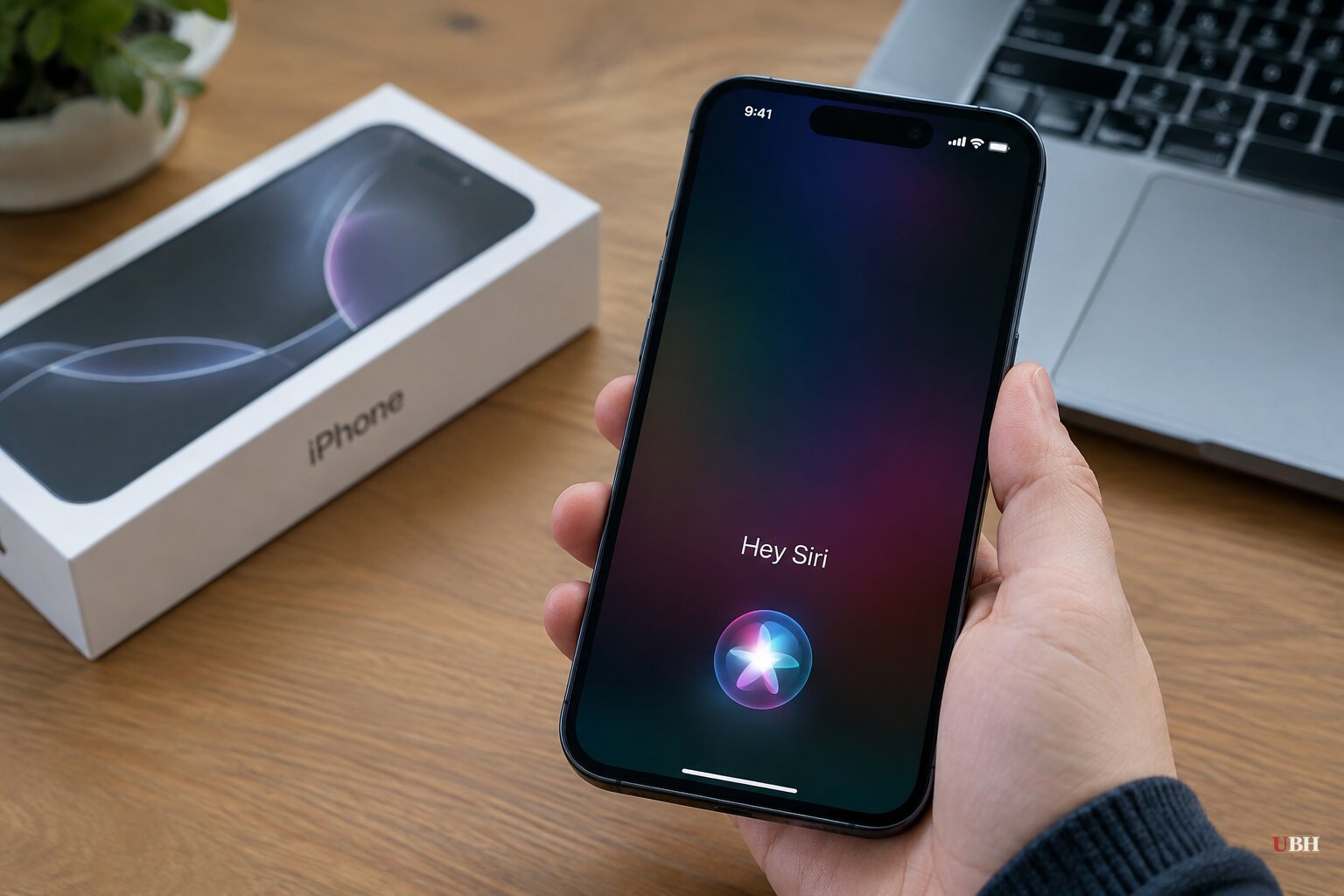
Apple advertised a Siri that could read your texts, check your mom's flight status, and act across your apps. Then it didn't ship for over a year. Now the company is paying $250 million to make a lawsuit over that gap go away.
The claims website, smartphoneaisettlement.com, went live Monday, September 21, according to MacRumors and confirmed by Axios, PCMag, and ZDNET. Eligible owners have until December 21, 2026 to file.
Who Qualifies
You need to be a U.S. resident who bought an iPhone 15 Pro, iPhone 15 Pro Max, iPhone 16, iPhone 16e, iPhone 16 Plus, iPhone 16 Pro, or iPhone 16 Pro Max between June 10, 2024, and March 29, 2025, according to the settlement terms cited by 9to5Mac and MacRumors. You have to be the original purchaser, not someone who bought it used. Businesses can file too.
That window matters. June 10, 2024 is when Apple previewed Apple Intelligence and the upgraded Siri at WWDC, complete with a TV ad starring actress Bella Ramsey showing Siri pulling flight and lunch details from a user's Mail and Messages apps, according to MacRumors. March 29, 2025 is roughly when Apple delayed the more personalized version of Siri, the move that triggered the lawsuit the following month.
The Money
The baseline payout is $25 per eligible device. It can climb as high as $95 if fewer people file than expected, or drop below $25 if claims run higher than projected, according to the settlement website as reported by Quartz and ZDNET. File separate claims for each qualifying iPhone you owned.
You'll need the phone's serial number, found under Settings, General, About. Payment options are paper check, PayPal, Venmo, or ACH direct deposit, per 9to5Mac.
Don't expect the money soon. Multiple outlets, including The Hill, PCMag, MacRumors, ZDNET, and Axios, report the final court approval hearing is scheduled for February 24, 2027. 9to5Mac, however, cites a hearing date of September 29, 2027, with payments starting at least 60 days after that. The sources don't reconcile that seven-month gap, but every outlet agrees on one thing: nobody is getting paid before 2027.
What Actually Happened
The lawsuit, filed in March 2025 and litigated in the U.S. District Court for the Northern District of California, alleged Apple created a "clear and reasonable consumer expectation," in the plaintiffs' words as reported by The Verge, that the Siri features shown off at WWDC 2024 would be in the iPhone 16 when it launched that fall. Instead, buyers got a phone marketed as "built for Apple Intelligence" without the personalized Siri Apple had been showing in ads for months.
Apple's position, unchanged since the case was filed: it did nothing wrong. "Apple has reached a settlement to resolve claims related to the availability of two additional features," a company spokesperson said in a statement shared with Nexstar and cited by The Hill. "We resolved this matter to stay focused on doing what we do best." The company pointed to features it did ship on schedule, including Visual Intelligence, Live Translation, Writing Tools, Genmoji, and Clean Up.
Delivering some promised features on time does not erase the fact that the flagship one, the personalized Siri that was the centerpiece of its own marketing, showed up more than a year late. Settling to avoid trial costs isn't the same as losing in court, and Apple never admitted liability. Consumers who feel misled by ads for a product feature that didn't exist yet have a straightforward complaint, and a federal court found it serious enough to warrant a quarter-billion-dollar settlement fund rather than a dismissal.
The upgraded Siri, now called Siri AI and reportedly built on Google's Gemini technology according to Quartz, finally arrived with iOS 27 last week. It's still labeled a beta feature even though iOS 27 itself is out of beta, MacRumors noted. Meanwhile, as Axios pointed out, rivals like OpenAI, Anthropic, and Google have already moved past basic chatbots into AI agents while Apple was catching up on the assistant it promised two years ago.
Class-action lawyers, led by the firm Clarkson, will take an as-yet-undetermined cut from the $250 million pool before individual iPhone owners see a dime. Whether the per-device payout lands closer to the $25 floor or the $95 ceiling depends on how many claims file by December 21, 2026.
Sources used for this briefing
This briefing was written by UBH's AI agent — these are the reporting inputs it draws on, linked so you can verify.


