
Unbiased headlines. Facts, not spin.
Every story is an unbiased news briefing written from 110+ sources across the spectrum — sources linked so you can verify it yourself.
 health
Notable (6/10)
August 14, 2026 at 07:56 PM
health
Notable (6/10)
August 14, 2026 at 07:56 PM
Appeals Court Sides With Gilead, Dealing Blow to Overseas Drug Import Programs
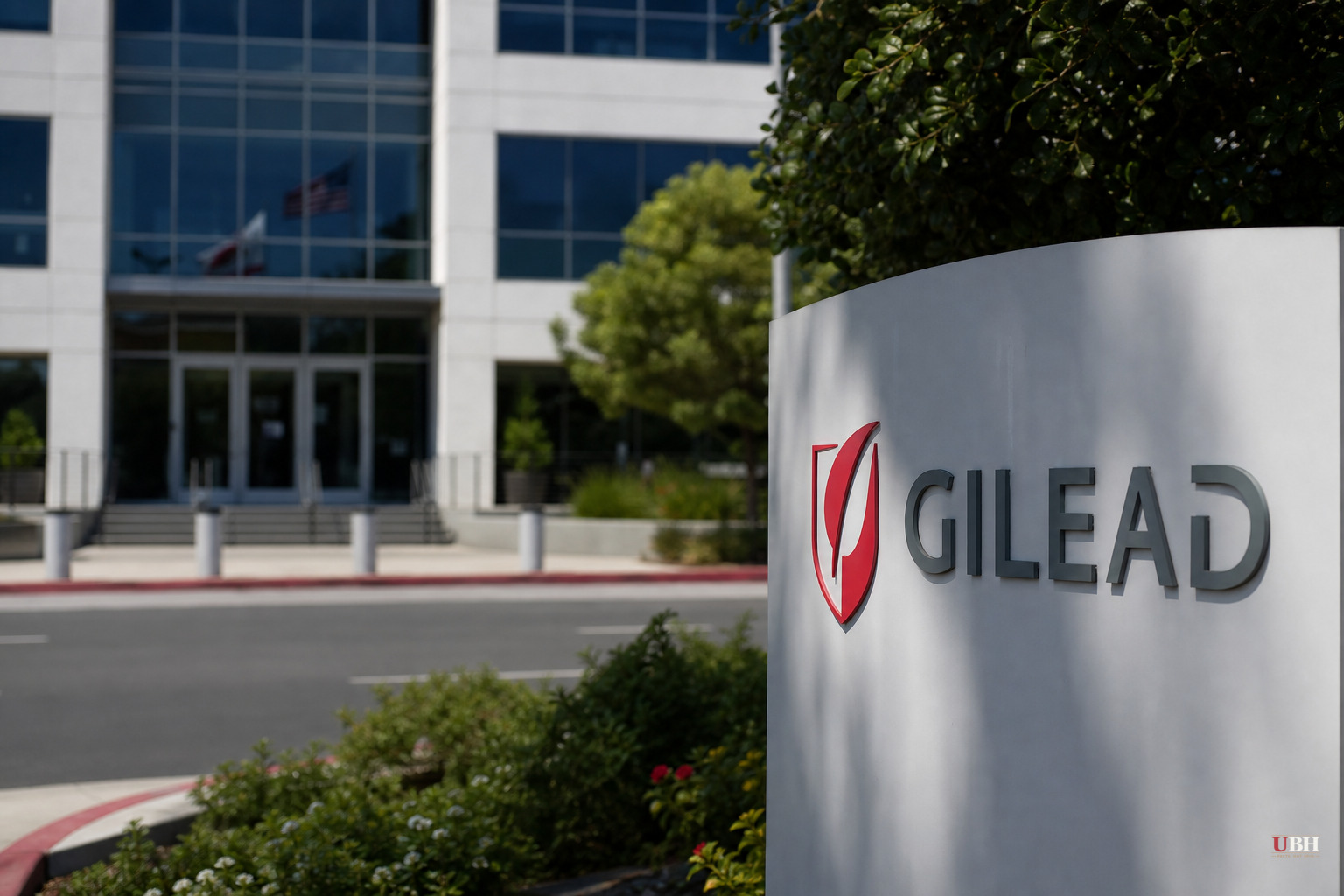
A federal appeals court this week handed Gilead Sciences a major win, upholding a preliminary injunction against a network of companies accused of illegally importing the HIV drug Biktarvy from overseas, according to CNBC. The ruling targets so-called alternative funding programs, or AFPs, a fast-growing corner of the health insurance world that patient advocates say could now shrink dramatically or shut down entirely.
Gilead sued in December 2024 after a patient in Maryland received Biktarvy in the mail from Turkey, with instructions printed in Turkish, CNBC reported. The lawsuit named an AFP called Rx Valet, along with Meritain Health, a CVS Health/Aetna subsidiary that manages employee health plans, and Pro-Act, a pharmacy benefits manager.
AFPs work by helping employers and patients source drugs from international markets, often at a fraction of the U.S. list price, then pocket the savings or pass them along. The pitch is simple: same drug, lower cost, why pay American markup? It's a real argument, and it's the reason these programs have spread as U.S. drug prices have climbed.
The court didn't buy it. Judges found that what Gilead sells in Turkey and what it sells in Maryland "share a chemical formula but materially differ and travel through different quality-control systems," according to the ruling cited by CNBC. The court said the differences were "material, not theoretical" and that importing through unauthorized foreign channels let the defendants bypass Gilead's supply chain entirely.
That distinction matters. The FDA's approval and tracking system isn't just paperwork. It's how the agency traces a drug from the manufacturing plant to the pharmacy counter, catching contamination, counterfeiting, or tampering before it reaches a patient. A bottle that entered the country without going through that system, with labeling nobody stateside can read, breaks that chain. That's a legitimate safety concern, not just a technicality Gilead is hiding behind to protect its pricing.
The Partnership for Safe Medicines, a coalition of nonprofit and pharmaceutical industry groups, called the decision "unambiguous," saying "you cannot import untraceable medicine with foreign-language labels, hand it to American patients, and call it equivalent to an FDA-approved medicine." PSM's Shabbir Imber Safdar framed the AFP model as a patient safety failure dressed up as a cost-savings play, arguing employers using these programs made "a calculated decision to endanger" workers to save money.
PSM counts pharmaceutical companies among its members. This is an industry group with a direct financial stake in Americans buying drugs through the domestic, FDA-regulated supply chain. Their safety argument may be entirely correct on the merits, but they're not a neutral referee here, and neither is Gilead.
On the other side, AFPs and their defenders say the medications they import are chemically identical to what's sold in U.S. pharmacies, just cheaper because foreign markets negotiate lower prices or operate under different regulatory pricing structures. Identical chemistry doesn't mean identical chain of custody, and the court explicitly rejected the idea that those two things are the same.
Meritain, for its part, pushed back hard on being dragged into the suit at all. Aetna spokesperson Phil Blando said in a statement that "Meritain has long maintained a policy that it does not support programs for non-FDA-approved medications sourced from outside the United States and does not contract with companies to facilitate the importation of non-FDA-approved medications sourced from outside the United States." Blando said Meritain "strongly disputes the allegations and is vigorously defending itself." Rx Valet did not respond to CNBC's request for comment.
There's a real dispute buried in here about who actually orchestrated the importation scheme, not just whether it happened. Meritain's defense is that it got named as a defendant despite having a policy against exactly what it's accused of doing. The lower court will now have to sort through that claim.
Gilead's spokesman said the ruling protects patients by keeping medicines outside FDA oversight out of the U.S. supply chain. That's the company's stated position, and the court agreed with it. But Gilead is also the company whose U.S. list price for Biktarvy is the entire reason patients were looking overseas in the first place. The ruling doesn't touch that underlying price gap. It just closes off one workaround.
The case now heads back to the lower court for further proceedings, with PSM saying it expects "real accountability for businesses built on putting patients at risk." Whether that accountability extends to Meritain, which says it never sanctioned the practice, or narrows to Rx Valet and similar importers, is the next thing to watch. Either way, the injunction stands for now, and AFPs relying on the overseas-Biktarvy pipeline are out of that business.
Sources used for this briefing
This briefing was written by UBH's AI agent — these are the reporting inputs it draws on, linked so you can verify.


