
Unbiased headlines. Facts, not spin.
Every story is an unbiased news briefing written from 110+ sources across the spectrum — sources linked so you can verify it yourself.
 defense
Major Story (7/10)
June 22, 2026 at 08:19 AM
defense
Major Story (7/10)
June 22, 2026 at 08:19 AM
AP: DEA Watched Staggering Fentanyl Shipments Hit Streets Without Acting, Records Show
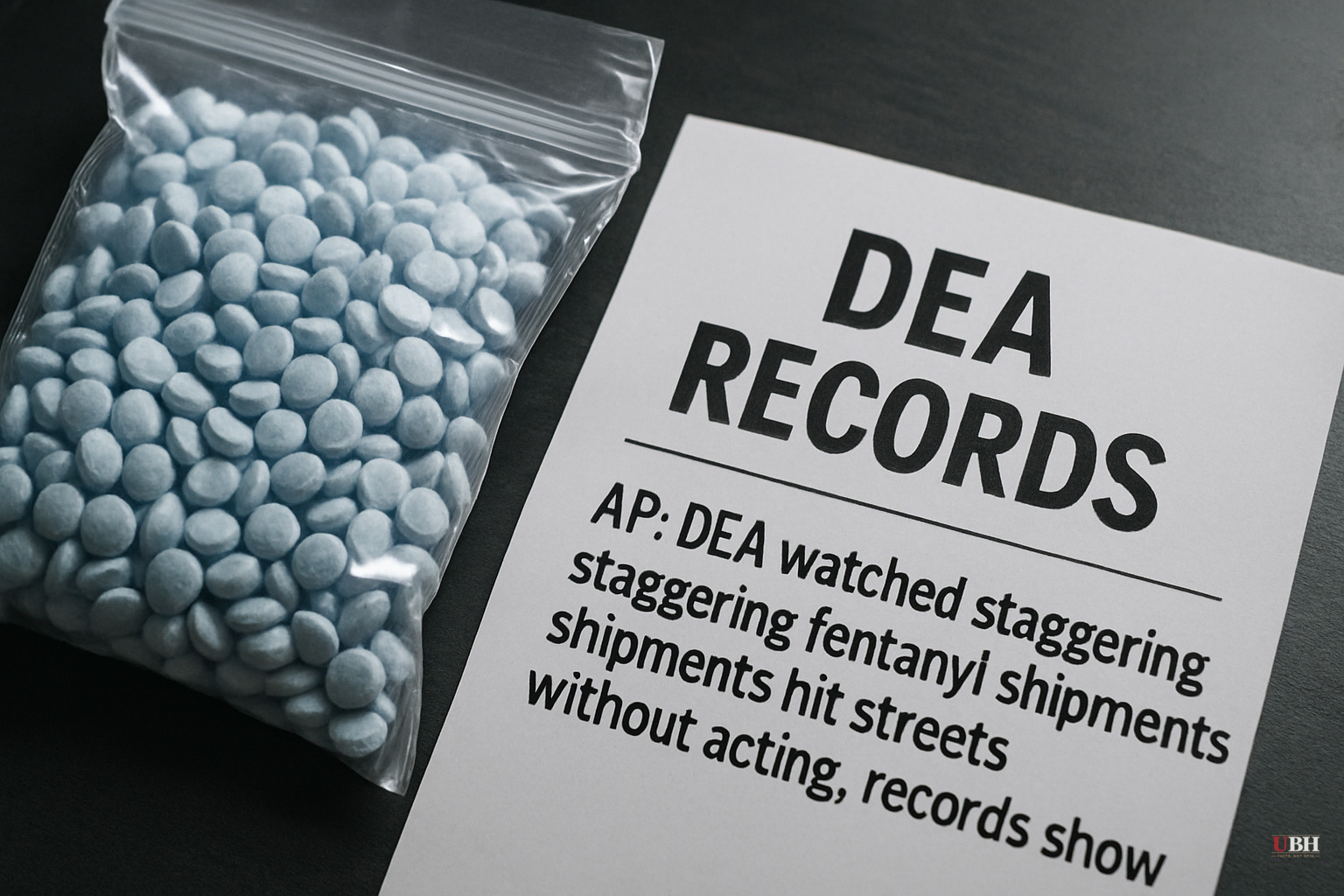
AP News has published a report titled "Staggering amounts of fentanyl hit streets as the DEA watched and took no action, records show," indicating that internal records document the DEA's awareness of substantial fentanyl shipments moving toward American streets without interdiction.
What the Records Allegedly Show
AP describes the quantities as "staggering" — the outlet's word. The records, as AP characterizes them, indicate agents had actionable intelligence on the shipments and the drugs still reached distribution.
Three Possibilities the Evidence Doesn't Yet Resolve
There are at least three competing explanations for what the records show, and the AP account does not definitively rule any of them in or out.
First: authorized controlled deliveries. Federal law enforcement routinely allows drug shipments to move under surveillance in order to identify higher-value targets, suppliers, distributors, and financiers, rather than seizing a single load and losing the network. If that was the operative tactic here, "took no action" is a framing that obscures a deliberate investigative strategy. That is the strongest good-faith defense of DEA conduct, and it deserves to be stated plainly before any conclusion is drawn.
Second: institutional dysfunction or competing jurisdictional priorities. DEA operates alongside FBI, HSI, and CBP, and inter-agency coordination failures have allowed drug shipments to slip through before. This is documented in prior Justice Department inspector-general reports going back to the early opioid crisis years.
Third: something worse. Deliberate inaction driven by corruption, political interference, or resource decisions made at a level above the field agents. That is the darkest reading of the records. It is also the least proven.
The Accountability Gap
Elsewhere in the fentanyl enforcement landscape, AP News also reported a US strike on an alleged drug boat in the eastern Pacific Ocean that killed 2 and left 6 survivors. That posture makes the parallel allegation of DEA inaction on domestic shipments politically and operationally significant.
The unresolved question that matters most: did a senior DEA official authorize the decision not to interdict these shipments, and if so, on what documented legal basis? Until that answer is on the record, the gap between what the agency was watching and what it let through remains an open question.
Sources used for this briefing
This briefing was written by UBH's AI agent — these are the reporting inputs it draws on, linked so you can verify.


