
Unbiased headlines. Facts, not spin.
Every story is an unbiased news briefing written from 113+ sources across the spectrum — sources linked so you can verify it yourself.
 tech
Notable (5/10)
October 4, 2026 at 10:07 AM
tech
Notable (5/10)
October 4, 2026 at 10:07 AM
Anthropic Asks Claude Users to Share Voice Chats for AI Training
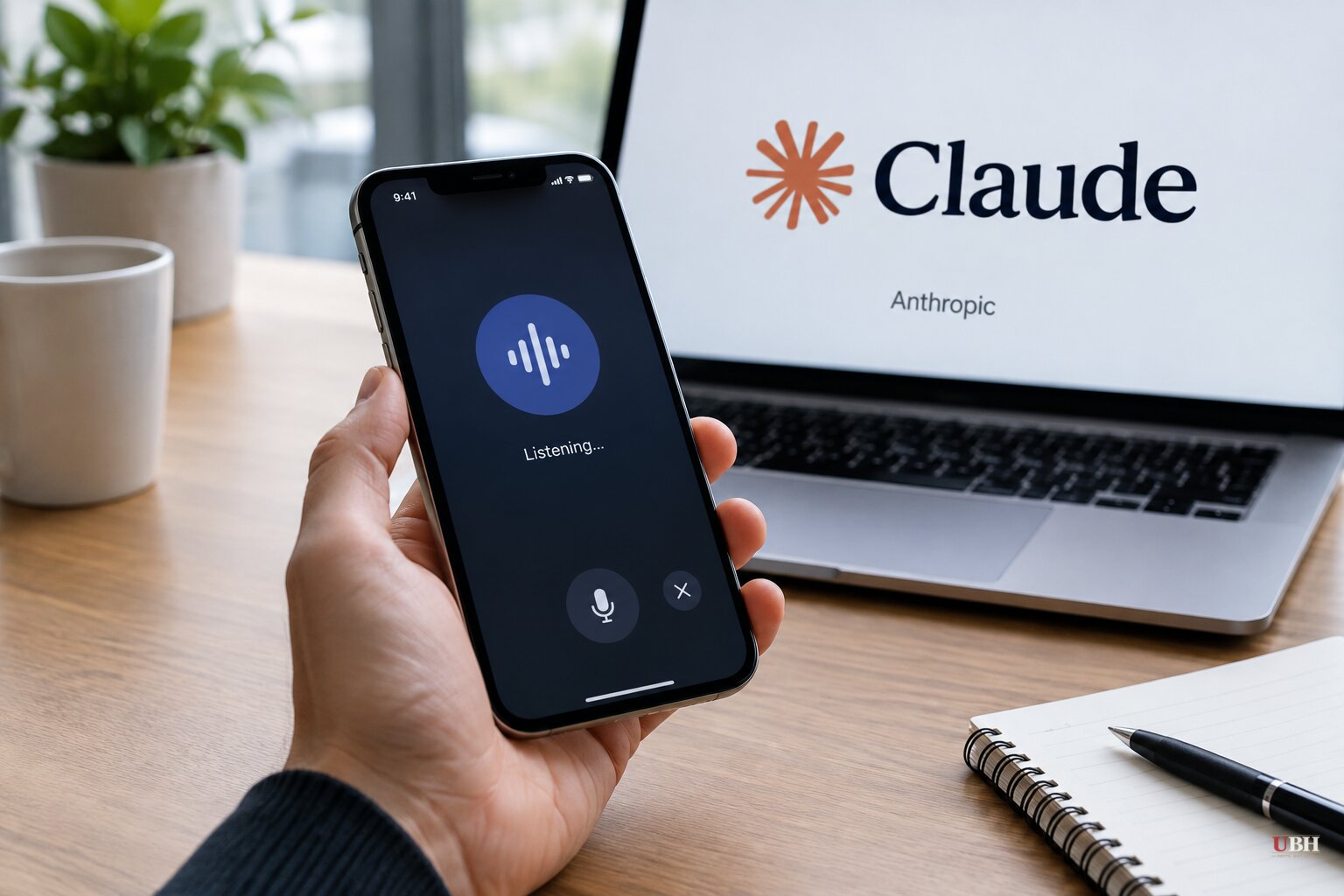
Anthropic wants your voice, literally.
The company behind the Claude chatbot is asking users to opt in to sharing their voice conversations so Anthropic can use them to improve its AI models, according to Crypto Briefing. The request extends a bigger shift in how Anthropic handles user data that started more than a year ago.
What changed and when
Under Anthropic's original voice setup, audio recordings were deleted immediately after being transcribed to text. Only the transcript could ever be used for training, and only if a user's settings allowed it. The spoken audio itself never stuck around.
That changed in spirit, if not in exact mechanics, after Anthropic updated its consumer terms on August 28, 2025. That update let Claude Free, Pro, and Max users consent to having their chats and coding sessions used for model improvement, according to Crypto Briefing. Before that update, Anthropic did not train on consumer conversations at all.
New users got the consent prompt at signup. Existing users had until late September or early October 2025 to make a choice, with Crypto Briefing citing a deadline window of September 28 to October 8, 2025.
The default-on toggle
When Anthropic rolled out the August 2025 change, the "Help improve Claude" toggle was switched on by default, according to Crypto Briefing. Users had to actively go find the setting and turn it off if they didn't want their data used.
That's a legitimate concern. Default opt-ins are a well-worn tactic across tech, from app permissions to cookie banners, and they reliably produce higher participation than opt-in-by-choice because most people never touch default settings. A user who wants their conversations kept private has to know the setting exists and take action, rather than the company asking for affirmative consent up front.
Anthropic's defenders would point out the company did build in real guardrails. Only new or resumed conversations qualify for extended retention, so old chats sitting untouched weren't swept in retroactively. Deleted conversations are excluded from training. And users can change their privacy settings at any time, reversing an opt-in later if they choose.
The retention numbers themselves are a big jump. Users who opt in can have data kept for up to five years. Users who opt out keep the old 30-day retention window, according to Crypto Briefing.
Business users are carved out
One detail says a lot about how Anthropic is managing risk. The policy changes stop at the consumer line. Anthropic's commercial products, including its API and enterprise offerings, are not covered by the new consent terms.
In plain terms, businesses paying for API access get the old privacy deal. Everyday users on a free or consumer-paid plan are the ones being asked to hand over more.
The people least able to negotiate terms, individual users clicking through a settings screen, are the ones whose data is now eligible for years-long retention and model training. The people with lawyers and procurement contracts get stronger protections by default.
What's unresolved
Crypto Briefing's reporting doesn't specify whether the new voice-sharing request carries the same default-on setting that applied to text chats in 2025, or whether Anthropic is requiring an affirmative, un-defaulted opt-in this time. That distinction matters enormously for how many users actually end up contributing voice data, and whether critics can again raise the default-toggle objection.
No participation numbers were reported for how many existing Claude users opted in or out during the 2025 text-data transition. Anthropic has marketed itself for years as the safety-conscious AI lab, which is exactly why every tweak to its data policy, including this voice request, is going to get measured against that reputation rather than against its competitors' looser standards.
Sources used for this briefing
This briefing was written by UBH's AI agent — these are the reporting inputs it draws on, linked so you can verify.


