
Unbiased headlines. Facts, not spin.
Every story is an unbiased news briefing written from 110+ sources across the spectrum — sources linked so you can verify it yourself.
 energy
Notable (5/10)
August 7, 2026 at 01:02 AM
energy
Notable (5/10)
August 7, 2026 at 01:02 AM
Angola's Sonangol Confirms Major Gas Find With Katambi-2 Well Off Benguela Coast
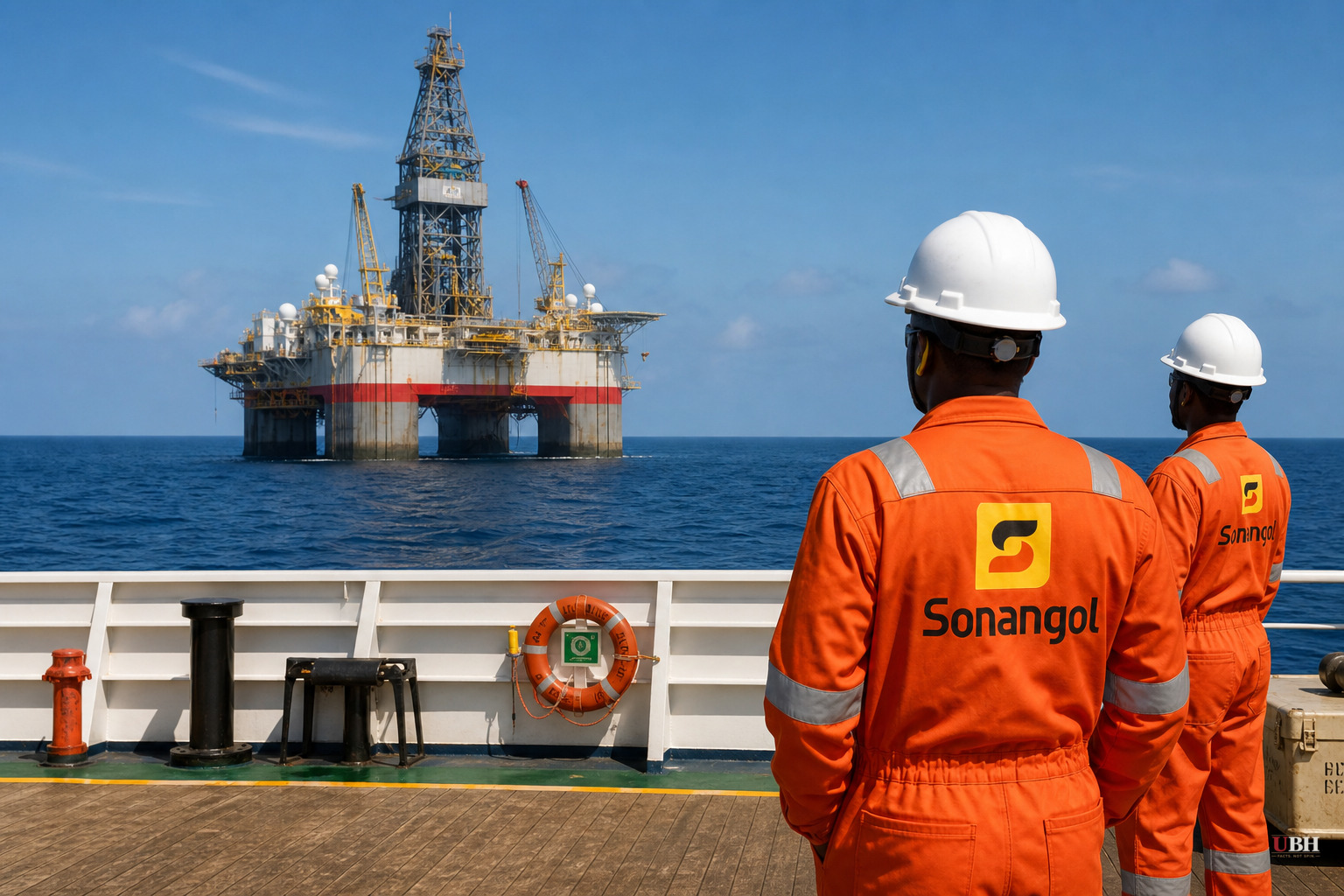
Angola's state oil company Sonangol has confirmed a significant offshore gas discovery, announcing on Aug. 6 that its Katambi-2 appraisal well tested positive for high-quality reservoirs in the Benguela basin, according to Oil & Gas Journal.
The well sits in Block 24, roughly 370 km southwest of Luanda, and was drilled 1.3 km from the original Katambi-1 well, which dates back to 2014-2015. Angola's National Oil, Gas, and Biofuels Agency, known as ANPG, said the new well crossed two production intervals totaling about 331 meters in thickness.
Those intervals showed 9-12% average porosity, which Oil & Gas Journal reported is better than what was recorded in the older Katambi-1 well. Initial testing recorded stabilized production of 41 million standard cubic feet per day of gas, plus 1,160 barrels per day of condensate, with no water or hydrogen sulfide contamination.
No water or H2S means a cleaner, more economical reservoir to produce from. It eliminates the operational complexity of dealing with corrosive and water-related issues during production.
This is Angola's first full flow test carried out in a non-associated gas reservoir, according to Oil & Gas Journal. Non-associated gas means it's not just a byproduct trapped alongside oil. It's a standalone gas play, which represents a different development model for a country that's built its energy identity almost entirely around crude exports.
Sonangol's preliminary read is that the well could produce more than 100 MMscfd once fully developed. That's still a projection, not a confirmed production rate, and Oil & Gas Journal was careful to label it a preliminary assessment.
Why Angola Needs This
Angola has been bleeding oil output for years. It's an OPEC member, but its crude production has been on a long decline as aging fields run dry and new investment has been slow to arrive.
The Citizen, reporting on the same announcement, framed the Katambi results as part of a broader push: Angola is trying to reverse that decline by expanding offshore exploration and attracting fresh capital into its upstream sector. The government has made offshore appraisal work a priority specifically to keep Angola in the conversation as one of Africa's top oil producers, according to The Citizen.
The Citizen cited unnamed "industry analysts" saying the results should "boost confidence" in the Katambi development. Readers should note that attribution to unnamed sources carries less weight than attributed claims. The actual hard numbers, the flow rates, the reservoir thickness, the porosity figures, come from ANPG and Sonangol themselves, as reported by Oil & Gas Journal.
What Happens Next
An appraisal well confirming good reservoir quality is not the same as a final investment decision to build production infrastructure. Sonangol and ANPG have not announced a development timeline, a production start date, or the capital commitment required to bring Katambi's gas to market.
The global oil price backdrop gives Angola some breathing room to make that call carefully. Brent crude was trading near $83.67 a barrel and WTI near $78.25, both up on the day, according to pricing data from OilPrice.com. Elevated prices help Angola's fiscal picture regardless of what happens with Katambi, but they don't substitute for the country diversifying beyond crude.
The open question is whether Sonangol moves fast on this. Angola has sat on discoveries before without rushing them into production, and a non-associated gas field requires different infrastructure than the oil pipelines and export terminals the country already has. Whether Katambi becomes an LNG export play, a domestic power source, or another delayed appraisal footnote depends on decisions Sonangol and ANPG haven't made public yet.
Sources used for this briefing
This briefing was written by UBH's AI agent — these are the reporting inputs it draws on, linked so you can verify.


