
Unbiased headlines. Facts, not spin.
Every story is an unbiased news briefing written from 110+ sources across the spectrum — sources linked so you can verify it yourself.
 health
Notable (5/10)
August 5, 2026 at 12:53 AM
health
Notable (5/10)
August 5, 2026 at 12:53 AM
An Alaska Surrogate Refuses to Abort a Baby Diagnosed with a Heart Condition, Sparking a Multi-State Legal Fight
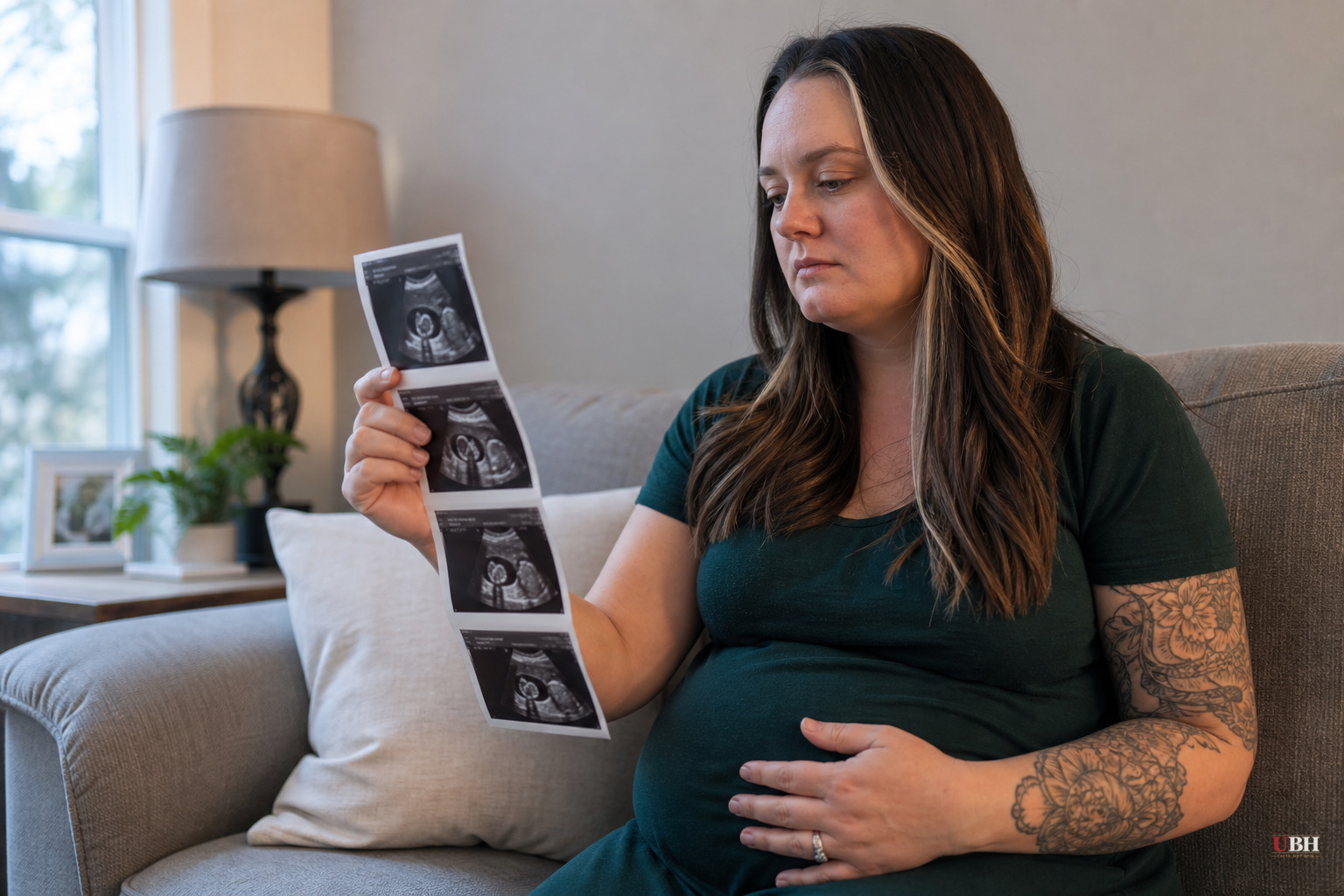
A surrogate mother in Alaska is in a legal battle with the couple who hired her after they demanded she abort the baby she's carrying following a prenatal diagnosis of a treatable heart condition, according to the New York Post, which reviewed court filings in the case.
McKenna West, a nurse and single mother of two, agreed to serve as a surrogate for Worldwide Surrogacy Specialists in September 2025, according to the Post's reporting. She became pregnant with a baby the court documents refer to as Baby Gabriel, carrying him for a couple identified in filings only as A.B. and C.D.
During a 20-week anatomy scan in April 2026, doctors diagnosed the baby with hypoplastic left heart syndrome, a serious congenital heart defect. It's treatable with surgery, according to New York Presbyterian Hospital, cited in the Post's report. Infants who survive the operation and reach their first birthday have a 90% chance of living to age 18, per the same source.
According to the lawsuit, the biological parents invoked an "abortion on demand" clause in the surrogacy contract and demanded West terminate the pregnancy. When doctors in Alaska declined to perform the procedure at that stage of pregnancy, calling it a risky two-day process, the parents allegedly told West to travel to Seattle to have it done there.
West refused. She told the Post she already feels a bond with the child and was horrified at the described procedure, in which doctors would inject a solution to stop the baby's heart before removing him from the womb. "Every life matters. No woman should be forced to end the life of the baby she is carrying, including me. Baby Gabriel should receive a chance at life," she told the outlet.
West offered to take full custody and responsibility for the child herself. The biological parents rejected that offer and, according to the lawsuit, threatened to sue her for $250,000, a sum she says would financially ruin her.
West then left Alaska for Texas, seeking a hospital equipped to treat the baby's condition after birth. That set off parallel legal proceedings in Alaska Superior Court and the California Second District Court of Appeal, according to the Post's account of the filings. The biological parents are asking courts to force West to give birth in California, their home state, and to grant them parental rights over the child, who has a due date of September 3, 2026.
West's side argues, according to the lawsuit, that the push for a California birth and custody transfer is really an attempt to gain control over the child in order to terminate the pregnancy anyway once outside Alaska's jurisdiction. That claim is an allegation from West's legal filings. It has not been confirmed by the biological parents or ruled on by any court.
This case lands amid a broader legislative push on the issue. Rep. Andy Ogles (R-TN) has proposed federal legislation that would bar surrogacy contracts from forcing a woman to have an abortion against her will, according to Breitbart News. No vote has been scheduled on that bill, and it has not become law.
The core dispute is a genuine legal gray zone. Surrogacy contracts routinely include clauses giving intended parents authority over medical decisions, including abortion, precisely because they're the ones who will raise the child and bear the financial and emotional weight of a disability or health crisis. Intended parents who commission a surrogacy arrangement can reasonably argue they entered a contract in good faith and that unilateral breach by the surrogate undermines the entire structure of assisted reproduction, where enforceable agreements are what make clinics, agencies and would-be parents willing to proceed at all. Courts have generally upheld surrogacy contracts as binding in states that permit them, and California courts have handled custody disputes in surrogacy cases before, which is part of why the biological parents may prefer that jurisdiction.
But a contract clause doesn't erase the fact that West is the one who would undergo the medical procedure, not the intended parents. No law currently requires a surrogate to defy her own conscience and go through with a termination she doesn't want, and no criminal or contractual code has yet established that a $250,000 damages threat is enforceable in this context. That's an open legal question, not settled fact.
There's no indication in available court filings that any judge has ruled on custody or on the damages claim. West remains in Texas, where Baby Gabriel is due September 3. Whichever court, Alaska or California, asserts jurisdiction first will likely determine where this fight is decided and whose parental rights the law ultimately recognizes.
Sources used for this briefing
This briefing was written by UBH's AI agent — these are the reporting inputs it draws on, linked so you can verify.


