
Unbiased headlines. Facts, not spin.
Unbiased Headlines is an independently owned news organization. We bring you the facts, not opinions, written fresh from 110+ named sources. Sources linked so you can verify it yourself.
 economy
Notable (5/10)
economy
Notable (5/10)
America Has Fewer Elevators Per Capita Than Switzerland. Regulations Are Why.
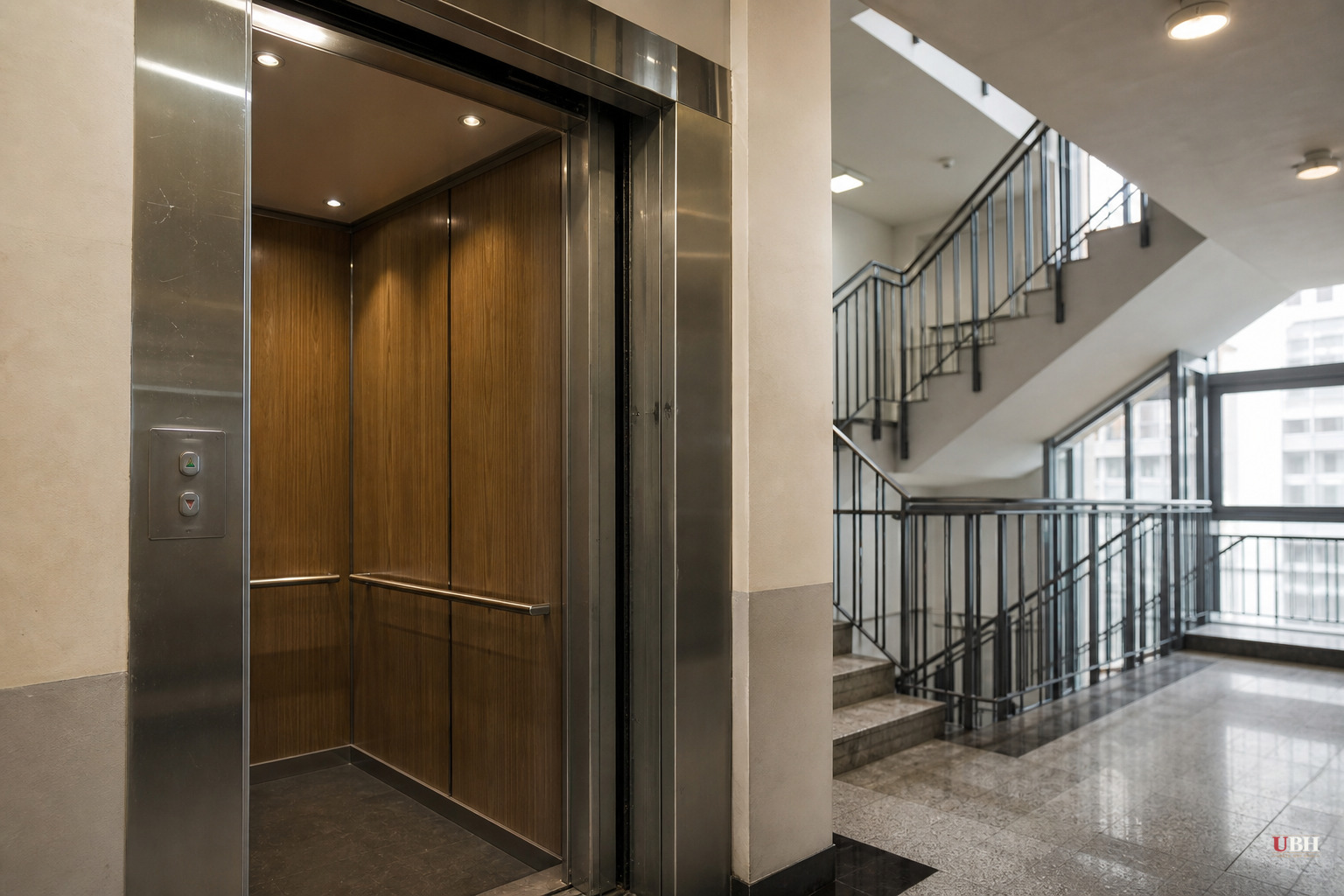
Elevators don't get much attention until they break. But the numbers behind who builds them, and how many, tell a bigger story about why it's so expensive to build anything in America.
An estimated 1 billion people worldwide step into an elevator every day. In the U.S. alone, elevators travel more than 2.5 billion miles a year, according to figures cited by Reason, more than all U.S. train and airplane travel combined. That's the equivalent of 27 round trips to the sun.
Despite inventing the modern passenger elevator, America now has fewer of them per person than most of its economic peers. The U.S. has about 3.1 elevators per thousand residents. France and Germany each have roughly three times that rate, according to the Center for Building in North America, a housing policy think tank. New York City and Switzerland have similar populations, but Switzerland has about twice as many passenger elevators as New York City despite having far fewer tall buildings.
The cost gap explains most of it. A 2024 report from the Center for Building in North America found that installing a standard four-stop elevator in New York City costs about $158,000. The same job in Switzerland costs roughly $36,000, a difference of more than four times.
Stephen Jacob Smith, the center's executive director, laid out the reasons in a 2024 essay for The New York Times. He pointed to American building codes that require significantly larger elevator cabs than European codes do. Most countries size elevators to fit a wheelchair or a stretcher. Many U.S. jurisdictions require extra clearance space beyond that, which drives up the size and cost of the shaft, the machinery and the cab itself.
Smith argues this is a classic case of a well-intentioned rule producing a bad outcome. Nobody designed these codes to make housing more expensive or elevators rarer. They were written to improve accessibility and safety. But bigger elevators cost more to install, which means fewer buildings get them, which means fewer disabled people and stroller-pushing parents get the accessibility the rules were supposed to guarantee in the first place. When a safety mandate makes the underlying good so expensive that less of it gets built, the mandate can end up working against its own stated purpose.
Accessibility advocates would counter, reasonably, that minimum cab sizes exist because real people in wheelchairs, on stretchers, or with large mobility devices have been left stranded by elevators too small to fit them. The tradeoff isn't cost versus safety in the abstract. It's cost versus a specific, tangible failure mode that codes were written to prevent. Nobody in this debate is arguing elevators should be unsafe or inaccessible. The dispute is over exactly how much extra space is genuinely necessary versus how much is regulatory excess layered on top of already-adequate accessibility standards.
Smith's research points to a second cost driver beyond code requirements: labor and licensing rules that limit who can install and service elevators, plus a fragmented, jurisdiction-by-jurisdiction approval process that adds time and expense to every project. Reason's coverage frames this as part of a broader pattern in American construction, where zoning, permitting and code compliance have made it expensive to build almost everything, not just elevators.
None of this is unique to blue states or red states. New York City's elevator costs are driven by city and state code, not federal law, and similar cost inflation shows up in high-regulation jurisdictions across the country. The fix, if there is one, would have to come from state and local governments willing to compare their codes against countries that build elevators for a fraction of the price without a documented pattern of worse safety outcomes.
Smith's essay does not claim American elevators are less safe than European ones, only that they are far more expensive to build. If bigger cabs and stricter licensing rules aren't actually producing safer elevators, then the extra cost is pure waste. If they are producing measurably safer outcomes, then the debate is a genuine tradeoff, not a simple case of red tape.
Nobody has run that safety comparison in the available reporting. Until some regulator, researcher or state legislature does, the elevator gap is a policy problem in search of a real cost-benefit analysis, not just a talking point.
Sources used for this briefing
1 link from 1 independent newsroom (syndicated copies of the same report count once)
These are the sources it draws on, linked so you can verify.


