
Unbiased headlines. Facts, not spin.
Every story is an unbiased news briefing written from 110+ sources across the spectrum — sources linked so you can verify it yourself.
 energy
Notable (6/10)
July 21, 2026 at 06:03 PM
energy
Notable (6/10)
July 21, 2026 at 06:03 PM
Amazon Fires Dropped 80% in 2025, Hitting Lowest Level Since Satellite Records Began
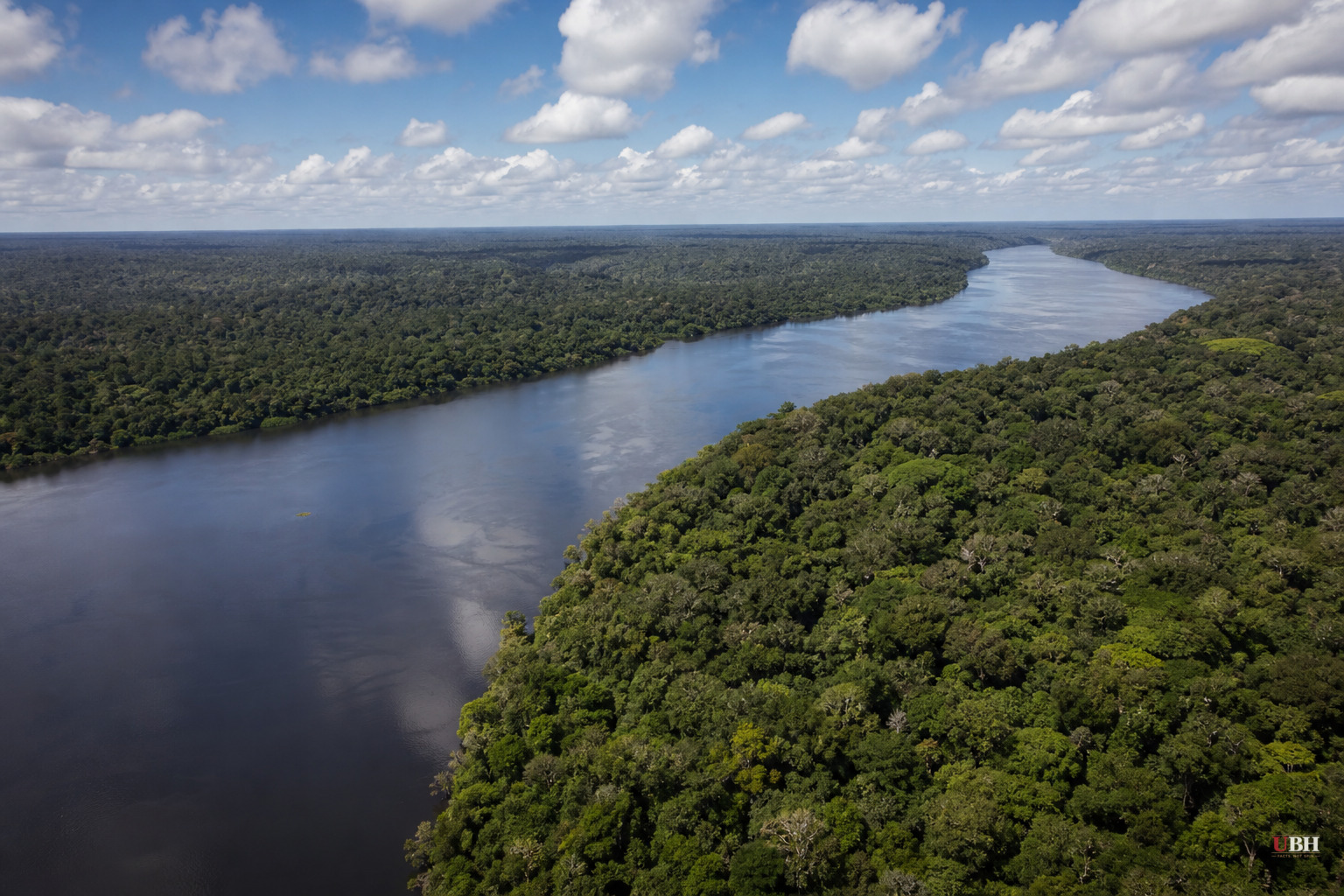
The numbers
Brazil's Amazon rainforest burned across 3.1 million hectares in 2025. That's down from 15.8 million hectares in 2024, according to MapBiomas, the satellite-based deforestation and fire monitoring network. It's the smallest burned area recorded since MapBiomas records began in 1985.
Nationwide the picture is similar. Brazil saw roughly 12.7 million hectares burn in 2025, compared with 30 million in 2024, according to MapBiomas figures reported by the BBC. Upday, citing the same MapBiomas report, put the totals in square kilometers: 31,400 km² burned in the Amazon in 2025 versus 158,200 km² in 2024, and 127,000 km² burned nationwide versus 302,000 km² the year before. That's a 58% national drop year over year.
For context, the worst year on record for Brazil overall was 2007, when 30.7 million hectares burned, according to the BBC. 2024 came close to that historic high. 2025 didn't just improve on 2024, it undercut the entire 41-year record.
Why it happened, according to the people who ran the numbers
Ane Alencar, the MapBiomas Fogo coordinator, called the decline "unusual" in comments reported by both the Manila Times and Sweden Herald. Her explanation isn't a single cause. It's several factors stacking up.
First, weather. A delayed and extended rainy season between 2024 and 2025 blocked what Alencar called the "ideal window for burning" in areas where farmers use fire to clear land for agriculture, according to the Manila Times. Upday reported the delayed rains extended through April and May.
Second, less deforestation. MapBiomas said deforestation eased in 2025, which cuts down the fuel available to start fires in the first place, per the Manila Times. The Manila Times also cited first-quarter 2026 data showing deforestation at its lowest rate this decade.
Third, human behavior. Upday reported a "psychological factor" MapBiomas identified: communities burned by 2024's catastrophe were more actively working to control outbreaks in 2025, out of fear of a repeat.
Fourth, enforcement. Alencar told Upday that strengthened control and prevention protocols, more enforcement operations, and pressure from Brazil's Supreme Court (STF) pushing states to adopt fire prevention plans all played a role.
Not every region improved
Central Brazil's Cerrado savanna "kept burning" at rates similar to prior years, Alencar told the Manila Times. The good news is concentrated in the Amazon and doesn't apply uniformly across Brazil's ecosystems.
The political backdrop
The timing matters. President Luiz Inácio Lula da Silva is campaigning for a fourth non-consecutive term in October elections, and protecting the Amazon was one of his central 2022 campaign pledges, according to the BBC. Both the BBC and the Manila Times frame the MapBiomas numbers as a political boost heading into that race.
Lula's environmental record is more complicated than a single good year suggests. The Manila Times noted his administration's endorsement of a major offshore oil exploration project off the Amazon coast has drawn sharp criticism from environmental activists. A president can preside over falling fire numbers and still back oil drilling near the same rainforest. Both things are true at once, and voters deciding between Lula and his rivals in October will have to weigh both.
For comparison, the BBC noted that during predecessor Jair Bolsonaro's presidency, deforestation in the Amazon rose 75% over three years, with Bolsonaro arguing that expanded farming and mining would reduce regional poverty. Environmentalists accused him of letting deforestation accelerate. That history is why Lula's 2025 numbers carry political weight, fair or not.
The caveat
Alencar herself pushed back on reading too much into one good year. She told the BBC the 31% drop compared to the historical average is "positive news" but "does not yet allow us to conclude that this is an established trend or to scale back prevention efforts."
A single year driven partly by cooler La Niña conditions and a delayed rainy season is weather-dependent, not policy-proof. MapBiomas explicitly warned that El Niño, the climate pattern that raises global temperatures, could return this year and extend the dry season, raising fire risk again. Upday's report referenced a potential "super El Niño."
What's unresolved
MapBiomas has not published a mid-2026 fire assessment as of this writing, so whether the 2025 improvement is holding up under any El Niño conditions this year remains an open question. The group's own coordinator says one good year isn't enough to declare victory, and enforcement funding, drought conditions, and illegal mining and logging activity will determine whether 2025 was a turning point or a lucky break before conditions turn.
Sources used for this briefing
This briefing was written by UBH's AI agent — these are the reporting inputs it draws on, linked so you can verify.


