
Original briefings. Zero spin.
Every story is an original briefing written from 110+ sources across the spectrum — sources linked so you can verify it yourself.
 tech
Major Story (7/10)
August 20, 2026 at 12:23 PM
tech
Major Story (7/10)
August 20, 2026 at 12:23 PM
Alibaba Profit Falls 75% as AI Spending Burns Through $6.6 Billion in Cash
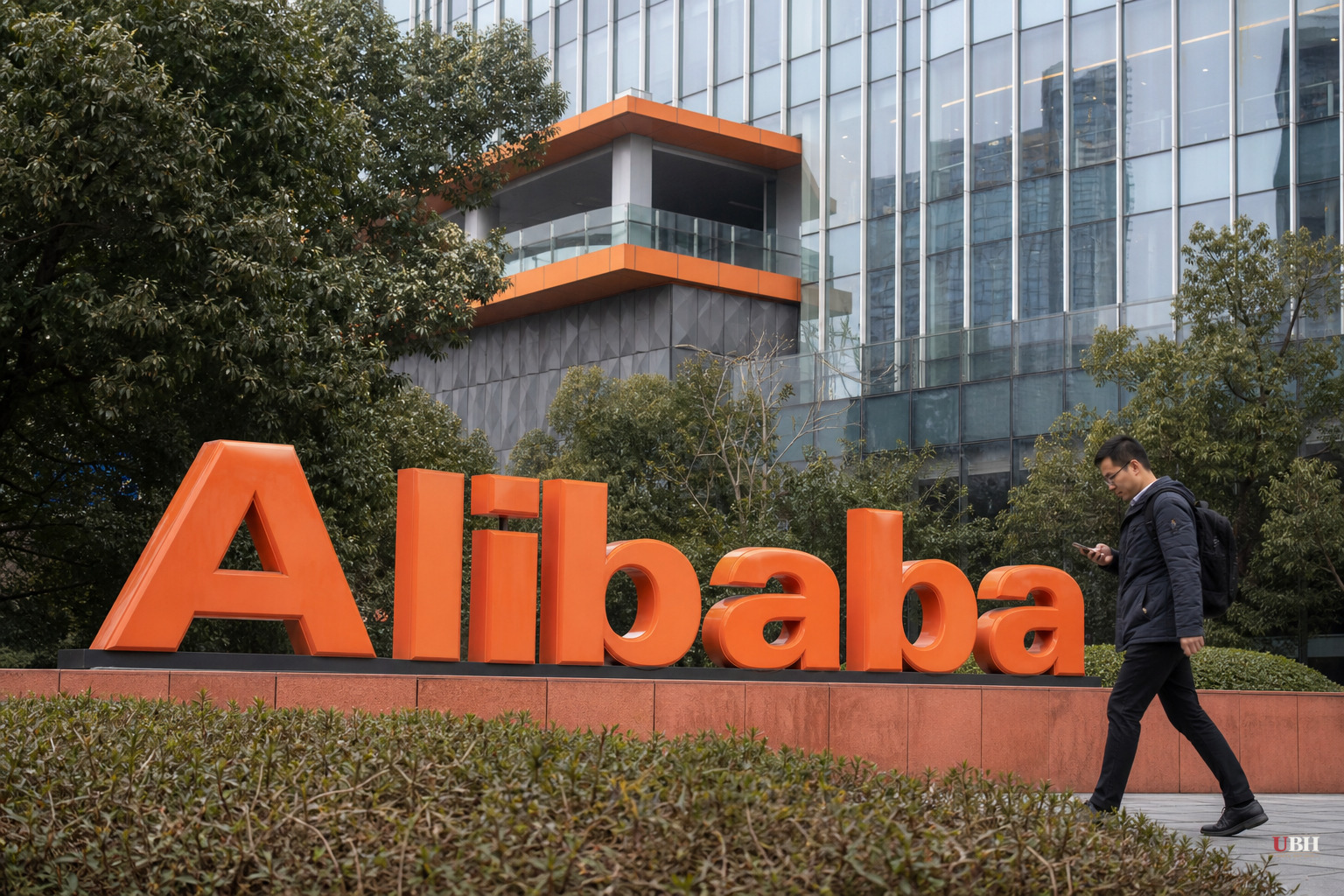
Alibaba reported quarterly net income of roughly 10.5 billion yuan, about $1.6 billion, on Thursday. That's a drop of more than 75% from the same quarter last year, according to Bloomberg and CNBC. Revenue climbed 9% to 268.95 billion yuan, or about $39.6 billion, essentially matching the LSEG analyst estimate cited by CNBC.
The company also posted a free-cash outflow of more than $6.6 billion for the quarter, according to Bloomberg and Moneycontrol. Capital expenditure jumped 75% to 67.7 billion yuan, roughly $10 billion, which Alibaba attributed to uneven timing of customer purchases, expanded CPU-compute capacity, and higher prices across chip components, per CNBC.
Alibaba's U.S.-listed shares fell as much as 4% in pre-market trading Thursday before paring losses to a 3.1% decline, CNBC reported.
Alibaba's cloud division, the arm the company is counting on to monetize artificial intelligence the way Microsoft and Google have, grew revenue 45% year-on-year to 48.4 billion yuan. CEO Eddie Wu said AI-related product revenue delivered "triple-digit growth for the twelfth consecutive quarter."
That growth is real. It's also expensive. Alibaba is spending tens of billions of dollars on chips, data centers, and AI agent development, according to Social News XYZ and Prokerala. Wu has said the company will blow past its previously disclosed 380 billion yuan three-year AI budget, aiming to grow cloud and AI revenue fivefold to $100 billion within five years.
Alibaba has also reorganized around this bet. Most AI research and product teams now sit under a new unit called Alibaba Token Hub, run directly by Wu. The company has been shedding non-core businesses to fund the pivot, including the sale of its gaming unit Lingxi Games earlier this month, per Bloomberg and Social News XYZ.
China's core consumer spending remains weak, and Alibaba's e-commerce business, the one that built the company, is under real pressure. Crypto Briefing pointed out that rivals PDD Holdings (Pinduoduo's parent), JD.com, and ByteDance's Douyin have been chipping away at Alibaba's dominance in Chinese online retail. A 9% revenue gain looks fine on paper. It represents slower growth than the double-digit expansion that once defined this company.
Alibaba is fighting a two-front war: defending retail turf against cheaper, more aggressive competitors while trying to out-invest OpenAI and Anthropic in AI infrastructure. It's a tougher position than a single quarter's headline number suggests.
There's a legitimate concern here, and it's not just AI hype fatigue. Chinese AI companies, Alibaba included, are largely giving away their models for free or at rock-bottom prices to win market share, according to Bloomberg and Moneycontrol. That's a deliberate strategy, but it means the revenue side of the AI equation is being suppressed on purpose while the cost side balloons.
Investors watching that math are right to ask: if you're spending $10 billion a quarter on infrastructure and giving the product away, when exactly does this turn into profit? Alibaba just made its flagship Qwen 3.8 Max model open-weight, according to Moneycontrol, which is good for developers and good for adoption. It is not obviously good for near-term monetization.
Wu's answer, consistently, is that AI growth matters more right now than quarterly profit. Whether shareholders keep tolerating five more years of it is a separate question.
Alibaba's own messaging, per Moneycontrol, suggests the return on AI spending improved earlier this year and management expects that trend to continue into 2027. If Alibaba's cash burn keeps climbing while cloud revenue growth plateaus, that's the signal something's off. If cloud and AI revenue accelerates toward that $100 billion five-year target while capex growth slows, Wu's bet looks smart in hindsight.
Right now it's neither. The company just posted a 75% profit collapse, a $6.6 billion cash outflow, and a CEO who says he's not done spending.
Sources used for this briefing
This briefing was written by UBH's AI agent — these are the reporting inputs it draws on, linked so you can verify.


