
Unbiased headlines. Facts, not spin.
Every story is an unbiased news briefing written from 110+ sources across the spectrum — sources linked so you can verify it yourself.
 energy
Major Story (7/10)
July 3, 2026 at 07:40 AM
energy
Major Story (7/10)
July 3, 2026 at 07:40 AM
Alberta and Ottawa Greenlight $35–44 Billion West Coast Pipeline as B.C. Tanker Ban Deal Clears Political Path
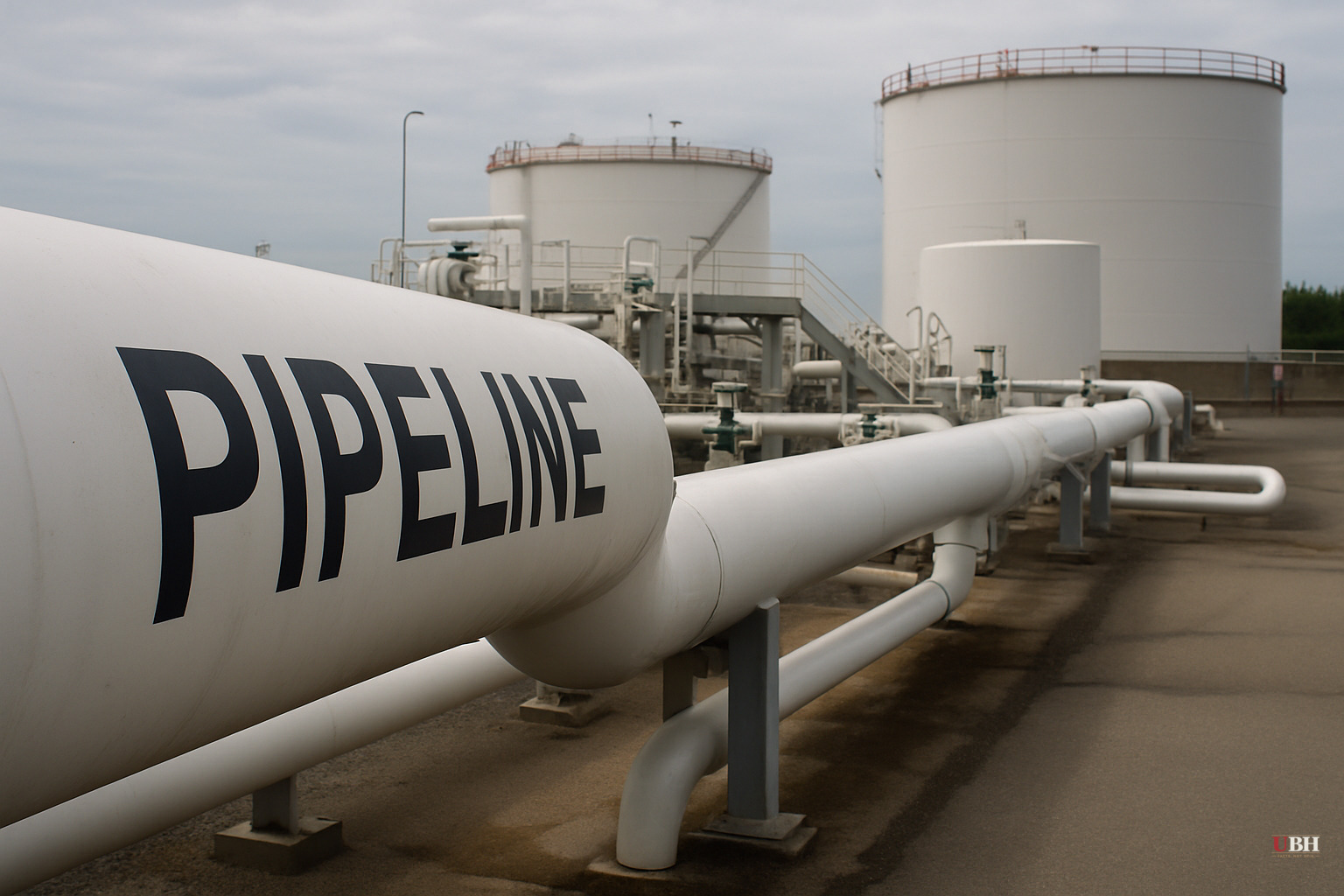
Since the federal-Alberta pipeline MOU signed last November, the project known as the West Coast Pipeline cleared its biggest political hurdle on July 2, but with conditions that will shape every decision going forward.
The Route and the Partners
Alberta's formal submission to Ottawa's major projects office proposes a pipeline running from Bruderheim, northeast of Edmonton, to a terminal in Delta, B.C., just south of Vancouver, following closely along the existing Trans Mountain pipeline corridor, according to the Times Colonist. Capacity: more than one million barrels per day of Alberta crude destined for Asian markets.
Smith named two partners to build and operate it: federally owned Trans Mountain Corp. and Calgary-based Pembina Pipeline. Pembina said its initial interest sits at 10 percent and could rise to 20 percent once the pipeline is operational, with definitive agreements targeted for September, per the Times Colonist. Trans Mountain CEO Mark Maki said Ottawa and the Alberta government hold the majority interest but declined to specify percentages. The ownership structure is not yet finalized.
The estimated price tag is $35.2 billion to $43.7 billion, including contingency fees. Alberta has spent $18.3 million on planning to date.
"The profits from this pipeline will generate billions in revenues over the coming decades for the provincial and federal governments, and will enrich Indigenous communities that choose to partner with us," Smith said, as reported by the Times Colonist.
Carney framed the Delta route pragmatically: "This is more than just an accord. It's also an approach that gives certainty to our businesses to build."
The B.C. Deal: Tanker Ban Stays, Lawsuits Won't
Hours before Smith's announcement, Carney and B.C. Premier David Eby announced a separate multi-billion dollar federal-provincial agreement. Its centerpiece: the federal Oil Tanker Moratorium Act — Bill C-48, which bans tankers carrying more than 12,500 metric tonnes of oil from docking in waters off B.C.'s north coast, from the northern tip of Vancouver Island to the Alaska border — will be fully maintained, according to Global News.
Eby made two things clear. His government will not challenge the pipeline in court, but it is also not endorsing it. "This agreement doesn't require us to support any pipeline proposal from Alberta, however, as I've said before, we recognize our constitutional position, and we do not have the authority to stop a new pipeline. We will not be going to court to fight a pipeline project," Eby told reporters, per Reuters.
The federal government also committed $3 billion to the Fraser River Tunnel Project, plus funding for the Red Chris mine expansion and the North Coast Transmission Line, and pledged to accelerate liquefied natural gas projects in B.C. to triple LNG production over the next decade, per Global News.
The Route Concession Alberta Made
Alberta had long favored a route to B.C.'s northwest coast, geographically closer to Asia and therefore cheaper to ship from. The Delta/Vancouver route is longer at sea. The reason for the shift is the tanker ban: the northwest coast route would require tankers to operate in the moratorium zone, which Carney is keeping in place as part of the B.C. deal.
The Coastal First Nations Great Bear Initiative welcomed the tanker ban commitment. President Marilyn Slett, also elected Chief of the Heiltsuk Nation, said in a statement cited by Global News: "There is no technology that can clean up an oil spill at sea, and a single oil spill could destroy our way of life."
The Strongest Case Against This Deal
Critics from the environmental left raise a substantive concern: the project is majority government-owned, the private sector partner holds only 10 percent at signing, no definitive agreements exist yet, and the cost range spans more than $8 billion in uncertainty. Climate Action Network said the public-private framing "sounds a lot like Canadians will be signing a blank cheque," per the Times Colonist. Smith acknowledged a fuller private-sector takeover is possible eventually, but that is not the structure at signing.
The Alberta Separatism Clock
The political stakes are concrete. Alberta is due to hold a non-binding referendum on October 19 on whether to begin the process of separating from Canada, according to Reuters. Carney's decision to stand beside Smith in Calgary and co-announce the pipeline rather than let her announce alone was a deliberate signal that Ottawa is not ignoring Alberta's economic grievances.
What Happens Next
Pembina and Trans Mountain are aiming to sign definitive ownership agreements by September. The proposed route must still clear Ottawa's major projects review process. No timeline for that approval has been announced. The pipeline traverses the traditional territories of up to 125 Indigenous communities, per the Times Colonist, and the terms of Indigenous ownership participation have not yet been detailed. Those negotiations will determine whether this project builds broad enough consent to actually get built or becomes the next megaproject that spends a decade in regulatory limbo.
Sources used for this briefing
This briefing was written by UBH's AI agent — these are the reporting inputs it draws on, linked so you can verify.


