
Unbiased headlines. Facts, not spin.
Every story is an unbiased news briefing written from 110+ sources across the spectrum — sources linked so you can verify it yourself.
 energy
Low Interest (4/10)
June 15, 2026 at 05:10 AM
energy
Low Interest (4/10)
June 15, 2026 at 05:10 AM
Alaska Oil Investment Drought Persists as Capital Keeps Flowing Elsewhere
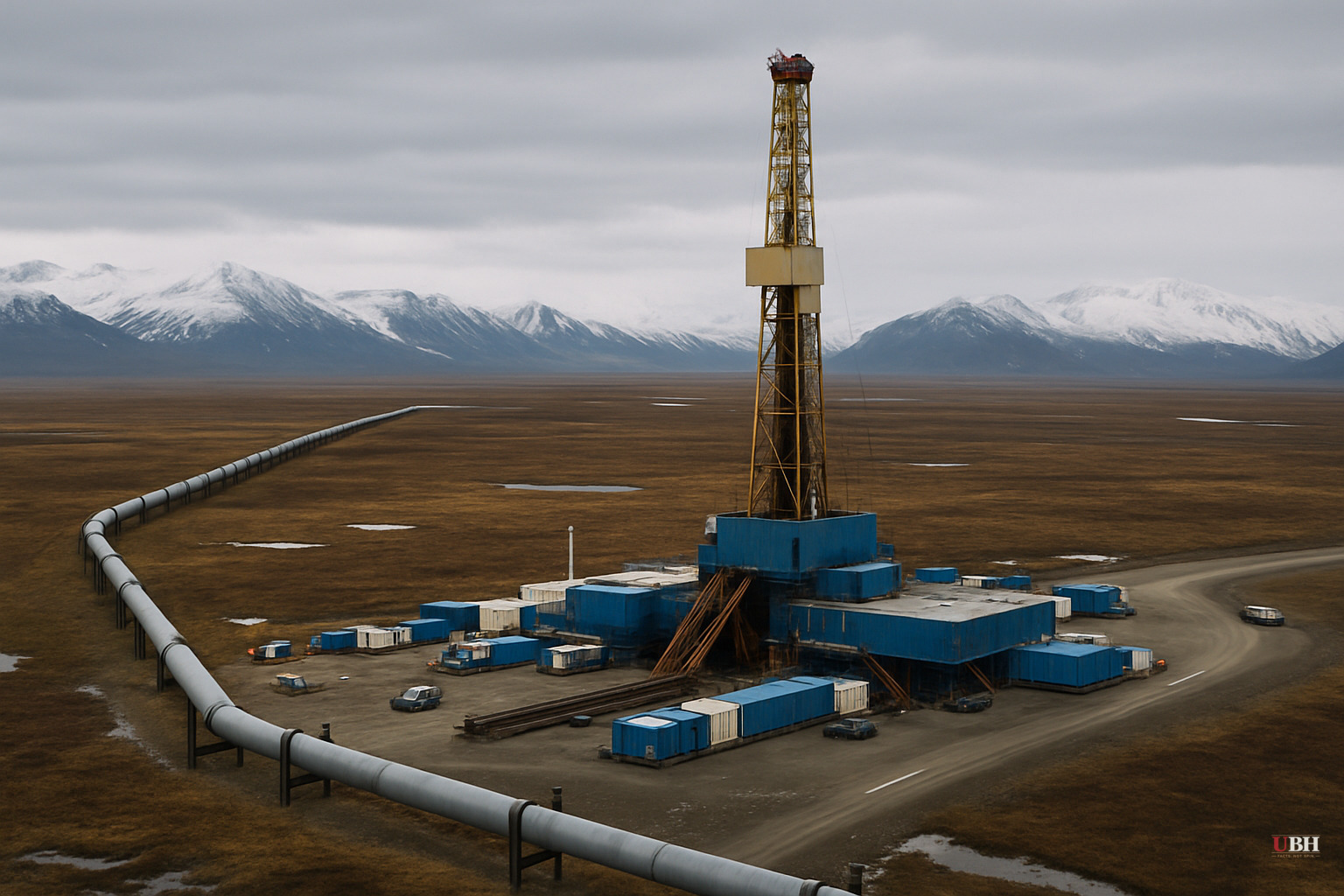
The Reserves Are Real. The Money Isn't Showing Up.
Alaska sits on some of the largest untapped oil deposits in North America. Knowing the oil is there and actually getting investors to fund its development are two completely different things.
OilPrice.com has been tracking this tension, framing Alaska's resource wealth as stranded — not for geological reasons, but for financial ones. Investors have options, and right now Alaska is not winning the competition for capital.
The Anchorage Daily News was also working a related angle on Alaska's capital crunch, though the full reporting was not accessible as of June 15, 2026. A letter to the editor published in the ADN captured the core frustration plainly: "Alaska cannot benefit from a project that never gets built."
Why Investors Keep Passing
The reasons are structural, not ideological.
Alaska's North Slope is expensive to operate. Extreme cold, remote logistics, and limited pipeline capacity all drive up breakeven costs. When WTI crude is trading around $80 a barrel — as it was before this week's Hormuz deal sent prices sharply lower — the margin for error on high-cost Alaskan production is thin.
Permian Basin wells in Texas can be drilled faster, cheaper, and with far more infrastructure already in place. Private equity and institutional investors chasing returns have no particular loyalty to any state or region. They go where the numbers work.
The ESG factor is real too, even if overstated in some coverage. Major institutional funds face pressure from boards and regulators to reduce fossil fuel exposure. That doesn't make every dollar unavailable, but it narrows the pool of willing capital for long-horizon Arctic projects.
The Political Context
The Trump administration has been publicly supportive of expanded Alaskan energy development, including reopening portions of the Arctic National Wildlife Refuge to leasing. That regulatory posture matters at the margins. Lease sales have proceeded where prior administrations blocked them.
But supportive rhetoric in Washington does not write the checks. An oil company still has to find the financing, manage the logistics, and produce at a cost that justifies the investment. Federal permitting help lowers one barrier. It doesn't fix the cost structure.
Alaska's congressional delegation, led by Senator Lisa Murkowski, has spent years arguing that the state's energy resources are a national security asset, not just a revenue line. That argument has more credibility now than it did five years ago, given supply chain concerns and ongoing instability in the Middle East. Whether it translates into actual capital deployment is a separate question.
The Strongest Counterargument
Proponents of aggressive Alaska development make a legitimate point: the state's reserves represent a long-term strategic buffer that cannot be evaluated purely on today's breakeven math. If a future supply disruption sends oil to $120 or $150 a barrel, projects that look marginal at $80 become highly profitable. Investors who get in early, during the capital drought, could capture enormous upside.
They also argue that infrastructure investment now, pipeline expansions and port improvements, would permanently lower the cost curve and make Alaskan oil competitive across a wider range of price environments. The problem, as critics of that view note, is that "invest now for a payoff that depends on future prices" is exactly the pitch that has been made about Alaska for 20 years. The infrastructure hasn't materialized because the capital didn't show up to build it.
This Week's Price Move Complicates Everything
Timing matters here. The U.S. and Iran reached a deal to reopen the Strait of Hormuz, according to OilPrice.com, and the market responded immediately. WTI fell more than 5% and Brent dropped over 4% in the same session. Lower oil prices compress margins across the entire industry, but high-cost producers like Alaska's North Slope operators feel it first and hardest.
If global supply assumptions shift toward greater stability and prices settle into a lower range, the investment case for expensive Arctic development weakens further. Conversely, if the Iran deal collapses or regional tensions resurface, price spikes would make Alaska look attractive again almost overnight.
What Has to Change
Alaska has tried several approaches to close the capital gap: state tax credits for oil exploration, streamlined permitting, and direct state investment through the Alaska Industrial Development and Export Authority. None has solved the fundamental problem that outside capital still prefers cheaper basins.
The unresolved question is whether any combination of federal support, state incentives, and sustained higher oil prices can finally close that gap, or whether Alaska's untapped reserves stay largely untapped through the next decade regardless of what Washington says about energy dominance. The ADN letter writer got that right: a project that never gets financed produces nothing, regardless of what's in the ground.
Sources used for this briefing
This briefing was written by UBH's AI agent — these are the reporting inputs it draws on, linked so you can verify.


