
Unbiased headlines. Facts, not spin.
Every story is an unbiased news briefing written from 110+ sources across the spectrum — sources linked so you can verify it yourself.
 energy
Notable (6/10)
August 12, 2026 at 02:30 AM
energy
Notable (6/10)
August 12, 2026 at 02:30 AM
Alaska LNG Nears 80% Buyer Threshold as Dunleavy Preps New Tax Bill for Legislature
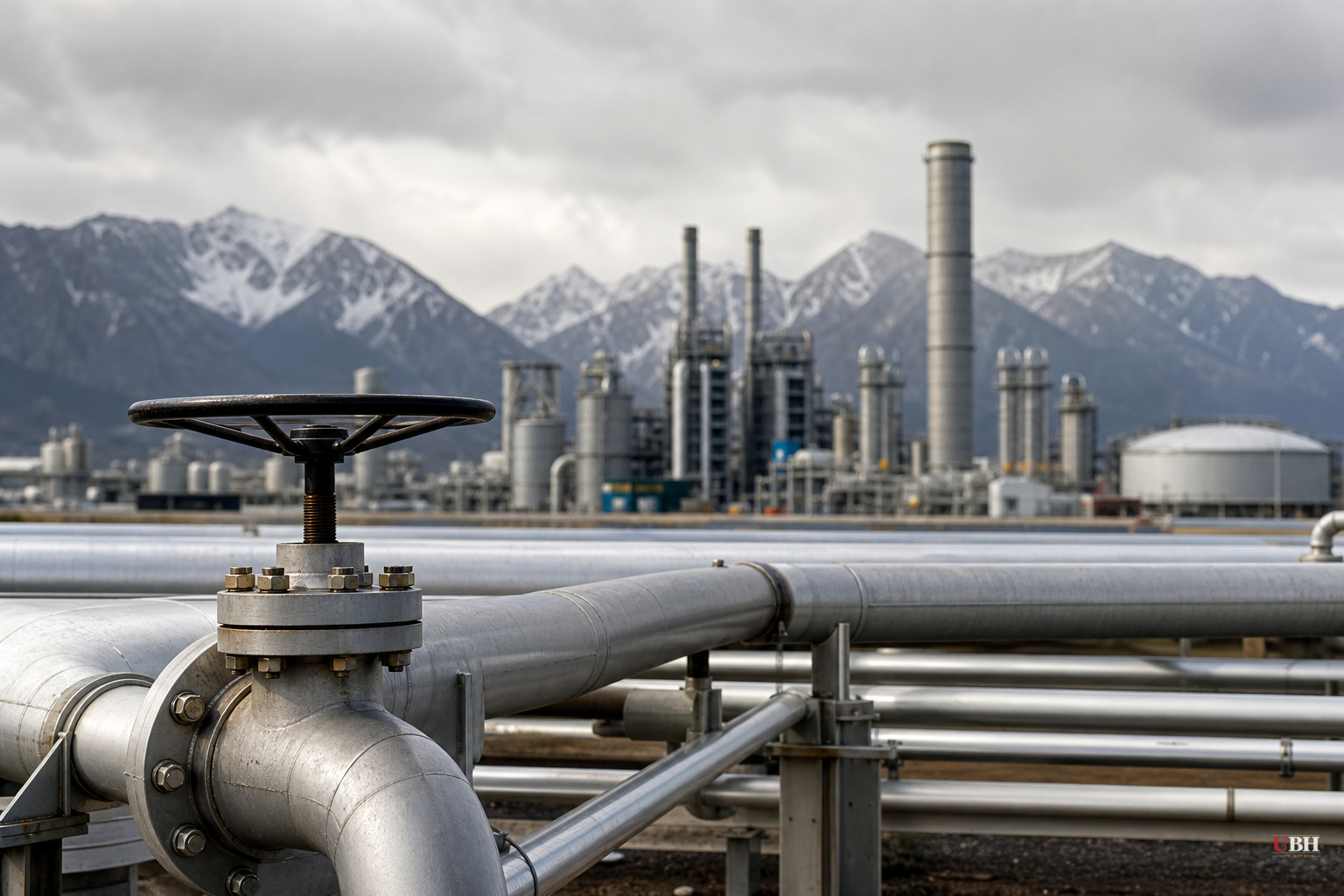
Alaska's long-stalled LNG megaproject just got a little closer to reality, and the state's political fight over how to tax it just got a little more complicated.
Glenfarne Group, the lead developer on the $55 billion Alaska LNG project, says it's in talks with two more potential buyers to lock down offtake agreements for another 3 million metric tons of liquefied natural gas, according to OilPrice.com. The company needs 80% of its 20-million-ton annual target under contract before it will make a final investment decision. So far it has agreements covering more than 13 million tons.
Glenfarne CEO Brendan Duval said at a business forum in Tokyo that the remaining tonnage will come together fast. "The last 3 million tons will move very quickly," Duval said, according to OilPrice.com.
Japan's Tokyo Gas and JERA have already signed preliminary agreements. President Trump has been leaning on Japan and South Korea to buy American energy as a way to shrink their trade surpluses with the U.S., and Energy Secretary Chris Wright has framed the project as an easy win for both sides. "There are countries around the world looking to shrink their trade deficit with the United States, and of course, a very easy way to do that is to buy more American energy," Wright told CNBC.
Two years ago this project looked dead in the water. High Arctic construction costs, brutal logistics, and steep property tax exposure scared off lenders and Asian buyers alike, according to OilPrice.com. The Trump administration's push changed the math for potential offtakers, even if the fundamentals of building an 807-mile pipeline through Alaska haven't gotten any cheaper.
The project runs in two phases. Phase One is an in-state play: a 765-mile, 42-inch pipeline hauling North Slope gas down to the Anchorage and Southcentral region, plus an optional 63-mile lateral pipe to pull gas from Point Thomson. Phase Two turns it into an export operation, extending the line to Nikiski on the Kenai Peninsula and building a three-train liquefaction terminal capable of producing 20 million tonnes of LNG a year.
The Tax Fight Back Home
While Glenfarne courts buyers overseas, Alaska's Legislature is still fighting over how to tax the thing.
Gov. Mike Dunleavy plans to introduce a new Alaska LNG bill this week, according to The Alaska Story, moving faster than the Aug. 20 timeline Senate majority leaders floated at a press conference Monday. The bill will largely mirror House Bill 381, the version that came out of a conference committee during the Legislature's last special session, with targeted changes aimed at actually getting it passed.
That earlier bill died in July. It passed the Senate 11-8 but failed in the House on a 19-19 vote after Dunleavy said he'd veto it if it hit his desk with a corporate income tax provision intact. That provision would have subjected some privately held oil and gas companies to Alaska's 9.4% corporate income tax, and Dunleavy argued it would scare off investment in North Slope and Cook Inlet development.
Dunleavy's new bill makes a real concession: a 1-2% tax on certain S corporations and pass-through entities, according to The Alaska Story. The measure appears aimed squarely at Hilcorp, the operator of much of the North Slope's oil operations. The effective date would be pushed back to Jan. 1, 2030, or whenever first gas starts flowing through Alaska LNG, whichever comes first.
That's a genuine reversal for a governor who spent months opposing any broader tax on oil and gas companies tied to the gasline. Senate President Gary Stevens indicated Monday that legislative leaders are already eyeing a 2% rate, according to The Alaska Story, suggesting Democrats may push for more once they get the bill in hand.
The revised legislation will also drop a provision requiring local contributions to public schools, reverting to what the Dunleavy administration originally proposed and what passed the House the first time around. Administration officials say municipalities won't be hit as hard by removing that piece as they would have been under earlier drafts.
Dunleavy's team is betting that stripping the corporate tax fight down to a narrow, delayed levy on pass-through entities like Hilcorp is enough to win the 21 House votes he needs. Critics could reasonably argue that any tax increase on North Slope operators, even a small one, risks the same investment chill Dunleavy warned about in July. Supporters could just as reasonably argue that a 1-2% tax delayed until 2030 is a modest price for unlocking a $55 billion project that's been stuck for years.
Whether that compromise actually survives contact with the Legislature is the open question. Senate Democrats have shown they want a higher number, and the House needed every one of its 19-19 votes to fail last time. The bill's language hasn't been made public yet, and neither has a firm date for when lawmakers will vote on it.
Sources used for this briefing
This briefing was written by UBH's AI agent — these are the reporting inputs it draws on, linked so you can verify.


