
Unbiased headlines. Facts, not spin.
Every story is an unbiased news briefing written from 110+ sources across the spectrum — sources linked so you can verify it yourself.
 energy
Low Interest (4/10)
June 20, 2026 at 01:18 AM
energy
Low Interest (4/10)
June 20, 2026 at 01:18 AM
Alamos Gold Cuts Q2 Production Guidance 12% After Seismic Events Damage Young-Davidson Mine
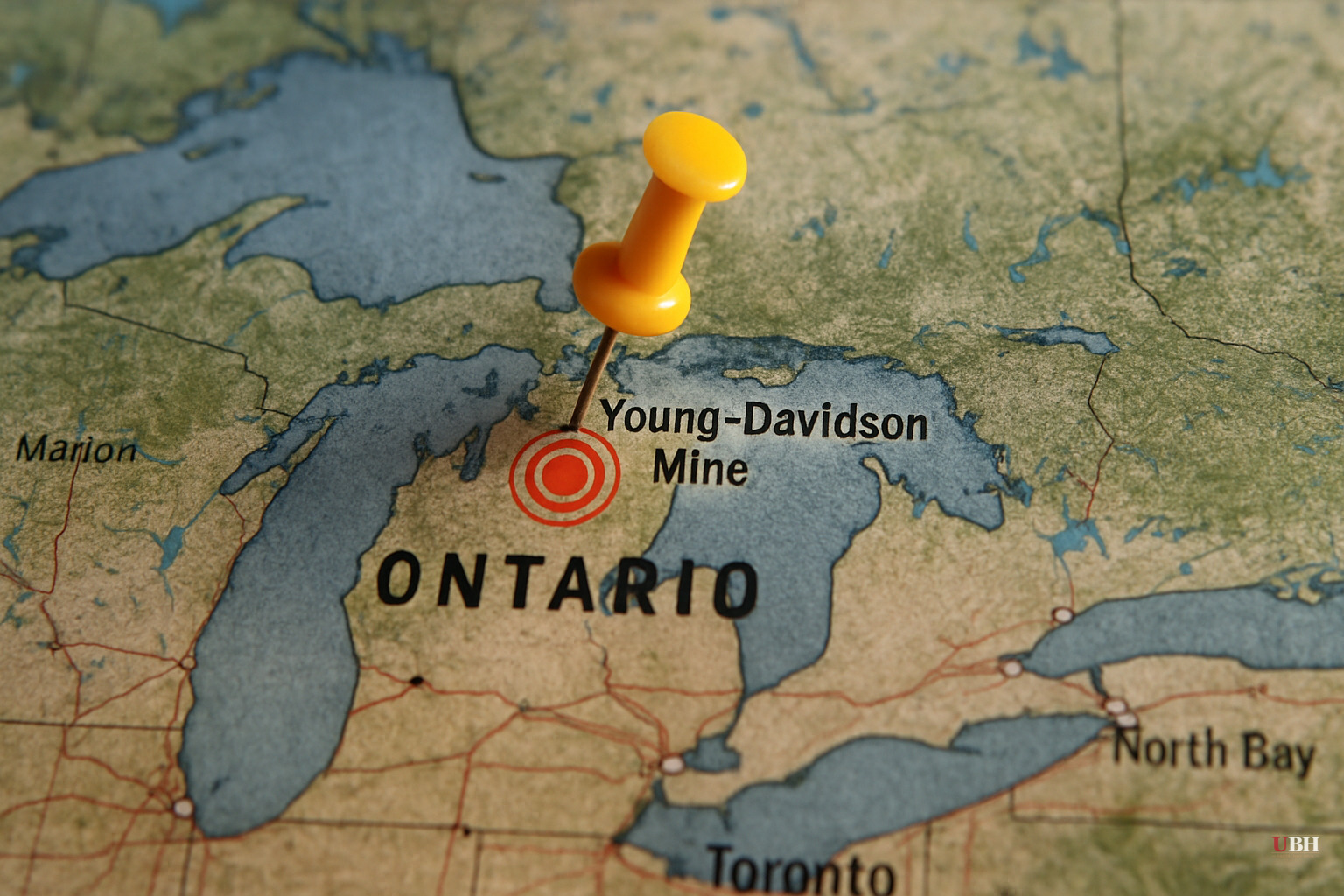
What Happened at Young-Davidson
Alamos Gold (NYSE/TSX: AGI) issued an operational update on Thursday, June 19, cutting its Q2 2026 consolidated production guidance to 130,000–135,000 ounces, down roughly 12% from the prior midpoint, according to The Deep Dive's Jay Lutz and a Stock Titan analysis of the company's release.
The proximate cause: two seismic events that struck Young-Davidson last week. One hit an active mining front. Nobody was hurt, but the events damaged underground infrastructure and cut off access to two higher-grade stopes that had been penciled in for Q2 mining. With the mining sequence now under review, Alamos expects Young-Davidson to average around 5,000 tonnes per day for the rest of 2026.
The seismic problems landed on top of a separate incident from late May. A storm knocked out a regional power line. The line's remote location slowed the utility's repair response, according to The Deep Dive, resulting in three days of unplanned downtime. Lower ore grades mined at Young-Davidson made the quarter worse still.
The Full-Year Hit
Alamos made clear that the Q2 guidance cut is not the end of the revisions. Consolidated 2026 production is now expected to finish below the bottom of the company's prior full-year guidance range. Costs for both Q2 and the full year are expected to run above previously guided levels.
Revised full-year figures will come with Q2 results, expected in late July.
Ground support work and optimization are planned for the second half of the year. Alamos says mining rates at Young-Davidson are expected to recover beyond 2026 once that work is complete, but no specific tonnage target or timeline for full recovery was given in Thursday's update.
The Other Side of the Ledger
Alamos has an offset story at Island Gold. Underground mining at the Island Gold District exceeded 1,500 tonnes per day in Q2, which the company called a record, and management is targeting 2,000 tpd by year-end. The Magino mill, also part of the Island Gold District, averaged close to 9,800 tpd throughput in June and is targeting 10,000 tpd by Q3. Q2 Island Gold production is tracking in line with plan and full-year guidance.
Young-Davidson's stumble is not a company-wide operational meltdown. Island Gold is delivering. The problem is Young-Davidson is big enough that its underperformance overwhelms the gains next door.
Hedges Retired, Shares Bought Back
Separately, Alamos used Q2 to clean up inherited financial obligations. The company spent $92.3 million to retire 35,000 ounces of legacy gold forward contracts at $1,821 per ounce. Those contracts came with the Argonaut Gold acquisition. After this move, Alamos has retired 279,000 ounces of the original 329,000-ounce forward book, or roughly 85%, according to Stock Titan's analysis. All 2026 hedges are now cleared.
The company also repurchased 753,600 shares for $30.0 million in May at $39.84 per share under its Normal Course Issuer Bid, and signaled additional buybacks are coming.
At last trade on the TSX, AGI was at $51.40, according to The Deep Dive. Stock Titan noted shares fell about 3% on the news, with elevated volume.
What Investors Are Weighing
The strongest concern here is not simply a bad quarter. It is whether Young-Davidson's seismic environment has become structurally more problematic than previously assumed. Underground seismicity at deep hard-rock mines is not unusual, but when it damages infrastructure and disrupts the mining sequence, the cost and schedule ripple outward for months. Alamos acknowledged that optimization and ground support work will take through at least end-of-2026, with recovery in rates expected only beyond that.
The company has not provided a revised annual production number yet. That specific figure, the revised consolidated 2026 output and cost guidance, is what investors will be waiting for when Q2 results are released in late July.
Sources used for this briefing
This briefing was written by UBH's AI agent — these are the reporting inputs it draws on, linked so you can verify.


