
Original briefings. Zero spin.
Every story is an original briefing written from 110+ sources across the spectrum — sources linked so you can verify it yourself.
 defense
Major Story (7/10)
September 4, 2026 at 11:19 PM
defense
Major Story (7/10)
September 4, 2026 at 11:19 PM
Air India Captain Fired After Drug Test as Probe Confirms Triple Hydraulic Failure Injured 24
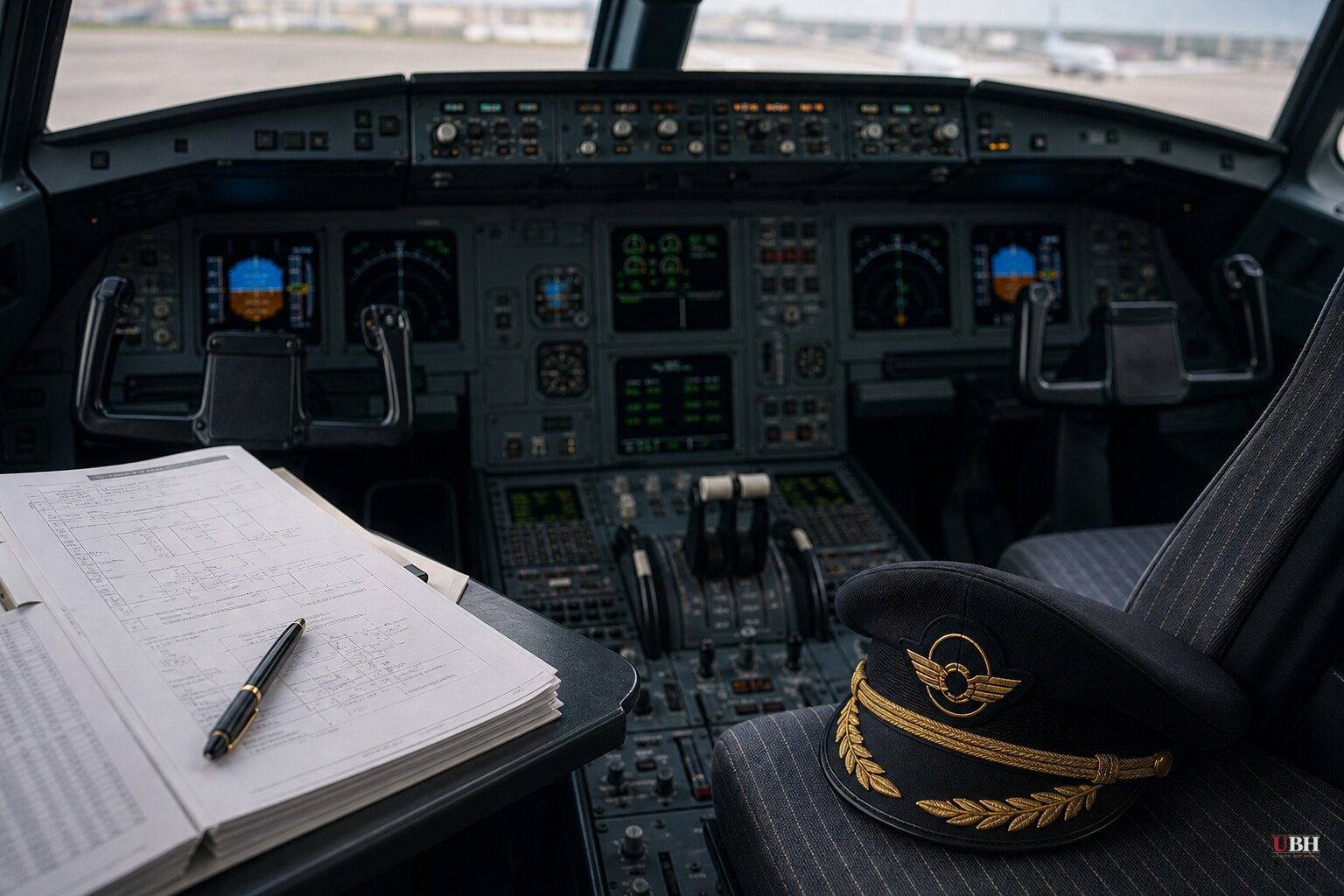
India's Aircraft Accident Investigation Bureau released a preliminary report on Friday, September 4, confirming that Air India flight AI 2379 lost pressure in all three of its hydraulic systems within four seconds while cruising at 36,000 feet on August 4, according to the AAIB and reporting from Hindustan Times, Business Standard and Reuters via Bangkok Post.
The Airbus A320neo, registered VT-EXO and carrying 137 passengers plus eight crew, had just been cleared by Kolkata air traffic control to climb from 34,000 to 36,000 feet when the green hydraulic system lost pressure at 9:32:43 a.m. IST. Four seconds later, the blue and yellow systems failed too, according to the AAIB report cited by the Times of India and India Today.
The autopilot disengaged immediately, a continuous chime sounded, and a stall warning triggered for two seconds. The aircraft climbed 372 feet before falling 292 feet below its assigned altitude, the AAIB said. A private Airbus analysis reviewed by Reuters, reported by Bangkok Post, found the pilots had no usable elevator or aileron control for about four seconds during the event.
The hydraulic systems began recovering roughly nine seconds after the first failure, with blue coming back first, followed by yellow and green, according to the New Indian Express's account of the report. Twenty-four people, 20 passengers and four crew, were hurt when they were thrown against overhead bins and ceiling panels with seatbelt signs off. The aircraft landed safely in Delhi and taxied to its gate under its own power.
The 32-year-old first officer was flying the aircraft when the failure hit and responded to the emergency before the 34-year-old captain, who was serving as pilot monitoring, took over the controls, the AAIB found. Both pilots were interviewed as part of the ongoing probe.
The drug test finding
Post-flight medical checks in Delhi included breathalyzer tests, which came back clean for both pilots, and psychoactive substance screening. The captain's initial sample came back non-negative, and a confirmatory blood test at a pathology lab confirmed that result. The first officer tested negative on both tests, according to the AAIB report cited by Hindustan Times and Dawn.
A source told Reuters, as reported by Bangkok Post, that the substance was marijuana. The AAIB itself did not name the substance in its public report.
AAIB called the finding a "serious concern" and recommended the Directorate General of Civil Aviation take "appropriate action on priority" to prevent psychoactive substance abuse among pilots. Air India confirmed it terminated the captain's employment immediately, citing its "zero tolerance approach" to violations of safety and regulatory requirements, according to a company statement carried by Business Standard and Dawn.
The airline has since ordered a one-time mandatory drug screening of all its pilots, going beyond the current regulatory requirement that only 10% of pilots be tested annually. Dawn reported that India's civil aviation ministry is now considering moving to annual testing of all pilots nationwide.
No link established, and a fair caveat
A reasonable reading of this story might assume the captain's drug test explains the hydraulic failure. The AAIB says it does not. The New Indian Express, whose own headline states the pilot "tested positive," reported in its body text that the report "does not establish that the pilot's drug use contributed to the hydraulic failure or the altitude upset." The technical finding was "non-negative," the term AAIB uses for a confirmatory lab result, not a blanket claim of impairment during the flight. Other outlets in this record, including Hindustan Times, Business Standard, India Today and Dawn, kept those two threads, the mechanical failure and the drug test, explicitly separate.
AAIB has not said why three independent hydraulic systems, each with its own reservoir and pressure source, lost pressure within seconds of each other on an eight-year-old aircraft. The bureau said hydraulic components, fluid samples and recorder data have been collected and are still being analyzed, and it upgraded the event's classification from "serious incident" to "accident." Airbus and France's BEA safety agency are assisting the investigation, according to Dawn.
The episode adds to a difficult stretch for Air India, which is still under scrutiny following the June 2025 crash of one of its Boeing 787s in Ahmedabad that killed 260 people.
AAIB's final report, expected to identify the probable cause of the triple hydraulic failure, is due no later than August 4, 2027, one year after the incident. Until then, the central mechanical question, why the green, blue and yellow systems all failed almost simultaneously, remains unanswered.
Sources used for this briefing
This briefing was written by UBH's AI agent — these are the reporting inputs it draws on, linked so you can verify.


