
Unbiased headlines. Facts, not spin.
Every story is an unbiased news briefing written from 110+ sources across the spectrum — sources linked so you can verify it yourself.
 defense
Notable (6/10)
July 30, 2026 at 08:25 AM
defense
Notable (6/10)
July 30, 2026 at 08:25 AM
Air Force Fast-Tracked KC-135 Tanker Upgrades After Deadly March Crash During Iran War
A crash forced the issue
Six airmen died in March when two KC-135 Stratotankers collided during Operation Epic Fury, the U.S. military's Iran war operation. U.S. Central Command said the crash involved no hostile or friendly fire. It was a mechanical and human tragedy, not an enemy attack.
That distinction matters, but it didn't make the loss any less preventable-looking to the people who fly and maintain these planes.
What the Air Force did after
Speaking Tuesday at the Life Cycle Industry Days conference in Dayton, Ohio, Col. Paul Tinker, deputy mobility program acquisition executive, told reporters the service moved fast once the crash exposed a gap.
"We absolutely accelerated Mobility Air Forces connectivity because of Operation Epic Fury," Tinker said, according to Defense One. "We diverted personnel and funding resources to make that happen. It's AMC's No. 1 priority, and it continues to be their No. 1 priority."
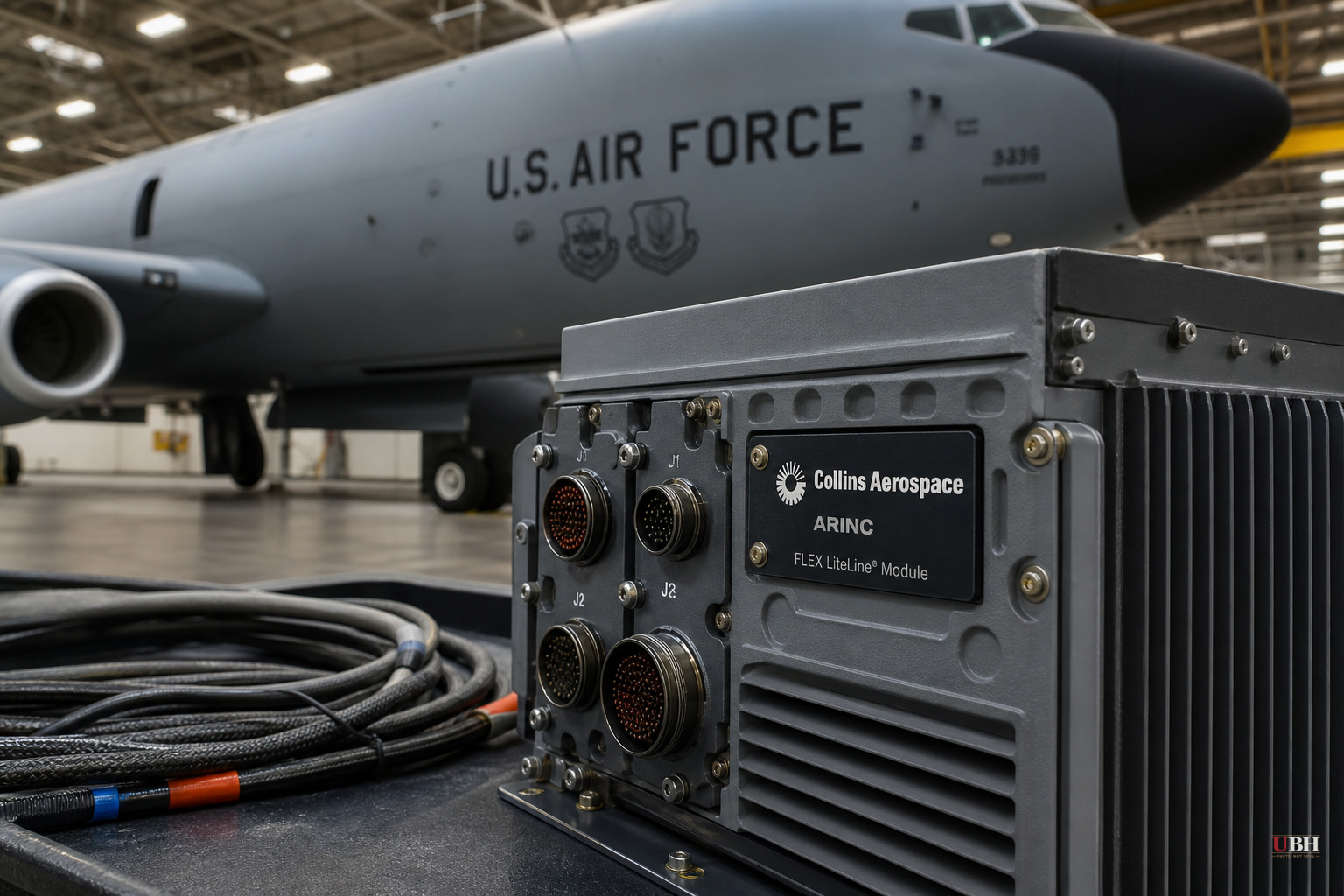
The fix centers on Link 16, the military's secure tactical data network, and a related program called Real-Time Information in the Cockpit, or RTIC. Before the crash, Air Mobility Command said in March that roughly half of the Air Force's nearly 400 tankers were connected to Link 16. An Air Mobility Command spokesperson told Defense One this week that "the majority" of the KC-135 fleet is now equipped with RTIC, though the service didn't give an exact number.
Why a 1960s plane matters in 2026
The KC-135 isn't a new airframe. The youngest ones in the fleet were built more than 60 years ago. Former air mobility commanders told Defense One after the crash that these tankers rely on standard radios with limited encrypted communication and a Traffic Alert and Collision Avoidance System, or TCAS, the same basic transponder technology found in commercial aviation to prevent midair collisions.
In a chaotic combat zone, crews sometimes have to ditch even those tools and fall back on visual separation, eyeballing other aircraft to avoid a collision. That's the situation two KC-135 crews were reportedly operating under near the time of the March crash.
A January Congressional Research Service report laid out the Air Force's own case for why that's dangerous. Tactical data links, the report said, "could increase mission success in contested environments by improving survivability, agility, and situational awareness for command-and-control elements and aircrews." Beyond avoiding collisions, connected tankers can feed crews real-time information on threats, fuel availability, and safer landing zones.
The fair question: why wasn't this done sooner
If the Air Force knew tactical connectivity improved survivability, why were KC-135 crews still flying with roughly half the fleet unconnected to Link 16 as of March, in the middle of an active war with Iran? The plain implication is that aging tanker recapitalization has been a known headache for the service for over a decade, tangled up with the troubled KC-46 Pegasus program and years of budget tradeoffs between buying new aircraft and upgrading old ones. A connectivity gap on 60-year-old jets doesn't happen overnight. It happens through years of the Pentagon prioritizing other programs while treating tanker modernization as a lower-tier line item.
To the Air Force's credit, once the crash happened, officials didn't bury it. Tinker was direct with reporters about diverting funding and personnel specifically because of the incident, and the timeline shows real movement: from roughly 50% Link 16 connectivity in March to a described "majority" of the fleet equipped with RTIC by late July, a jump in under five months.
What's still missing
Neither Defense One nor the Air Force has released a specific percentage for the current RTIC rollout, so "majority" could mean 51% or 90%. Reporters should continue seeking clarity on this point.
There's also no public accounting yet of what the accelerated upgrade cost, or which other programs lost funding or personnel to pay for it. Tinker said resources were "diverted," but diverted from where wasn't specified in the briefing.
The Air Force has not said whether the March crash investigation, which CENTCOM confirmed ruled out hostile or friendly fire, has identified whether a connectivity or awareness gap contributed to the collision itself. Until that investigation's findings are made public, the link between the upgrade push and the actual cause of the crash remains something officials are asserting, not something confirmed by an official accident report. That's the next document worth watching.
Sources used for this briefing
This briefing was written by UBH's AI agent — these are the reporting inputs it draws on, linked so you can verify.


