
Unbiased headlines. Facts, not spin.
Every story is an unbiased news briefing written from 110+ sources across the spectrum — sources linked so you can verify it yourself.
 defense
Notable (6/10)
July 19, 2026 at 06:50 PM
defense
Notable (6/10)
July 19, 2026 at 06:50 PM
Air Force Chief Wilsbach Says US Bases Need New Career Field to Defend Against Drone and Missile Attacks
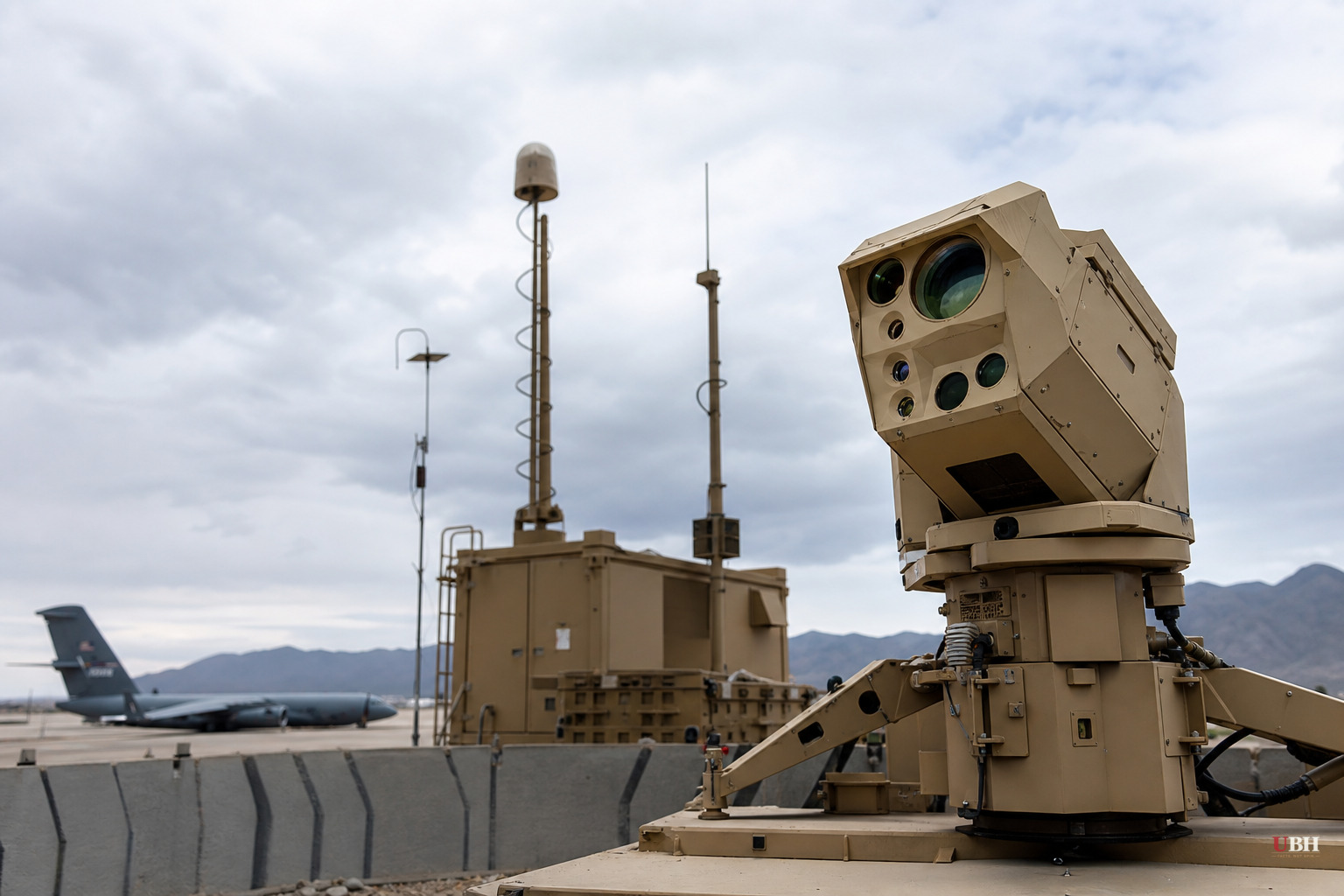
General Kenneth Wilsbach has run the US Air Force for less than a year. In that time he's watched a ceasefire with Iran collapse, seen a $1.5 trillion Pentagon budget proposal come out of the Trump White House, and now he's telling the service to build a whole new job specialty around defending its own bases.
In an interview with Breaking Defense conducted in London, Wilsbach said a recent "Corona" meeting, the periodic gathering of top Air Force generals, produced a decision to stand up a new career field focused entirely on point defense. That means airmen trained specifically to protect airfields from ballistic missiles, cruise missiles, small hobbyist-style drones, and the one-way attack drones Iran has used against targets in the region.
"We've come to the realization that we have to create a new career field and have experts in the ability to defend your airfield from all of these threats," Wilsbach said.
Wilsbach pointed directly to Russia's war in Ukraine as a preview of what happens when air bases aren't hardened against drone and missile swarms. He also referenced the Trump administration's renewed conflict with Iran, which resumed after a ceasefire fell apart, according to Breaking Defense. Reports have surfaced of high-value aircraft destroyed on the ground in that theater, the kind of loss point defense is meant to prevent.
Wilsbach was careful to note this isn't just an Air Force problem. Soldiers, Marines and sailors stationed in the Middle East are dealing with the identical threat set right now, he said, and by his account they're doing "an admirable job" under difficult conditions. The new career field is the Air Force's attempt to formalize expertise that's currently improvised in the field.
Money Problems Behind the Scenes
The push for base defense isn't happening in a budget vacuum. Wilsbach told Breaking Defense that operations he referred to as Epic Fury have forced the Air Force to cut spending elsewhere just to keep the lights on.
"There's a wide array of things that we have stopped spending money on so that we could pay for the bills that are associated with Epic Fury," Wilsbach said. "That's why you need a supplemental for this year."
A blunt admission from a four-star general: current operations are draining funds fast enough that the regular budget can't absorb it, and Congress needs to pass supplemental funding to close the gap. Wilsbach didn't detail exactly what got cut, and Breaking Defense's report doesn't specify a dollar figure for the shortfall.
F-35 and T-7 Still Behind
Wilsbach also addressed ongoing trouble with two aircraft programs that have dogged the service for years.
The F-35 program has faced upgrade delays that left some jets non-combat capable, with aircraft reportedly delivered without new radars installed, according to Breaking Defense's prior reporting referenced in the interview. Wilsbach didn't walk back those concerns.
Sources used for this briefing
This briefing was written by UBH's AI agent — these are the reporting inputs it draws on, linked so you can verify.


