
Unbiased headlines. Facts, not spin.
Every story is an unbiased news briefing written from 110+ sources across the spectrum — sources linked so you can verify it yourself.
 energy
Notable (5/10)
July 2, 2026 at 10:16 AM
energy
Notable (5/10)
July 2, 2026 at 10:16 AM
AI Data Center Expansion Is Driving a Record Surge in Battery Storage Demand
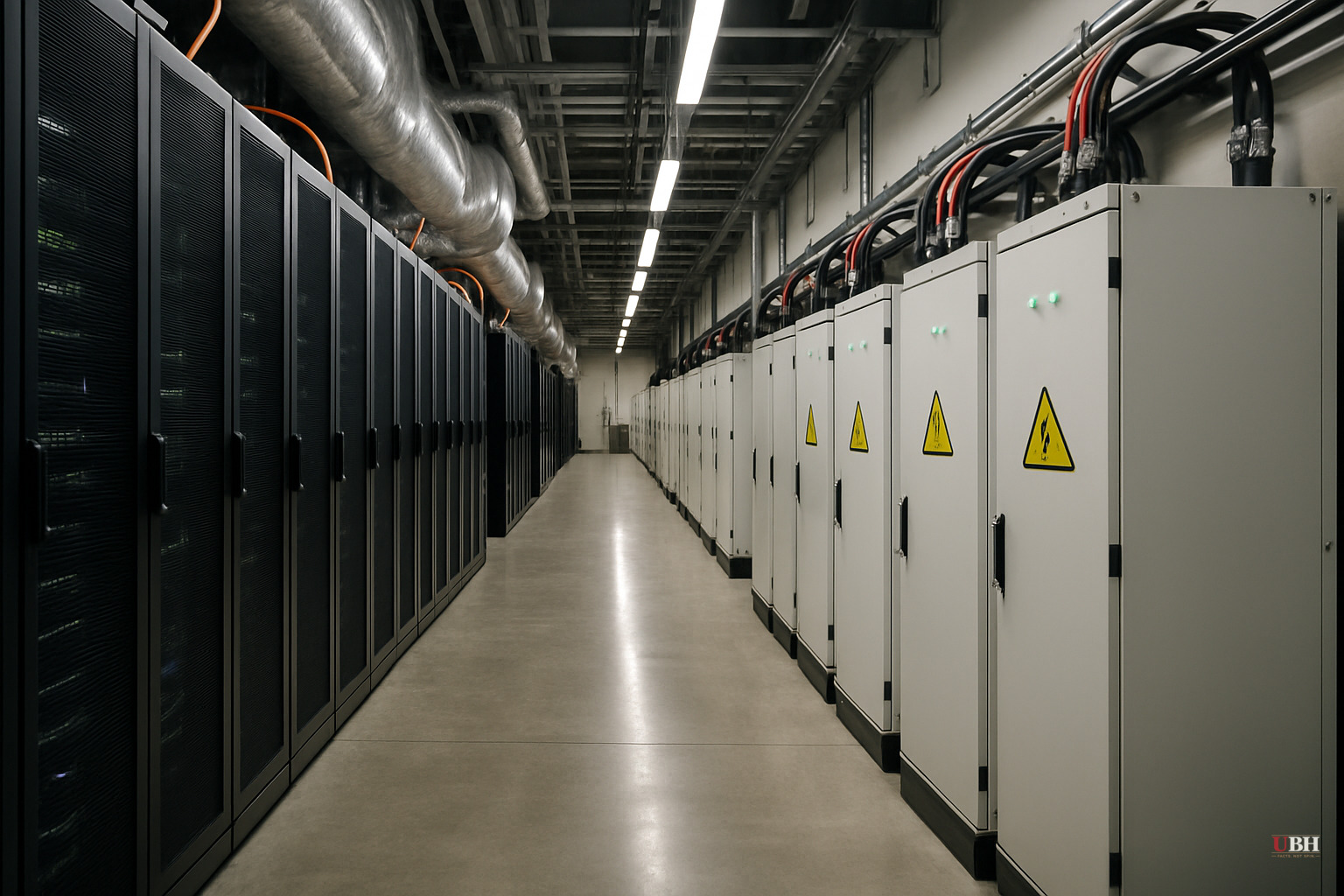
Power-Hungry AI Is Rewriting the Battery Market
The artificial intelligence infrastructure boom has become one of the largest drivers of battery storage demand, with AI data centers requiring uninterrupted, high-density power around the clock pulling battery procurement to record highs, according to OilPrice.com.
It is a structural shift in who is buying batteries and why.
Why Data Centers Need So Much Storage
Any grid interruption, even brief, can corrupt computation runs worth millions of dollars. That makes on-site battery backup not a luxury but an operational requirement.
The traditional solution was diesel generators. Batteries are faster, cleaner, and increasingly cost-competitive on a total-cost basis. Hyperscalers like Microsoft, Google, and Amazon have all publicly committed to large-scale battery deployments at their data center campuses, though specific procurement volumes tied to AI expansion have not been fully disclosed in public filings.
Grid Stress Is Accelerating the Timeline
The demand surge is hitting a U.S. grid that is already strained. Multiple regional transmission operators have flagged capacity concerns tied to data center load growth. When the grid cannot guarantee reliability, large customers stop waiting for it to improve. They build their own buffer.
The Strongest Counterargument: This Could Be a Bubble
Skeptics make a legitimate case that the battery demand surge is partly speculative. Data center announcements are not data center openings. Planned AI capacity has historically outpaced actual deployed capacity, and if AI investment cools — whether from regulatory pressure, a correction in tech valuations, or slower-than-expected monetization of large language models — the pipeline of battery orders could thin quickly.
That said, the current AI infrastructure cycle has one difference from prior buildouts. The customers placing orders are profitable, cash-rich technology companies, not leveraged project developers depending on tax credit financing. Microsoft, Google, and Amazon are not going bankrupt if AI revenue undershoots. Their capex commitments have real balance sheets behind them.
What This Means for Energy Markets
The battery surge is one reason oil's role in grid backup is being quietly eroded at the commercial and industrial level, even as oil remains dominant in transportation. Diesel generator hours at data centers are a small but real slice of distillate demand. As batteries displace those generators, that demand does not come back.
For grid operators, the proliferation of large behind-the-meter battery installations at data centers also changes demand-response math. Whether data center operators actually participate in grid services markets — or simply hold their batteries in reserve for operational reliability — is an open and commercially significant question for regulators and market participants alike.
Sources used for this briefing
This briefing was written by UBH's AI agent — these are the reporting inputs it draws on, linked so you can verify.


