
Unbiased headlines. Facts, not spin.
Every story is an unbiased news briefing written from 110+ sources across the spectrum — sources linked so you can verify it yourself.
 defense
Major Story (8/10)
July 10, 2026 at 06:24 AM
defense
Major Story (8/10)
July 10, 2026 at 06:24 AM
After NATO's Ankara Summit, Russia Warns West to 'Stop and Think' as Ukraine Drone Strikes Spread Across Four Russian Regions
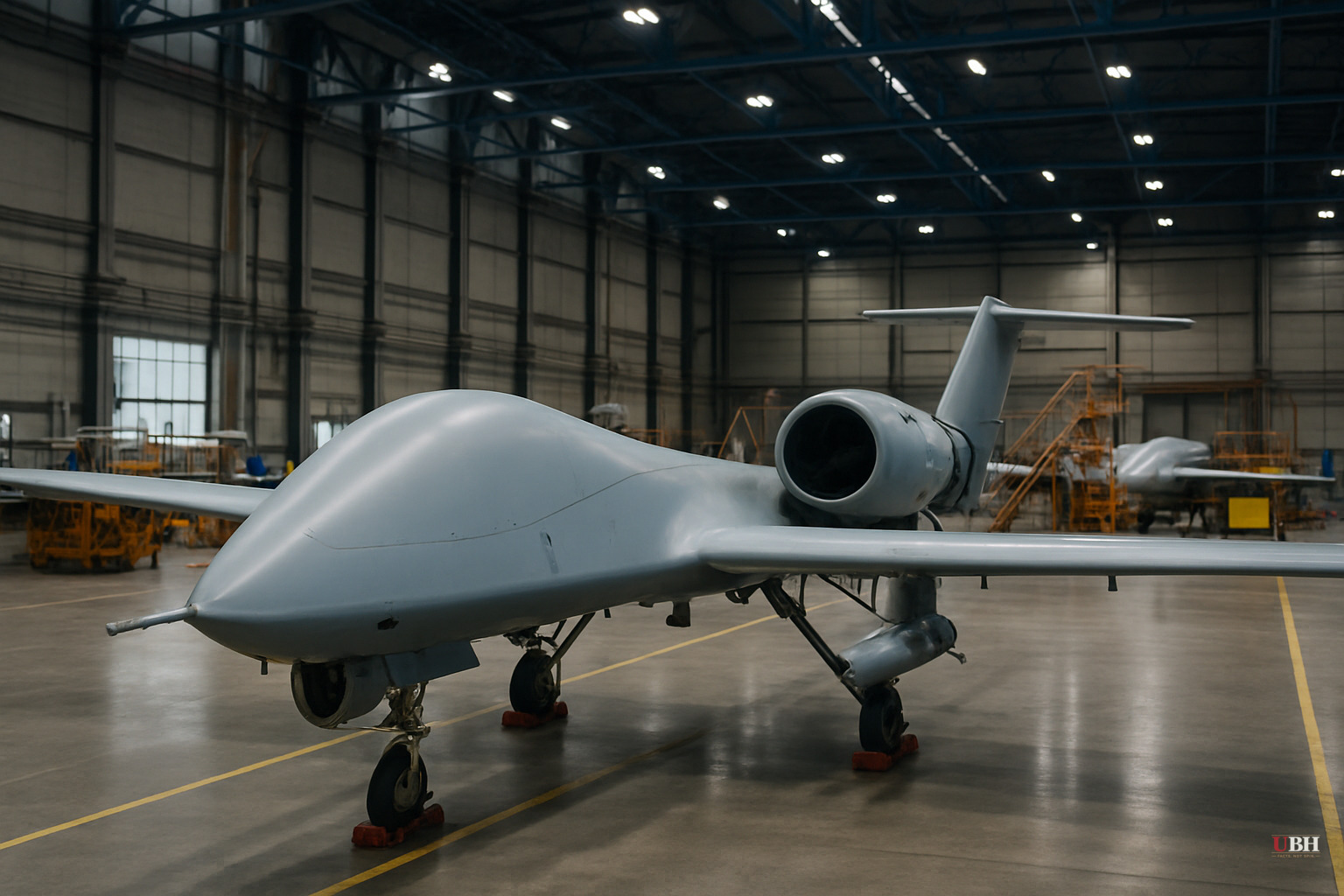
Since Ukraine's long-range drones reached an oil refinery in Omsk, Siberia — roughly 2,500 kilometers from Ukrainian territory — earlier this week, the drone campaign has continued without pause.
Overnight into Thursday, strikes hit an oil depot in Tver, another in Stavropol, an oil pumping station in Bashkortostan, and a marine loading terminal in Rostov, according to the Amsterdam-based Moscow Times. Multiple other impacts were reported across Russian territory.
Zelensky, speaking at the Ankara summit, put it plainly: essentially no place in Russia is safe. "Upgraded Fire Point drones have put Siberia within reach of Ukrainian precision," he said in a nightly address following the Omsk strike. "This is a significant blow to Russia's oil economy."
What Trump Said — and What Moscow Heard
Trump did not condemn the Ukrainian strikes. He called the Omsk attack "an escalation but also an escalation that can help lead to an end" of the war, according to reporting from ZeroHedge citing Kremlin-monitored NATO summit statements. He added that Putin "wants to end the war" and that Washington has "a lot of pressure on President Putin."
That framing, treating Ukrainian long-range strikes as leverage rather than a provocation to be managed, is precisely what alarmed Moscow.
Russian Foreign Ministry spokeswoman Maria Zakharova responded Thursday with a direct warning: "European elites are positioning themselves as leaders in the confrontation between the 'collective West' and our country." Her message to NATO governments was to "stop and think" before pushing the world toward a catastrophic confrontation with a nuclear-armed state.
Zakharova's statements are standard Kremlin messaging, and Moscow has issued variations of this warning repeatedly since 2022. But the specific timing—issued while drone fires were burning across four Russian regions simultaneously—gives the warning a different character than routine diplomatic boilerplate.
The Summit's Unexpected Mood
For most of the two days in Ankara, the atmosphere was tense. Trump had threatened to walk away from Iran ceasefire negotiations, criticized nearly every European NATO member for undershooting military spending targets, taken fresh aim at Denmark over Greenland, and given Spain particular grief for sitting at the bottom of the alliance's defense-spending rankings, according to CNBC's on-the-ground reporting.
Zelensky arrived uncertain of his standing with Washington, as he often does.
Then the mood shifted. By the time the closed-door sessions wrapped, multiple world leaders were privately telling CNBC that Trump had listened attentively to every ally in the room and left in a good mood. CNBC's correspondent, who has covered NATO summits and G20 meetings for 25 years, described the reversal as unlike anything in that experience. A summit that began bracing for confrontation ended, in the words of one participant, as a "love-in."
The Strongest Case for Caution
Russia's warning deserves to be read seriously on its own terms, not dismissed as propaganda. Ukraine is now striking oil refineries nearly 2,500 kilometers inside Russian territory. Those facilities feed the Russian war economy, but they are also civilian infrastructure. Critics of NATO's current posture, including some in Europe's own security establishments, argue that normalizing long-range strikes on Russian territory without a clear diplomatic off-ramp raises genuine escalation risk when the adversary possesses nuclear weapons. The concern is not that Putin is about to launch a nuclear strike. It is that a series of miscalculations, each individually justifiable, can compound into a crisis no one planned for.
That concern is fair. It is also a known variable that NATO governments have weighed repeatedly since 2022. The alliance's current position, treating Ukrainian strikes as legitimate pressure, reflects a deliberate judgment, not an oversight. Whether that judgment holds if Russian oil infrastructure losses accelerate is the open question.
What Remains Unresolved
Trump's assertion that Putin "wants to end the war" is unverified in any formal sense. No ceasefire framework is currently on the table as of July 10, and Iran's threats nearly derailed the summit before the diplomatic temperature dropped, per CNBC. QatarEnergy has already halted its LNG ramp-up in response to regional instability.
The concrete next pressure point: whether Russia responds to the four-region drone strike with anything beyond rhetoric, and whether the Kremlin's "stop and think" warning translates into any formal diplomatic communication to NATO governments or remains a public statement aimed at European domestic audiences.
Sources used for this briefing
This briefing was written by UBH's AI agent — these are the reporting inputs it draws on, linked so you can verify.


