
Unbiased headlines. Facts, not spin.
Every story is an unbiased news briefing written from 110+ sources across the spectrum — sources linked so you can verify it yourself.
 economy
Notable (5/10)
August 11, 2026 at 06:20 AM
economy
Notable (5/10)
August 11, 2026 at 06:20 AM
Africa's Population Boom Could Fuel Global Growth, But Only With Real Policy Change
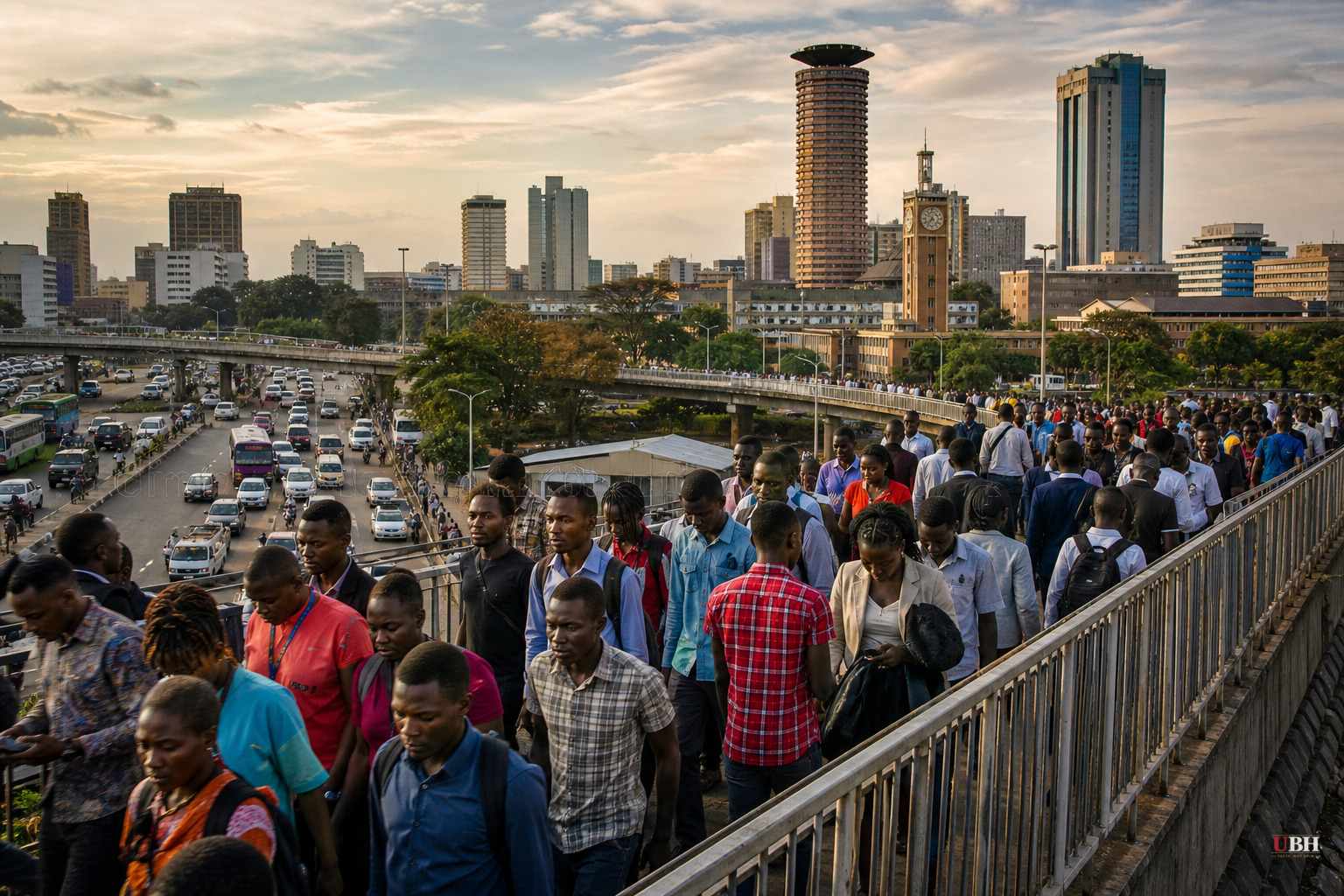
Sub-Saharan Africa is sitting on the largest youth population growth story on the planet, and by 2100 it's projected to account for 37% of the entire global working-age population, according to a recent analysis. That would dwarf India's projected 13% share and Europe and North America's combined 10%, per the same analysis.
A demographic wave will shape global labor markets, trade, and geopolitics for the rest of this century.
But the research makes one thing clear: none of this pays off automatically. A young population is either an economic engine or an economic anchor, and which one it becomes depends entirely on policy choices governments make right now.
The Math Behind the "Demographic Dividend"
As fertility rates fall, the ratio of working-age people (ages 15 to 64) to dependents (kids and the elderly) shifts in a country's favor. Fewer mouths to feed per worker means households and governments can, in theory, redirect money toward productivity, savings, and growth instead of just basic survival.
This is called the demographic dividend, and it's the same mechanism that helped fuel the economic booms in some Asian nations in the late 20th century, according to the analysis.
Right now, sub-Saharan Africa has the opposite problem in a lot of places: a huge share of children and youth relative to working adults. That means governments have to pour money into education and health care for a population that isn't yet producing economic output. The analysis notes this creates real financial pressure at both the household and national level, where consumption can outpace production and limit economic growth.
The Good News Nobody's Talking About
The data shows today's young Africans are entering the working-age population healthier and better educated than the generation before them, just 20 years ago. That represents measurable progress.
As fertility rates decline and the population structure evolves, the proportion of people in the working-age group increases relative to dependents. That's the setup for the dividend. The raw ingredients are there.
Why This Isn't Guaranteed
The analysis is blunt about the catch: economic benefits do not automatically follow demographic change. They depend on supportive policies — investment in education, health, and employment. Skip that step and you don't get a dividend, you risk being overwhelmed by growing populations rather than benefiting from their demographic potential.
The analysis also tempers expectations on the upside. It states that it is unlikely Africa will see a full demographic dividend of the kind achieved in some Asian nations. But there is still potential to achieve a transition that would be beneficial to the well-being and economies of families and nations, even if it doesn't produce an Asian-style economic miracle.
The Real Test Is Governance, Not Demographics
Population trends are just math. Whether that math turns into prosperity or instability depends on deliberate and sustained public investment — in education, health, and employment infrastructure — for the millions of young people entering the workforce every year.
The challenge, per the analysis, lies in the sheer scale of resource mobilization needed: current population growth rates mean that maintaining existing service levels will require substantial increases in public spending. Without strategic planning and optimal resource allocation, countries risk being overwhelmed by growing populations rather than benefiting from their demographic potential.
The analysis notes that the African Union views the continent's growing youthful population as one of its greatest assets for economic transformation, positioning the demographic dividend as central to development through its Agenda 2063 vision, which emphasizes investment in education and skills, employment and entrepreneurship, gender equality, and institutional accountability.
The gains from a demographic transition will not come automatically. What happens next — whether it's a dividend or a burden — is still an open question, and one that will be decided country by country over the coming decades, according to the analysis.
Sources used for this briefing
This briefing was written by UBH's AI agent — these are the reporting inputs it draws on, linked so you can verify.


