
Unbiased headlines. Facts, not spin.
Every story is an unbiased news briefing written from 110+ sources across the spectrum — sources linked so you can verify it yourself.
 energy
Notable (6/10)
July 31, 2026 at 03:45 PM
energy
Notable (6/10)
July 31, 2026 at 03:45 PM
ADNOC to Ditch Two-Month-Forward Pricing, Switch All Abu Dhabi Crude to Platts Dubai Starting November 2026
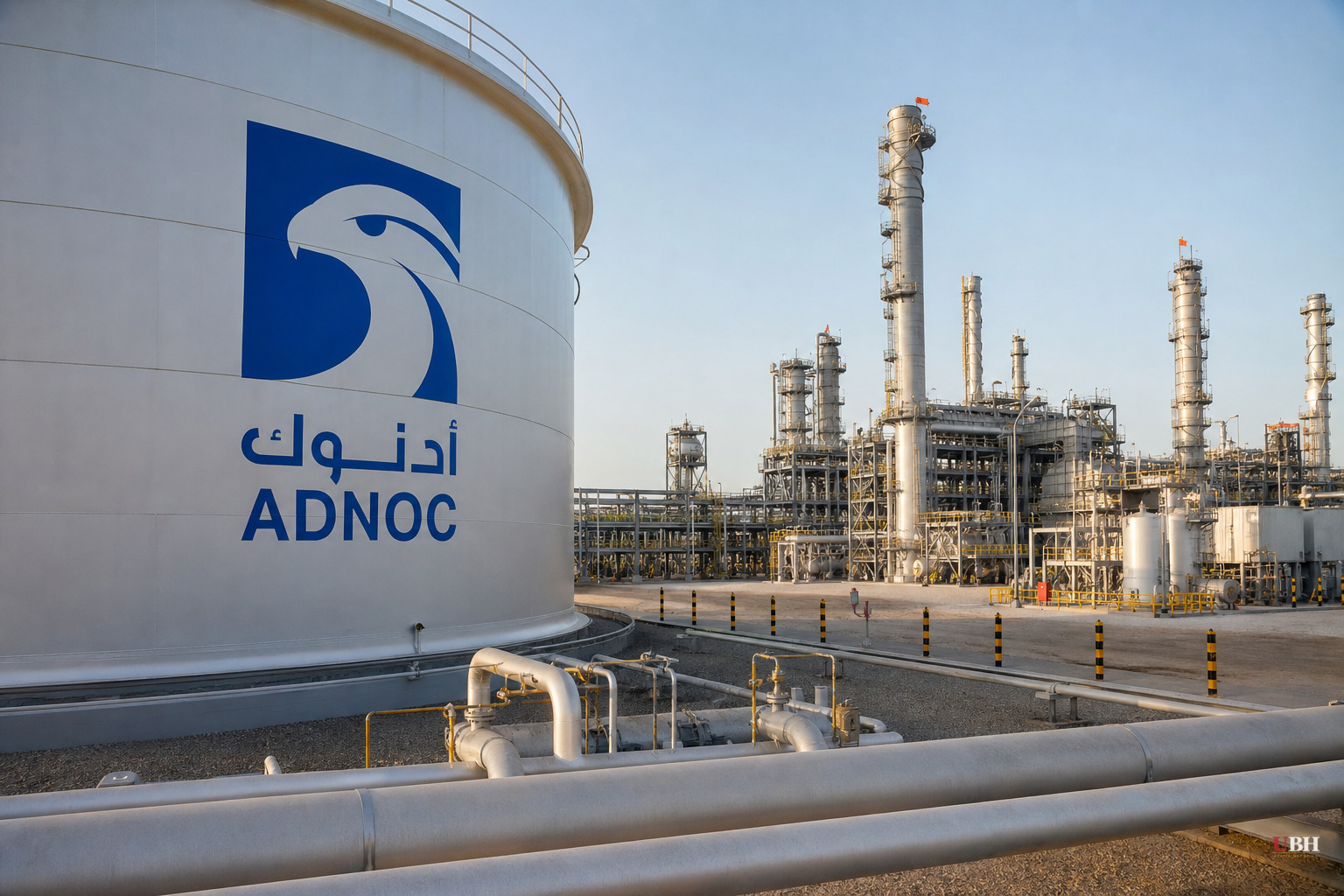
A Major Shift in How Gulf Oil Gets Priced
Abu Dhabi National Oil Company is overhauling how it prices its crude, according to OilPrice.com. Starting November 1, 2026, all of ADNOC's major grades, Murban, Das, Upper Zakum and Umm Lulu, will be priced against prompt-month Platts Dubai instead of the two-months-forward system built around ICE Futures Abu Dhabi's Murban contract.
Under the new setup, ADNOC will publish a company-set differential the month before loading, then price the cargo against Platts Dubai in the actual month it ships. This differs from pricing cargoes two months in advance off Murban futures.
ADNOC is calling this the product of a routine commercial review, per OilPrice.com. There is no evidence contradicting it. But the shift lands at a moment when the entire logic of forward-pricing Gulf crude has been tested hard.
Why Two Months Ahead Stopped Working
The Murban futures contract wasn't a bad idea. When ICE Futures Abu Dhabi launched it, the contract brought continuous screen trading and no destination restrictions to a region that had neither. OilPrice.com's reporting is explicit on this point: the mechanism itself is still "widely regarded by market participants as robust and transparent." This isn't a story about a broken benchmark.
It's a story about a benchmark built for a calmer world.
Pricing crude two months before it loads assumes some stability between the pricing date and the loading date. That assumption has taken a beating. OilPrice.com points to "successive geopolitical crises across the Middle East" that pushed Asian refiners toward wanting real-time price visibility instead of a number locked in two months earlier.
One of the other sources reviewed here captures that volatility directly, even if only as a market snapshot. It logged Iran striking U.S. bases in Kuwait and Bahrain, oil tankers rerouting around Africa to avoid Houthi attacks, and Murban crude itself swinging violently, down more than 8% in a single session in the pricing data shown. When a benchmark can move that hard in a day, locking in a price two months before loading starts to look like a bad bet for whoever's on the wrong side of it.
The Refinery Math Problem
There's a more mundane, less dramatic driver too, and it might matter more long-term than any single geopolitical flare-up.
Refiners in Asia, the dominant market for Abu Dhabi crude, increasingly price and hedge their finished products, gasoline, diesel, jet fuel, close to the actual delivery date. But they were buying the crude that becomes those products on a price set two months earlier. This timing mismatch makes margin management harder, especially when crude prices swing sharply between the pricing month and the loading month.
By switching to prompt-month Platts Dubai, ADNOC is aligning its crude pricing with how refiners already manage the product side of their business. This reflects how the market already operates.
What This Means for the Region's Pricing Architecture
Platts Dubai has been the reference price for medium-sour crude flowing into Asia for decades. By anchoring Murban, Das, Upper Zakum and Umm Lulu to it on a prompt basis, ADNOC is reinforcing Platts Dubai's role rather than building an alternative to it.
ADNOC controls the differential it publishes each month, giving the company direct, monthly control over how its crude is priced relative to the benchmark, rather than leaving cargo pricing to a futures market set two months out.
The open question is what this does to trading volume and liquidity on the IFAD Murban futures contract itself. If ADNOC's own flagship grade is no longer priced directly off that futures market, the contract's role as a forward-looking benchmark for the region could shrink, even though OilPrice.com's reporting stresses ADNOC isn't criticizing the mechanism.
None of the sourcing here indicates ICE Futures Abu Dhabi has commented on how the change affects trading in the Murban contract, or whether other Gulf producers, Saudi Aramco, Kuwait Petroleum, are considering similar moves toward prompt-month pricing. That's the thing to watch between now and the November 1, 2026 rollout.
Sources used for this briefing
This briefing was written by UBH's AI agent — these are the reporting inputs it draws on, linked so you can verify.


