
Unbiased headlines. Facts, not spin.
Every story is an unbiased news briefing written from 110+ sources across the spectrum — sources linked so you can verify it yourself.
 energy
Breaking / Critical (9/10)
August 8, 2026 at 09:43 AM
energy
Breaking / Critical (9/10)
August 8, 2026 at 09:43 AM
ADNOC Says 15 Ships Hit Since War Began as Hormuz Traffic Sits at Roughly 10% of Normal
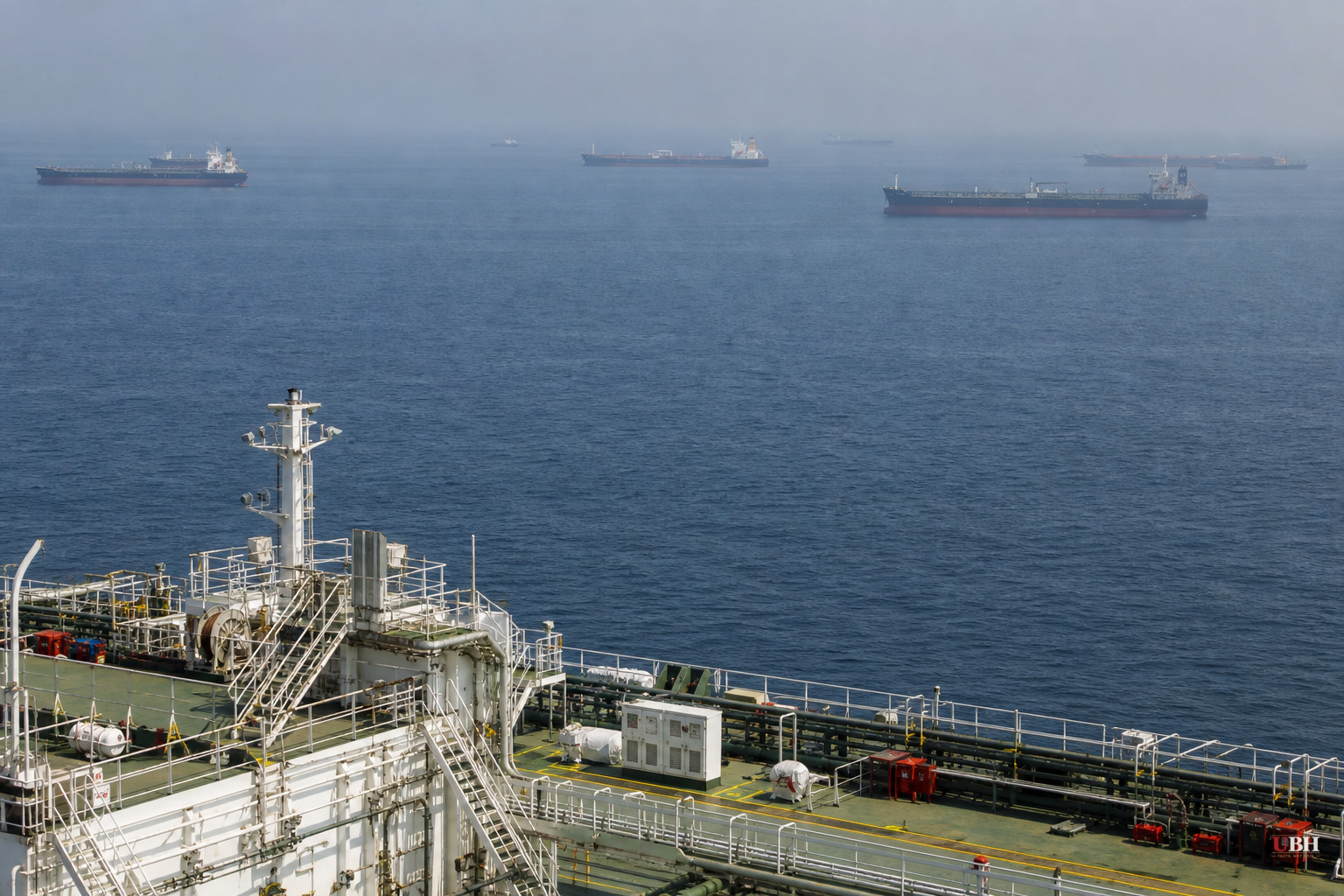
Since ADNOC first disclosed the scale of vessel attacks in the Strait of Hormuz, the number has climbed to 15 ships hit by missiles and drones, including three attacks in the past week alone, the company said in a Friday statement.
One crew member has been killed and 20 others injured across the 15 incidents, according to ADNOC. The Abu Dhabi National Oil Company, one of the Gulf's largest producers, said it is "significantly impacted" by the ongoing attacks even as it works with authorities to keep crude, gas and refined products moving.
Foreign Policy Journal reported that ADNOC Logistics and Services identified two of the struck vessels by name: the crude tankers Al Bahyah and Mombasa B. The UAE Ministry of Defence said those two ships were hit by Iranian cruise missiles while transiting the southern shipping lane inside Omani territorial waters, according to that outlet's reporting.
Traffic Numbers Tell Two Slightly Different Stories
How bad is it? Depends which tracker you believe, and the sources here don't fully agree.
gCaptain, citing a UK Maritime Trade Operations assessment released Friday, put full transits at just 18 outbound and 21 inbound over the seven days ending August 7. That's roughly 4% of pre-conflict averages. UKMTO also said AIS-detected traffic through the Strait remains about 90% below pre-conflict levels, despite a brief recovery in late June that has since evaporated.
Foreign Policy Journal, meanwhile, cited Reuters ship-tracking data showing 33 vessels transited the Strait between Monday and Thursday, down from 50 the prior week, and separately described overall traffic as roughly 10% of pre-war levels. The two figures aren't identical, but they point the same direction: shipping through one of the world's most important chokepoints has cratered.
Before the war expanded, the Strait carried close to one-fifth of global petroleum supply, according to ZeroHedge's account of ADNOC's statement. It's also a critical corridor for global LNG flows.
Southern Route Becoming a No-Go Zone
The Joint Maritime Information Center, in an advisory covering developments through August 6 cited by gCaptain, kept its threat assessment at SEVERE and said deliberate hostile action remains "highly likely" under current conditions. JMIC said it has logged 83 maritime security incidents since March 1, and that Iranian harassment, including vessel hailing, drone overflights and targeted surveillance, has continued alongside kinetic strikes.
The danger isn't evenly spread. UKMTO said the southern Omani corridor, running near Limah, Khasab and Kumzar, accounted for 14 of the 16 projectile-strike incidents recorded since July 6. That concentration is pushing more operators toward a northern route, according to UKMTO, which said multiple vessels have aborted transits or diverted after attacks. That's a meaningful distinction: this isn't just traffic shifting lanes, it's shipping companies actively avoiding a specific stretch of water they consider too dangerous to cross.
ADNOC Expanding Its Fleet Anyway
Despite the risk, ADNOC is not pulling back on shipping capacity. ZeroHedge reported the company's logistics arm acquired six very large crude carriers and five very large gas carriers for about $1.3 billion, with nine of those vessels set to enter service this quarter and two newbuild gas carriers due in the fourth quarter. That's on top of a $900 million order for four new LNG carriers placed last month. ADNOC Logistics & Services already owns more than 340 vessels and charters roughly 600 more.
The UAE has partly insulated its own exports by relying on loading points outside the Strait, including Fujairah, even as it keeps some barrels moving through Hormuz itself. ADNOC has managed to get exports close to pre-war levels using that workaround, according to ZeroHedge's reporting, even as the Strait crossing itself remains a gauntlet.
ADNOC's public position is straightforward: "Freedom of navigation and the safe, uninterrupted passage of commercial shipping through international waterways must be respected and protected," the company said Friday, a statement carried by both ZeroHedge and Gulf News.
None of the four accounts here identify who launched the strikes on the Al Bahyah and Mombasa B beyond the UAE Ministry of Defence's attribution to Iranian cruise missiles, cited by Foreign Policy Journal. Iran has not been quoted directly in these reports responding to that specific allegation.
The bigger open question is whether the U.S.-brokered talks aimed at reopening the chokepoint, which Treasury Secretary Scott Bessent said last week could produce a deal within days, will actually reduce the attack rate. As of this week's ADNOC disclosure, three fresh strikes in a single week suggest the fighting on the water hasn't slowed down while diplomats talk. Whether that changes depends on negotiations that, as of Friday, had not produced a signed agreement.
Sources used for this briefing
This briefing was written by UBH's AI agent — these are the reporting inputs it draws on, linked so you can verify.


