
Unbiased headlines. Facts, not spin.
Every story is an unbiased news briefing written from 110+ sources across the spectrum — sources linked so you can verify it yourself.
 energy
Notable (6/10)
July 31, 2026 at 01:20 PM
energy
Notable (6/10)
July 31, 2026 at 01:20 PM
ADNOC Buys Five Supertankers for $590 Million as Hormuz Tensions Squeeze Shipping
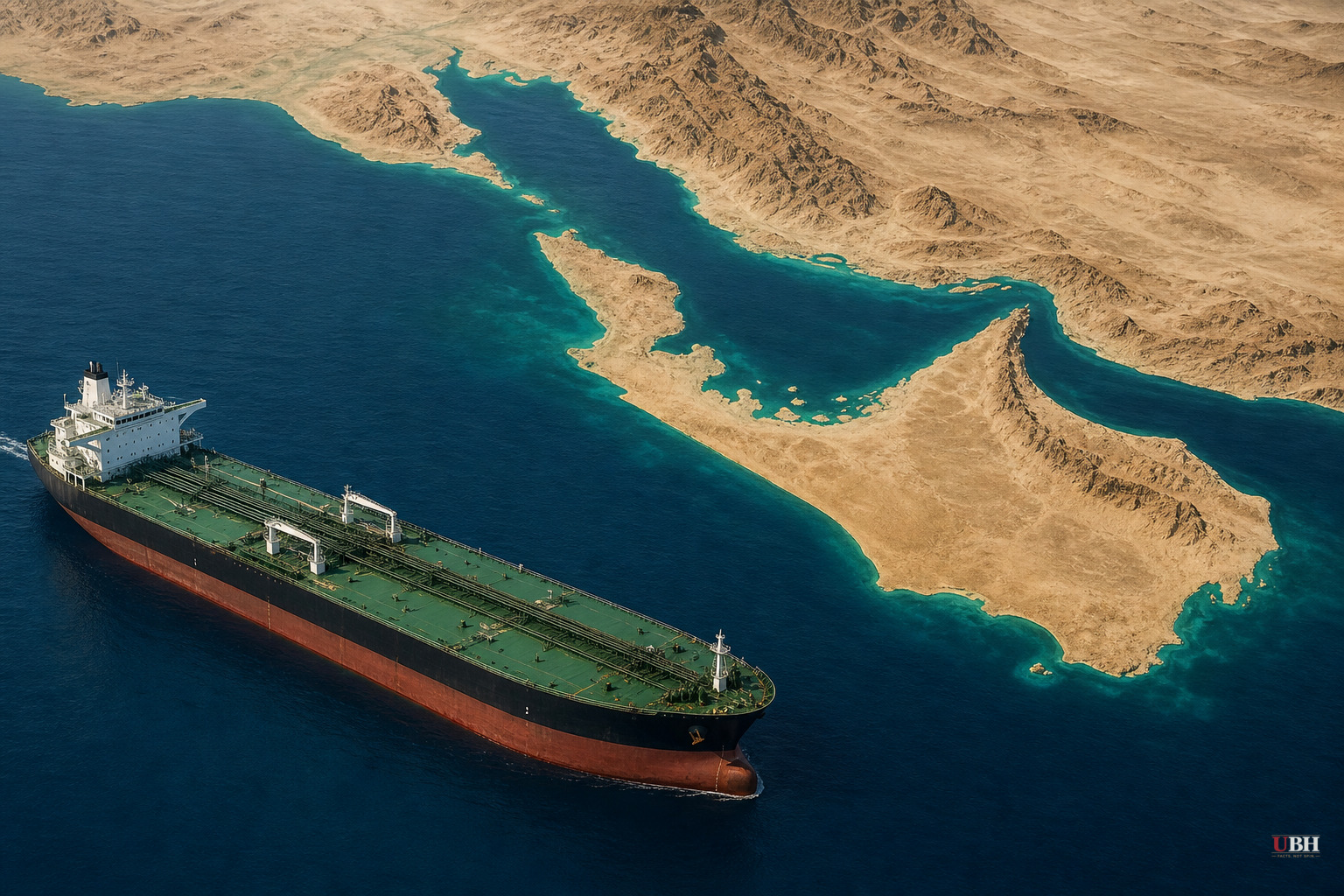
Abu Dhabi National Oil Company has purchased five very large crude carriers, known as VLCCs, for approximately $590 million, according to Reuters. The deal gives ADNOC direct control over a chunk of the tanker fleet it needs to move crude out of the Persian Gulf at a moment when that route is under strain.
The Strait of Hormuz is a critical shipping route for Gulf oil exports. Tensions tied to the broader Middle East conflict have tightened vessel supply and stalled shipping traffic through the strait, according to OilPrice.com.
That kind of pressure is already showing up elsewhere in the region: six Saudi oil tankers have rerouted around Africa to avoid a Houthi threat, according to OilPrice.com.
ADNOC buying its own VLCCs outright is a hedge against that same squeeze. Owning the ships means the company has more control over its shipping capacity rather than relying entirely on outside vessel supply during a period when that supply has tightened.
Why ADNOC, why now
The UAE has exited OPEC as part of a push to boost its own oil production and exports, according to the pakgold report citing Reuters. Controlling more of its own logistics chain, from wellhead to tanker to customer, fits that broader strategy.
Buying five VLCCs at once for $590 million signals ADNOC wants more direct control over its crude delivery capacity as vessel supply through the region stays tight.
The bigger supply picture
Markets are already pricing in some of this uncertainty. Murban crude, the UAE's own benchmark, was down more than 8% in one recent price check, a swing far bigger than the moves seen in WTI or Brent crude the same day. That kind of volatility in a single benchmark reflects how jumpy regional pricing has gotten.
Meanwhile Brent and WTI have both been climbing, up over 1.5% and 2% respectively in recent trading, consistent with a market pricing in supply risk. Shippers and producers aren't waiting around to find out what happens next. BP has reportedly put its North Sea oil business up for sale, and Japan has been reported to have enough LNG to avoid summer power shortages, both signs that energy players across the board are hedging against a rougher stretch ahead, according to OilPrice.com.
What's actually proven versus what's assumed
What's confirmed: ADNOC bought five VLCCs for about $590 million, according to Reuters as reported by both OilPrice.com and pakgold. Also confirmed: shipping traffic through Hormuz has tightened and vessel supply has stalled, per OilPrice.com's reporting, and Saudi tankers have taken longer routes around Africa to avoid Houthi attacks.
What's not established in these reports: any specific timeline for when or whether Hormuz traffic could face a full disruption, or exactly which shipping companies are pulling out of the region versus just adjusting operations. The reporting describes a tightening market and a defensive purchase, not a confirmed blockade or an official warning of imminent closure.
The next measure of this story is whether other national oil companies follow ADNOC's lead and start buying rather than chartering. If other Gulf producers make similar moves, that would suggest this isn't a one-off hedge but a broader signal that Gulf producers expect Hormuz-related risk to stick around.
Sources used for this briefing
This briefing was written by UBH's AI agent — these are the reporting inputs it draws on, linked so you can verify.


