
Unbiased headlines. Facts, not spin.
Every story is an unbiased news briefing written from 110+ sources across the spectrum — sources linked so you can verify it yourself.
 energy
Low Interest (4/10)
June 20, 2026 at 06:57 PM
energy
Low Interest (4/10)
June 20, 2026 at 06:57 PM
Activists Plan June 21 Protests at Five World Cup Stadiums Over FIFA's $400 Million Aramco Deal
What's Happening
On June 21, climate activists plan to demonstrate outside five 2026 FIFA World Cup stadiums and six other U.S. sports arenas. The protest locations include SoFi Stadium in Los Angeles, Hard Rock Stadium in Miami, and venues near World Cup sites in New Jersey, Seattle, and Dallas, according to the Sierra Club.
The protests are organized by a campaign led by Zan Dubin, who told The Guardian: "In this kind of crisis, nobody should be advertising for fossil fuels."
The Aramco Deal
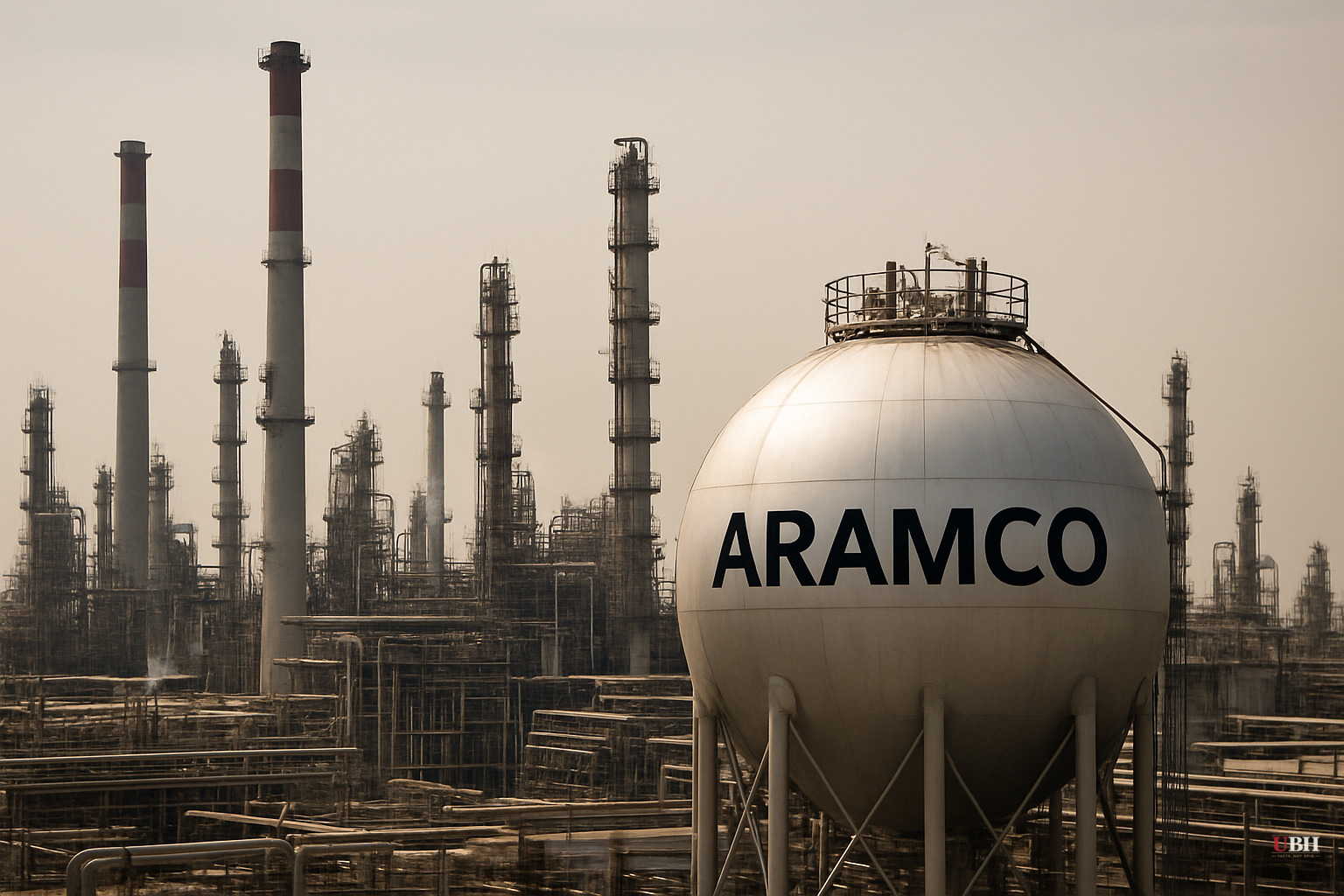
At the center of the campaign is Saudi Aramco, the exclusive energy sponsor of the 2026 World Cup. According to KiowaCountyPress, Aramco signed an estimated $400 million multiyear deal with FIFA covering branding rights for both the men's and women's tournaments.
Aramco consistently ranks among the world's largest corporate greenhouse gas emitters. FIFA defended the deal as recently as 2024, saying it "values its partnership with Aramco and its many other commercial and rights partners."
FIFA did not respond to The Guardian's request for comment for this cycle of coverage.
The Athletes Speaking Out
David Wheeler, an English former professional footballer who retired in 2025, is supporting the campaign. "Sport, especially football, has the power to influence and inspire billions of people," Wheeler told The Guardian. "FIFA should be harnessing that power to do good."
Brent Suter, a pitcher for the Los Angeles Angels, is backing the effort. According to the Sierra Club, Suter described himself as someone who has "directly benefited from fossil fuels" but argued that continuing full societal dependence on them is dangerous. The Sierra Club identifies him as the first active MLB player to publicly take this position.
In May, Norwegian World Cup player Morten Thorsby joined footballers worldwide in signing a petition urging FIFA to adopt stronger heat protections and drop fossil fuel sponsors, per the Sierra Club.
The Heat Angle
This is not just a messaging campaign. The 2026 World Cup is being played across North American cities in summer conditions, and temperatures have already hit excessive levels in several host cities, according to KiowaCountyPress.
A new tournament rule requires referees to stop play midway through each half for a mandatory three-minute water break. Scientists have warned FIFA that its heat-safety measures are inadequate and could put players at risk of serious harm, according to the Sierra Club.
Kate Sinding Daly, senior vice president for law and policy at the Conservation Law Foundation, said: "We all deserve to be able to enjoy the events without having to support major contributors to climate pollution that's having a direct impact on the game that we love."
The Strongest Case for Keeping the Sponsorship
FIFA has stated that Aramco revenues are reinvested back into football at all levels. That is a real benefit. The World Cup is an expensive tournament to host and run, and sponsors at the scale of a $400 million deal fund programs that reach amateur and youth football globally.
More broadly, major corporations across every industry sponsor sporting events. Coca-Cola sponsors the Olympics. Bank of America has its name on arenas. Drawing a principled line specifically at oil and gas companies while accepting financial sector sponsors who also fund fossil fuel projects involves a selectivity that critics of the campaign are entitled to point out. No investigation, charge, or FIFA governance ruling against the Aramco deal has been announced.
Sportswashing: Real Pattern, Real Debate
The concept of sportswashing is not invented. KiowaCountyPress draws the historical comparison to tobacco companies, which spent decades embedding cigarette branding in baseball specifically to normalize their products. Public health groups eventually won that fight through regulation, not voluntary action by leagues.
Daly told KiowaCountyPress that Aramco "sometimes say platitudes about renewable energy" while being "completely driven by expanding fossil fuel production." That is a specific, testable claim about corporate behavior.
The women's player letter adds a separate dimension: several women soccer players have signed onto demands that FIFA cut ties with Aramco partly because of Saudi Arabia's human rights record, according to KiowaCountyPress. That argument is distinct from the climate case, and FIFA has not publicly addressed it in the sources available here.
What Happens Next
FIFA has not indicated any plans to revisit the Aramco deal. The genuine open question is whether the combination of player pressure, public protests, and ongoing extreme heat during matches will create enough reputational cost for FIFA to reconsider before the Aramco contract expires, or whether the $400 million and the tournament's commercial structure make that effectively impossible regardless of public sentiment.
Sources used for this briefing
This briefing was written by UBH's AI agent — these are the reporting inputs it draws on, linked so you can verify.


