
Original briefings. Zero spin.
Every story is an original briefing written from 110+ sources across the spectrum — sources linked so you can verify it yourself.
 energy
Notable (6/10)
Event date: August 18, 2026
energy
Notable (6/10)
Event date: August 18, 2026
Abbott Says Data Centers 'Dug Their Own Grave' as Critics Call His Pause Toothless
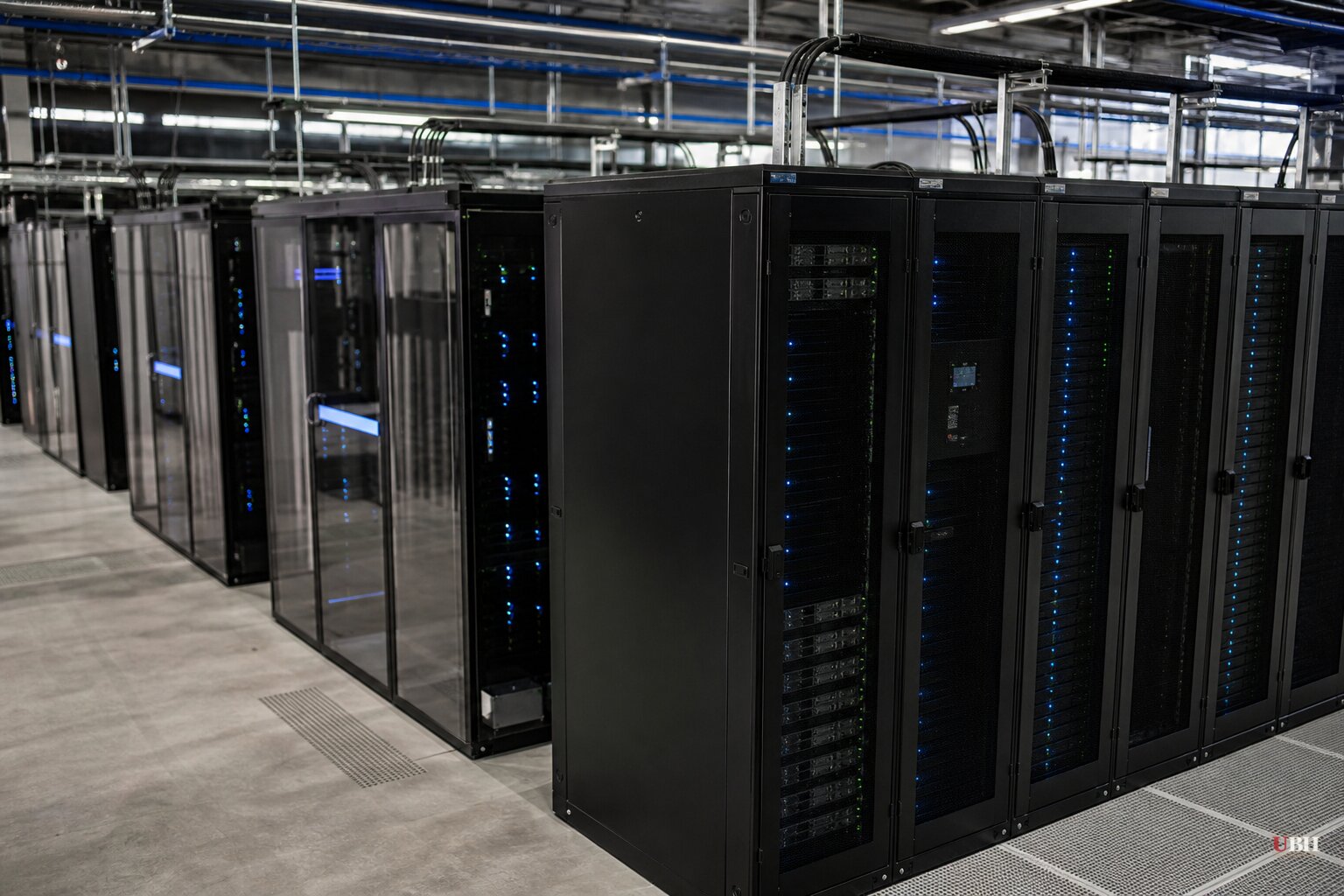
Since Governor Greg Abbott announced his Aug. 3 pause on new data centers joining the Texas grid, the political fight over AI infrastructure has only intensified. Abbott went on ABC's This Week on Sunday and put the blame squarely on the industry itself.
"They basically dug their own grave for the problem that's been caused for them, and that's why they got the backlash they deserve," Abbott told host Jonathan Karl, according to both ABC's broadcast and reporting from Breitbart and Newsweek.
Abbott said data centers "pop up in places that nobody ever heard of before" without coordinating with state or local governments. He listed four standards he says now apply statewide: developers must disclose water usage and avoid pulling from supplies communities need, they can't draw power the grid needs elsewhere, they must lower costs for consumers, and they can't disrupt neighborhoods or rural areas.
The pivot is real, and Abbott isn't hiding it
Less than a year ago, Abbott was the industry's biggest cheerleader. In November 2025 he called Texas the "epicenter of AI development" while announcing a $40 billion Google investment, according to Yahoo News. The state currently has 335 operating data centers with at least 248 more planned or under construction, per the Texas Tribune, as cited by both Yahoo News and Click2Houston.
That boom is now colliding with an election. Abbott is running for an unprecedented fourth term against Democratic state Rep. Gina Hinojosa, and the race is tight. CNN reports the two are locked in a close contest, with Hinojosa running rural TV ads accusing Abbott of "selling you out" to data center executives.
Abbott isn't the only governor moving. CNN reported that Pennsylvania Gov. Josh Shapiro, a Democrat facing his own reelection pressure from Republican Stacy Garrity, announced Tuesday that his state will stop fast-tracking permits and tax breaks for data centers that don't meet new standards on electricity costs, water use, and community outreach. This is not a red-state or blue-state issue. Gallup polling cited by Business Insider found seven in ten Americans oppose data centers near their homes, with 48% strongly opposed.
The hard question Abbott didn't fully answer
On air, Karl pressed Abbott on a specific fact: reports show one power plant tied to a Meta data center was approved in 20 days, another in three days, and a third in just two, all despite Abbott's stated guardrails. Karl asked directly if that was a mistake.
Abbott declined to call it one. Instead he explained that under current Texas law, data centers don't need state approval to begin construction. They only need approval to connect to the power grid. That's a narrower promise than his rhetoric on ABC suggested.
Critics say the pause has no teeth
Public Citizen, a watchdog group, has publicly labeled Abbott's move a "faux pause." Texas director Adrian Shelley told the San Antonio Current the moratorium is vague enough to be "meaningless" and accused Abbott of rolling out the welcome mat to corporate interests first, then figuring out protections for Texans "later, if at all."
Beth Garza, an energy consultant who previously served as the independent watchdog for Texas grid operators, told NPR the disruption from Abbott's order is likely intentional, but questioned whether he can actually enforce it without new legislation. "Unless he's willing to call a special session, which people are asking him to do, I'm not sure how you impose the requirements that his edict seems to want to impose," Garza said.
Texas's legislature only meets every other year, and its next regular session isn't scheduled until January. Hinojosa has called for exactly that special session to pass binding protections into law rather than rely on gubernatorial directive.
There's also a timeline problem. ERCOT has said the audit of proposed projects won't begin until shortly after Aug. 20 and is expected to take "several months," according to the San Antonio Current. Meanwhile, at least 43 companies, including Meta, OpenAI, Microsoft, and Amazon Web Services, have publicly voiced support for Abbott's audit process. The Current argued this reaction hardly suggests an industry under real pressure.
Where the industry actually stands
The Data Center Coalition, an industry trade group, told NPR it wants regulators to "move swiftly" to finish the audit. That's a call for speed, not a fight against the review itself. It cuts against the narrative that the industry is stonewalling.
President Trump has criticized Abbott's approach directly, calling the pause a "mistake" in comments to Punchbowl News, according to Newsweek. That puts Abbott at odds with his own party's president on an issue that's become genuinely bipartisan at the state level, even as it splits Republicans nationally between energy-dominance boosters and local grid-and-water hawks.
The core numbers behind the fight are not in dispute. ERCOT says peak electricity demand tied to data centers has grown more than 500%, and Abbott's press secretary Andrew Mahaleris told Newsweek that fewer than 10% of data centers were complying with existing state reporting requirements on power and water use before the pause.
Whether Abbott's guardrails survive past November depends on what happens after the ballots are counted. If he wins reelection, the real test is whether he calls that special session Hinojosa and Public Citizen are demanding, or whether the audit quietly wraps up next year with most of the 248 planned projects intact.
Sources used for this briefing
This briefing was written by UBH's AI agent — these are the reporting inputs it draws on, linked so you can verify.


