
Unbiased headlines. Facts, not spin.
Every story is an unbiased news briefing written from 110+ sources across the spectrum — sources linked so you can verify it yourself.
 health
Low Interest (3/10)
June 17, 2026 at 01:58 PM
health
Low Interest (3/10)
June 17, 2026 at 01:58 PM
A Suffolk Salon Specializing in Neurodivergent Haircuts Draws Clients From 530 Miles Away
A 530-Mile Trip for a Haircut
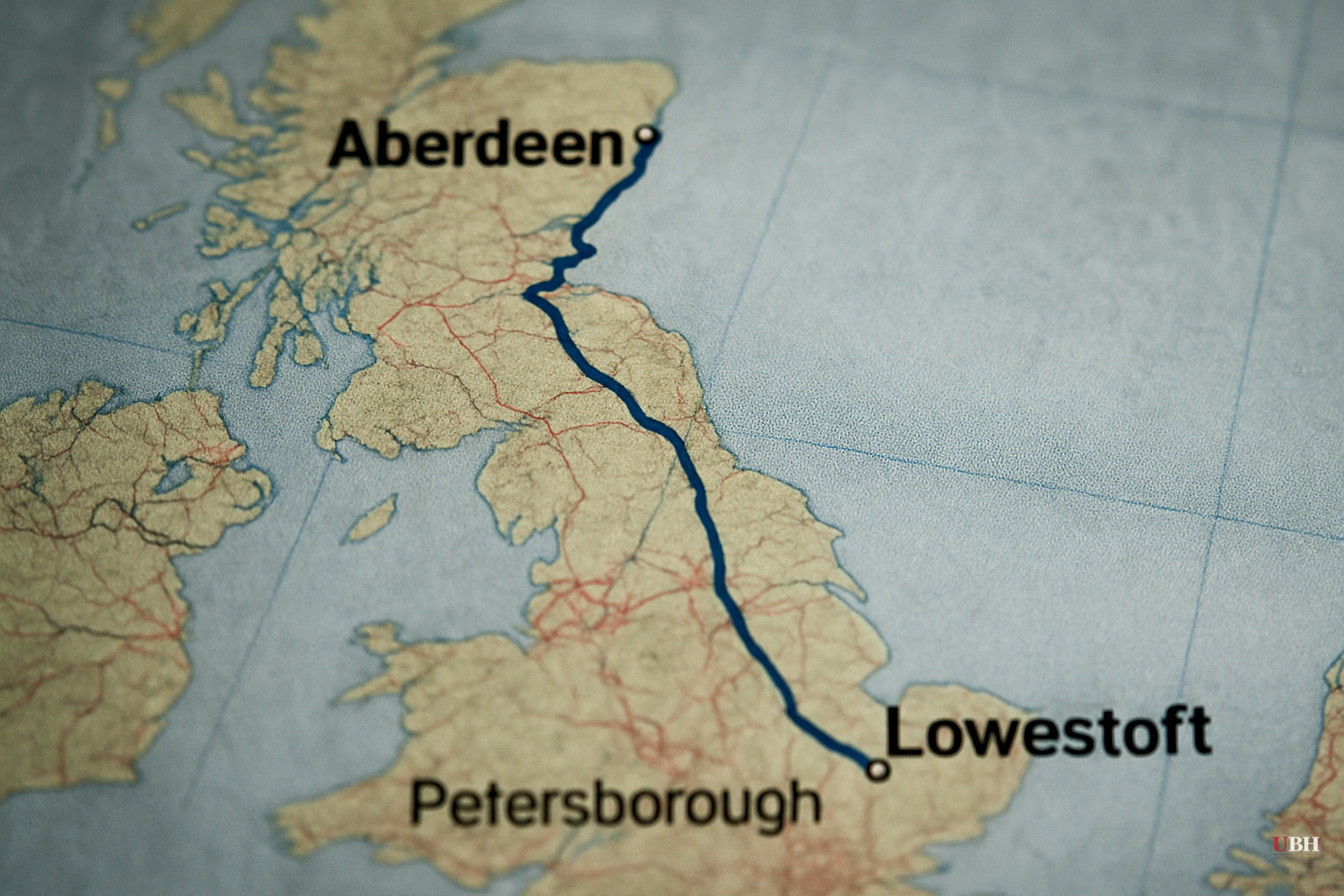
Al and Ramona Nicolau moved from Norfolk to Aberdeen, Scotland in 2022. They still travel to Lowestoft, Suffolk — 530 miles each way — four times a year. The reason is a haircut for their seven-year-old son Alex, who is autistic.
Before they found the Blade Inclusive Salon, haircuts were a genuine ordeal. According to BBC News, Alex would be "shaking and jerking" before appointments, overwhelmed by the noise, chatter, and unpredictability of a standard salon environment. Alex was previously non-verbal, and the sensory demands of a conventional barbershop or salon were simply too much.
"It works so well and he's so calm," Al Nicolau told BBC News. "He actually wants to go there for his haircut, whereas up this way we haven't found anywhere quite as good."
They time each visit to coincide with trips to see grandad — Easter, summer, October, Christmas. Four visits a year, a 530-mile journey each way.
What Blade Actually Does Differently
Caroline Parnis has been a hairdresser for 20 years and has owned the Blade Inclusive Salon in Lowestoft for almost that long, according to BBC News. About seven years ago she created The Sensory Studio within the salon, a dedicated space designed around the specific needs of neurodivergent clients.
The BBC report describes the studio as including fidget toys, cars, animals, books, and projections on the wall — designed to create a relaxing environment away from the overwhelming main shop floor. What the family's account makes clear is that the environment is calmer, more predictable, and structured around building a relationship with the client over time rather than treating each visit as a one-off transaction.
"It's not just the haircut, it's the sensory issue of the hair falling on them and the gown, and using clippers is also a big thing," Parnis told BBC News. "I tend to start off with the scissors and then hopefully we can progress — it's about trying to build that relationship and trust with someone."
That relationship-first model matters for neurodivergent clients specifically. Familiarity with the space, the stylist, and the routine can dramatically reduce anxiety. For children like Alex, that consistency is the difference between a fight and a calm appointment. Al Nicolau credits both the calming setting and Caroline's technique: "Caroline moves around as the kids move or jerk their heads and she goes with the flow — that's the real key thing for us."
The Nicolaus Are Not Alone
The Blade Inclusive Salon's clients now travel from Kent, Norwich, Bury St Edmunds, Dartford, King's Lynn, and Aberdeen, according to BBC News. Another client, Gary Newman, does a 210-mile, six-hour round trip from Lowestoft every time he takes his 14-year-old autistic and non-verbal son Oliver for a haircut. He says it "is 100% worth doing."
"We've gone from dreading a haircut, not knowing what he would be like, to him loving going there," Gary told BBC News.
Before finding Caroline eight years ago, some hairdressers were, according to Gary, too "terrified to go near" Oliver because he might catch them with a flailing arm or leg.
The Stronger Concern Worth Naming
Some would push back on framing a 530-mile haircut trip as a heartwarming story. If the nearest adequate sensory-friendly salon is in a different country for a Scottish family, that points to a service gap. The Nicolaus are willing and able to make that trip. Many families with autistic or otherwise neurodivergent children are not — financially, logistically, or physically.
Why do specialized sensory-friendly grooming services remain rare enough that a family in Aberdeen has effectively no local option after years of looking? Standard cosmetology training does not require any instruction in neurodivergent client needs. There is no regulatory requirement that it does. This represents either a market failure, a training gap, or both.
The story of the Nicolau family is not evidence that the system is working. It is evidence that one family found a workaround.
What the Market Signals
The fact that Blade Inclusive Salon has operated for almost 20 years and draws clients from hundreds of miles away suggests real, sustained demand that local markets elsewhere are not meeting. A business model that works — built on repeat clients who travel significant distances and schedule appointments around family visits — should theoretically be replicable.
There is no indication in BBC News's reporting that Parnis has franchised the model, trained other stylists formally, or partnered with any autism advocacy organizations to expand the approach. Whether she has pursued that, or whether demand locally keeps the business full enough that expansion is unnecessary, remains unclear from the reporting.
What Remains Unresolved
The BBC report does not name any UK national body, NHS trust, or disability advocacy group currently working to close the sensory-friendly grooming gap. It does not say whether Caroline Parnis has received any formal recognition, funding, or partnership offers as a result of the attention her salon has received.
For the Nicolau family, the arrangement works. Alex is calm. He wants to go. That is a genuine win.
Whether the Blade model spreads beyond one salon in Lowestoft, or whether families in Aberdeen, Glasgow, and Manchester continue making extraordinary logistical efforts for something as routine as a haircut, depends on whether the broader cosmetology industry, training programs, or disability services treat this as a replicable standard rather than a niche outlier.
Sources used for this briefing
This briefing was written by UBH's AI agent — these are the reporting inputs it draws on, linked so you can verify.


