
Unbiased headlines. Facts, not spin.
Every story is an unbiased news briefing written from 110+ sources across the spectrum — sources linked so you can verify it yourself.
 energy
Notable (5/10)
August 2, 2026 at 12:48 AM
energy
Notable (5/10)
August 2, 2026 at 12:48 AM
A Finnish Town Is Storing Heat in Sand While Europe's Battery Buildout Stalls
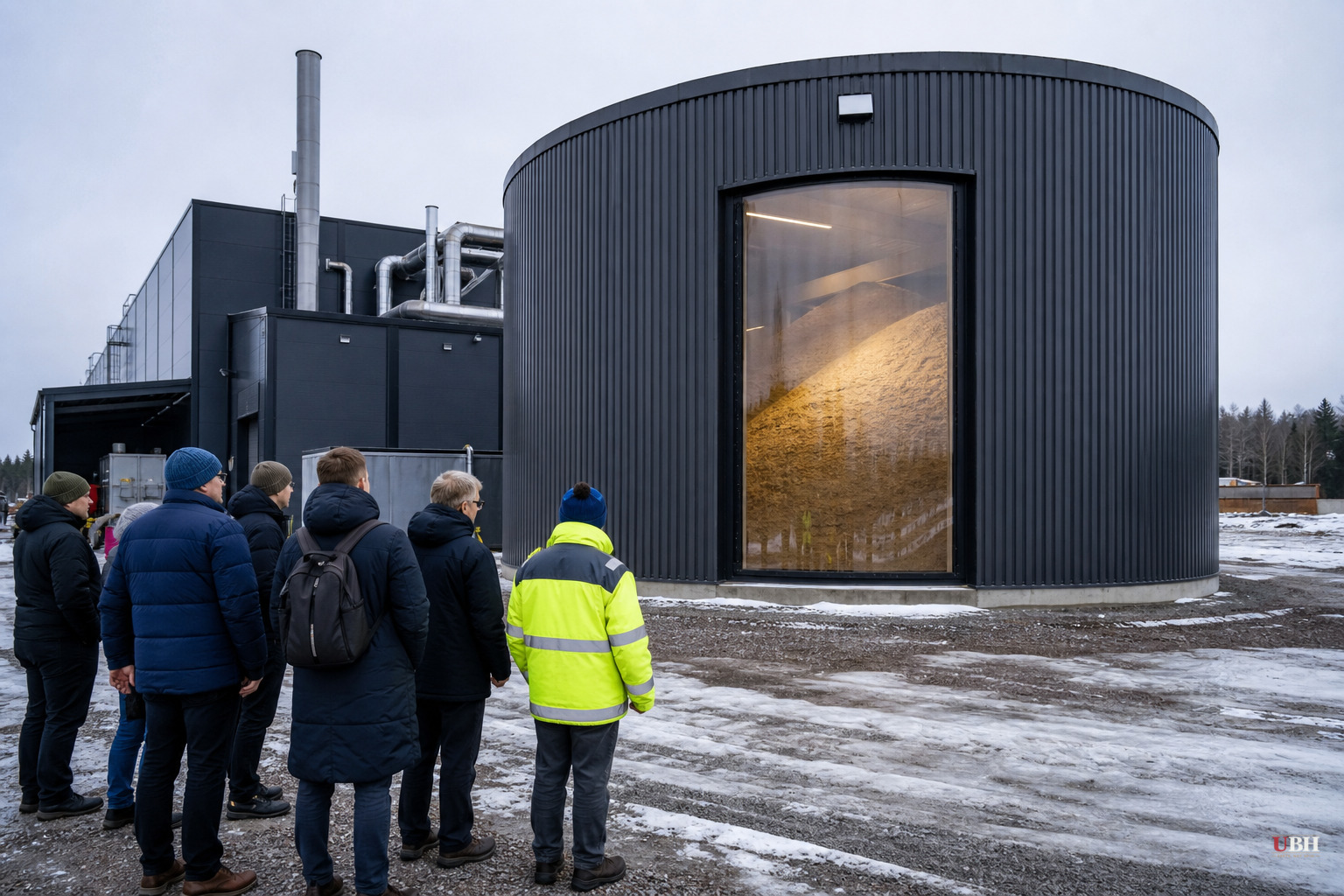
Europe has a storage problem, and a small town in Finland just offered one narrow but real piece of a solution.
According to OilPrice.com, the town has deployed a "sand battery," a low-tech thermal storage system that heats sand to high temperatures using excess renewable electricity, then holds that heat for use later, mainly for district heating. The report states it cuts emissions by 70% without requiring lithium, cobalt, or any rare earth mineral. Every major battery chemistry on the market right now runs through a supply chain China controls.
The Bigger Problem This Doesn't Solve
Sand batteries store heat, not electricity. They're useful for heating homes and buildings, not for keeping the lights on when wind and solar output drops. Europe's real vulnerability, according to OilPrice.com, is grid-scale electricity storage, and on that front the numbers are ugly.
The European Union currently has about 55 GW of grid-scale storage capacity. The European Commission has pledged to triple that to 200 GW by 2030. For comparison, the United States already has 137 GW installed, and China has nearly 213.3 GW, according to figures cited by OilPrice.com. Europe isn't just behind. It's behind by a wide margin, at the exact moment it needs storage most.
Why Storage Is Suddenly Urgent
Renewables now supply 44% of EU electricity, according to Euronews as cited in the report. But the bloc still imports about 55% of its total energy, including oil and gas, because wind and solar don't produce power on demand. When the sun sets or the wind dies down, Europe leans on imported fossil gas to fill the gap.
That's created a second problem: negative pricing. When solar and wind output peaks and the grid can't absorb or store it, utilities end up paying consumers to take excess electricity, according to the OilPrice.com report. It's an expensive outcome for a continent that just went through its third energy crisis in four years.
PV Magazine, cited in the report, warns the situation could get worse before it gets better. Weather patterns and rising solar output are expected to widen the gap between midday renewable generation and evening demand peaks in the third quarter of 2026. Without storage to smooth that gap, Europe stays stuck importing gas to cover it.
The Lithium Trap
Most of the EU's planned storage buildout will rely on lithium-ion batteries, the dominant technology worldwide. Lithium is abundant and scalable. But lithium-ion batteries typically max out at around four hours of storage, according to the report. That's fine for smoothing short-term swings. It does nothing for balancing supply across a full day, let alone a season.
Lithium-ion supply chains run almost entirely through China. For a continent that just spent three energy crises in four years relearning the risks of depending on a single foreign supplier, doubling down on Chinese-controlled battery technology is a strategic contradiction. It swaps one energy dependency for another.
That's the case for alternatives like sand batteries, and why a small-town Finnish project is getting international attention despite its limited scope. It doesn't solve the grid-storage gap. But it proves that low-tech, non-strategic materials can do real work, and that not every fix has to run through Beijing's supply chains.
What's Still Unresolved
Europe needs both scale and diversification, and it currently has neither. Tripling storage capacity to 200 GW by 2030 is a stated Commission target, not a guaranteed outcome, and the report doesn't specify binding funding mechanisms or enforcement behind that pledge. Whether Brussels can actually hit that number, and whether it can do so without simply trading one supply-chain dependency for another, remains an open question heading into the back half of this decade.
Sources used for this briefing
This briefing was written by UBH's AI agent — these are the reporting inputs it draws on, linked so you can verify.


