
Unbiased headlines. Facts, not spin.
Unbiased Headlines is an independently owned news organization. We bring you the facts, not opinions, written fresh from 110+ named sources. Sources linked so you can verify it yourself.
 economy
Notable (5/10)
economy
Notable (5/10)
A Chicago Bakery's $1,700 Dry Ice Bill Shows How Weather Now Hits Company Balance Sheets
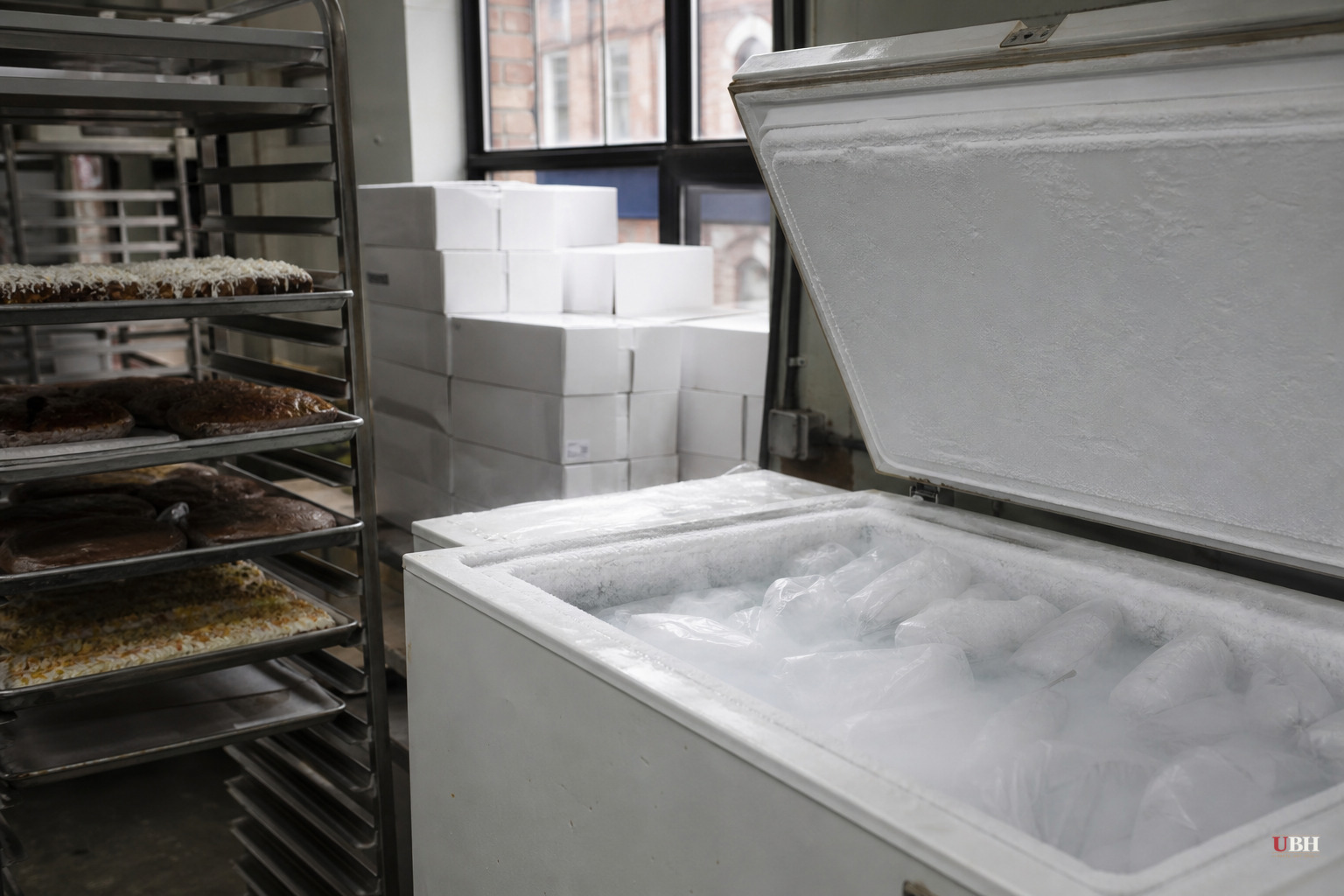
A bakery owner in Chicago lost a batch of inventory and paid $1,700 for dry ice after a storm knocked out power, according to The New York Times. A Tuesday power outage cost a small business real money.
Multiply that by every business dealing with heat waves, storms, wildfires and heavy rain, and you get what the Times describes as a growing line item on American balance sheets: weather.
The Costs Are Piling Up in Ordinary Ways
This isn't just about catastrophic disasters anymore. The Times reports businesses are facing higher electricity bills as demand for air conditioning spikes during heat waves, while power generation itself gets less efficient in extreme heat. That's a double hit: pay more, get less.
Heat also cuts into worker productivity. Construction slows down. Schools and childcare programs get disrupted, which ripples into parents missing work. None of this shows up as a dramatic headline, but it adds up on a company's books.
Wildfire smoke is hammering tourism and retail in affected regions, according to the Times. Storms and heat are damaging infrastructure businesses depend on to actually operate. And on the food side, heat is damaging crops, breaking down refrigeration systems, and making livestock and poultry less productive. That's a direct pipeline to higher grocery prices.
Businesses Are Adapting, Not Waiting Around
Companies aren't just complaining, they're adjusting. The Times reports businesses are changing work schedules, shifting staffing and production, raising prices, and weighing expensive investments like backup generators and infrastructure upgrades.
That's the free market doing what it's supposed to do. Nobody's waiting for a federal task force to tell a bakery owner to buy dry ice. Businesses are eating the cost, adjusting, and moving on. A generator is expensive. So is losing a freezer full of product every time the grid blinks.
It's fair to ask how much of this is a genuinely new trend versus normal operating risk that just got a fresh news hook. Weather has always been unpredictable, and businesses have always had to deal with storms, cold snaps, and heat waves. The Times piece leans heavily on anecdote, one bakery, some unnamed "other businesses," without laying out hard, sourced economic data on how much extreme weather is costing the U.S. economy in aggregate versus five or ten years ago.
The report lacks necessary detail. If the claim is that this is a growing, structural cost to the economy, readers deserve numbers: total dollar losses by year, sector-by-sector breakdowns, and how much of any increase is weather severity versus more expensive real estate and inventory sitting in harm's way. The Times gestures at economists warning about slower growth, reduced employment, higher government spending and inflation, but doesn't name which economists or cite specific projections in the material reported here.
Where the Real Debate Is
Nobody serious disputes that a power outage costs a bakery money, or that heat waves push up AC bills. Where people disagree is what to do about it, and who pays.
One side will say this is exactly why government needs to spend more on grid hardening and disaster resilience. Fair position, and infrastructure investment isn't inherently wasteful if it's targeted and audited.
The other side will point out that every additional regulation or "resilience" mandate imposed on small businesses adds cost too, often without proof it prevents the next $1,700 dry ice bill. A bakery owner doesn't need Washington to tell them to buy a generator. They need to decide for themselves if the investment pencils out against their own risk.
Both instincts are legitimate. The mistake would be assuming either one is obviously right without looking at actual cost-benefit numbers, which the Times report doesn't provide in what's summarized here.
What's Actually Unresolved
It remains unclear whether this represents a genuine acceleration in weather-related business costs or just better reporting on a cost that's always existed. The Times frames this as an emerging economic trend worth central bank attention, tying it to inflation and employment concerns.
That's a big claim resting on one bakery's dry ice bill and general references to industries affected. Anyone wanting to evaluate whether this justifies new policy, more insurance regulation, or simply more businesses buying their own generators needs harder aggregate data than what's been laid out here. Until that data is public and scrutinized, the safest conclusion is: weather costs money, businesses are adapting on their own dime, and the macroeconomic scale of the problem remains an open question.
Sources used for this briefing
1 link from 1 independent newsroom (syndicated copies of the same report count once)
These are the sources it draws on, linked so you can verify.


