
Unbiased headlines. Facts, not spin.
Every story is an unbiased news briefing written from 110+ sources across the spectrum — sources linked so you can verify it yourself.
 defense
Major Story (8/10)
July 29, 2026 at 05:28 AM
defense
Major Story (8/10)
July 29, 2026 at 05:28 AM
83,000 People Crowd Into el-Obeid as RSF Forces Mass Nearby, UN Warns of Food Shortages for 400,000
A City of Refuge Becomes a Target
More than 83,000 civilians have fled into el-Obeid, the capital of Sudan's North Kordofan state, according to United Nations estimates. They came looking for safety. Instead, they've landed in the path of an advancing paramilitary force accused of committing mass atrocities the last time it took a major city.
Satellite imagery reviewed by the BBC shows the city's main displacement camp has expanded significantly since March, with aid workers reporting dozens of new arrivals daily. Hundreds of new tents have gone up. The people inside them have mostly been displaced before.
"Families have run out of safe options to protect themselves," said Mohamed Refaat, chief of mission in Sudan for the UN's International Organization for Migration. "Many have already been displaced before and are once again forced to leave behind their homes, livelihoods and support networks."
Why el-Fasher Casts a Shadow
The fear driving coverage of el-Obeid traces directly back to el-Fasher, the North Darfur capital the RSF overran last October. Thousands were killed in mass executions after Sudanese Armed Forces troops defending that city fell, according to the BBC, in what's described as one of the worst atrocities since Sudan's civil war began in 2023.
The UN and G7 foreign ministers have now warned that the RSF may be preparing a similar assault on el-Obeid. Verified footage shows heavily armed RSF fighters in armored trucks stationed in Nyala, a nearby stronghold, with fighters vowing to "liberate" el-Obeid, according to the BBC.
The RSF launched a record number of drone strikes on the city in June, according to the monitoring group Armed Conflict Location and Event Data. Strikes dropped in July, but analysts told the BBC that's because the RSF redirected attacks toward Sudanese military positions elsewhere in the country, not because the threat to el-Obeid eased.
Siege Conditions and a Widening Hunger Crisis
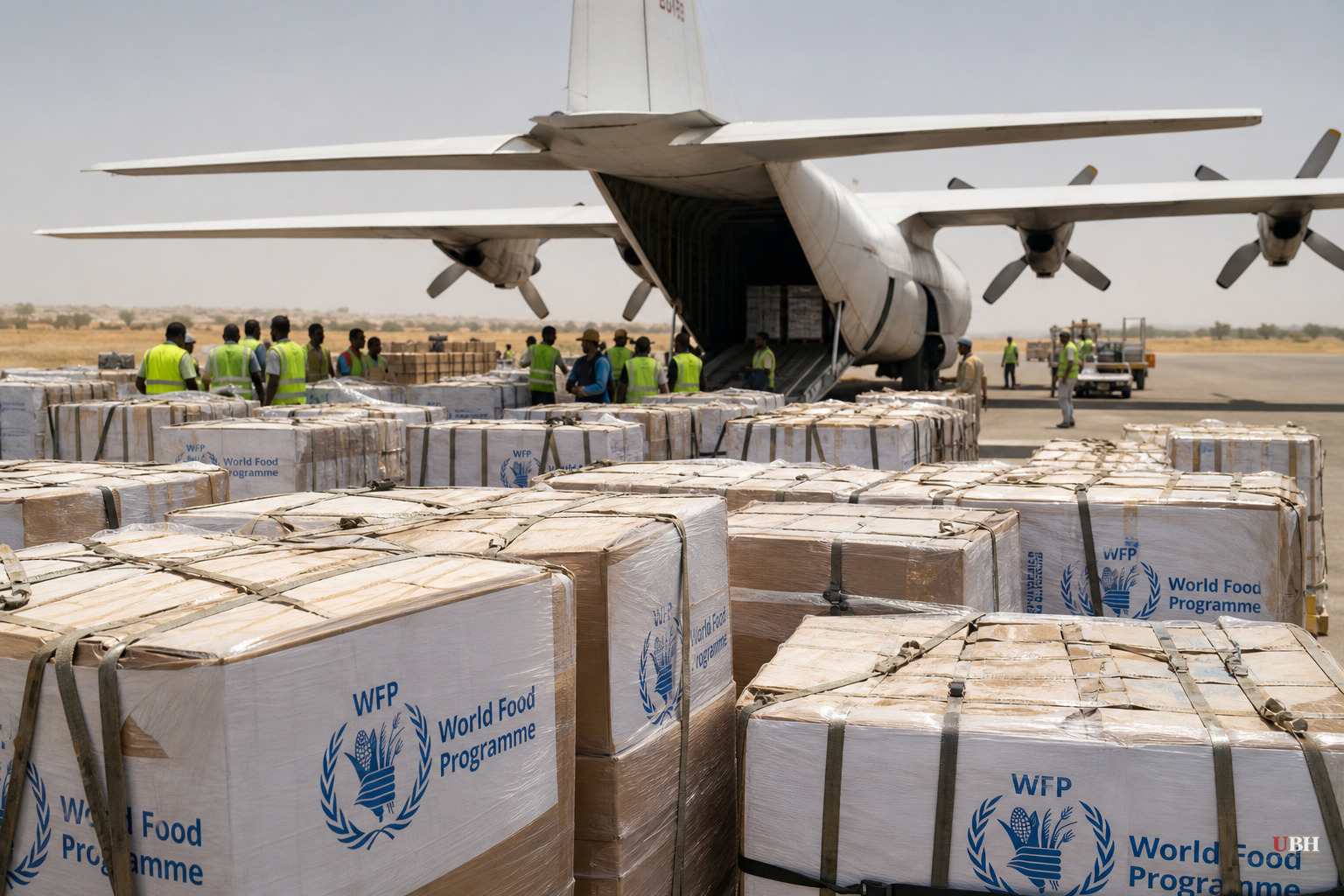
Conditions inside el-Obeid have deteriorated as the camps have swelled. The UN warned last week that nearly 400,000 people in the city's vicinity face food shortages, the result of a monthslong effort by RSF commanders to cut supply routes into the city, according to the BBC. One UN official described it as a "functional siege."
Locals say supply convoys attempting to reach el-Obeid have been targeted by drone strikes. The charity Islamic Relief has operated aid efforts in the area amid the disruption.
Khartoum's Position: No Deal That Legitimizes RSF Control
Sudan's government is drawing a hard line against any settlement that would leave the RSF holding territory. Amgad Fareid Eltayeb, political and foreign affairs adviser to the chairman of Sudan's Sovereignty Council, told Anadolu Agency on July 24 that Khartoum will not accept any proposal that legitimizes RSF control over civilian areas.
"We cannot hand over our people to the political ambitions of the RSF. At the same time, we cannot accept partition like the Libya scenario," Eltayeb said.
Eltayeb told Anadolu that el-Obeid is three times the size of el-Fasher and argued a similar massacre has been prevented so far only because government forces repelled RSF attacks on the city. He rejected characterizations of the conflict as a civil war between two roughly equal sides, instead calling it "an attack by fascist militias against the Sudanese state, its government, its people and its sovereignty."
Eltayeb is a senior adviser to one side of the war, and his description of the RSF as illegitimate "fascist militias" is the government's political position rather than an independently verified fact. The RSF has been credibly linked to atrocities in el-Fasher and elsewhere, but Eltayeb's comments come from an interested party making a case.
Eltayeb also said Sudan rejects a US-backed peace proposal that he characterized as an attempt by some regional countries to "freeze" current front lines, which he argued would effectively hand the RSF permanent control over civilian territory it has seized. He said Sudan's Defense and Security Council would only accept a ceasefire or peace initiative that requires complete RSF withdrawal from civilian areas. He also called on the international community to designate the RSF a terrorist organization, a request no government has publicly acted on as of this writing.
Eltayeb additionally accused the RSF of using advanced drones supplied by unnamed regional countries to strike civilians. That allegation is unproven in the sourcing available.
What's Unresolved
Whether el-Obeid holds or falls will likely determine whether North Kordofan becomes the RSF's gateway into new contested territory, according to the BBC's reporting. The Sudanese military says it has repelled attacks on the city so far. The RSF's drone campaign, the supply blockade, and the buildup of RSF forces in Nyala all remain active as of late July, with no ceasefire, ceasefire framework, or terrorism designation agreed to by any outside government. The immediate question for the roughly 83,000 people sheltering there, and the additional hundreds of thousands facing food shortages in the surrounding area, is whether aid convoys can get through before the RSF decides to move.
Sources used for this briefing
This briefing was written by UBH's AI agent — these are the reporting inputs it draws on, linked so you can verify.


