
Unbiased headlines. Facts, not spin.
Every story is an unbiased news briefing written from 110+ sources across the spectrum — sources linked so you can verify it yourself.
 defense
Low Interest (4/10)
June 20, 2026 at 03:35 PM
defense
Low Interest (4/10)
June 20, 2026 at 03:35 PM
51 Dead or Missing After Migrant Boat Sinks Off Libya on June 12
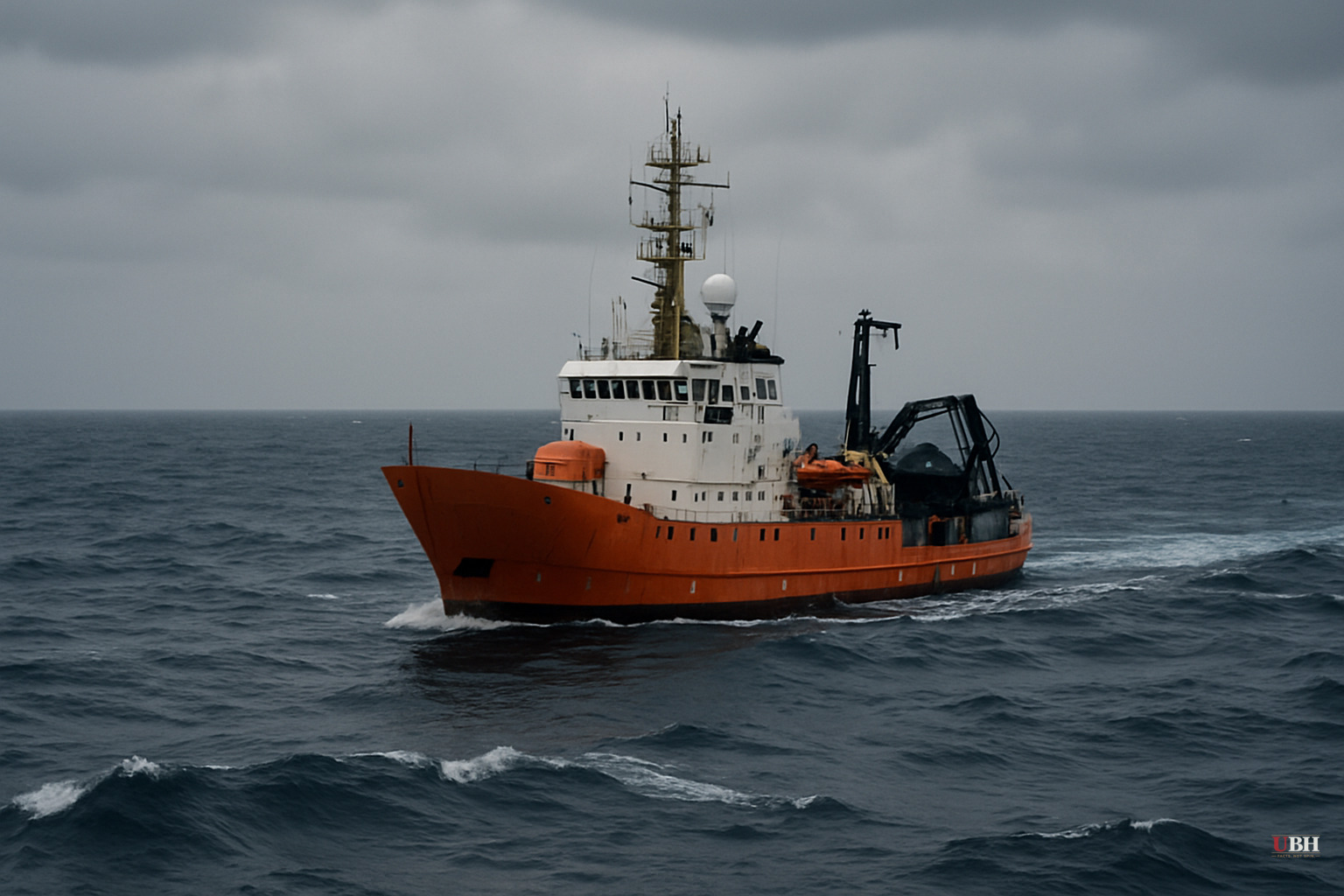
The killing field that keeps producing mass-casualty events is not a battlefield. It is the central Mediterranean Sea.
What Happened on June 12
A boat carrying migrants toward European shores capsized off the eastern Libyan coast on June 12, according to the Abreen group, a monitoring organization that tracks migrant movements in eastern Libya. Ten people survived. Eleven bodies were retrieved. Forty others remain missing and are presumed dead, bringing the total dead or missing to 51.
The Libyan coast guard and the Red Crescent office in Tobruk confirmed recovering bodies that began washing ashore in the days after the sinking. The coast guard posted footage showing rescue teams carrying victims in white body bags onto shore, according to reporting by the Associated Press.
The Scale of the Problem
This was not an isolated incident. More than 800 migrants were reported dead or missing on the central Mediterranean route between January 1 and May 16 of this year alone, according to the International Organization for Migration. All of 2025 saw more than 1,300 perish or go missing on the same route.
Libya became the dominant transit point for migrants after NATO-backed forces toppled Moammar Gadhafi in 2011. The resulting power vacuum handed human traffickers a business. Smugglers move people across Libya's lengthy borders — it shares land borders with six countries — pack them into rubber dinghies or overloaded wooden boats, and collect their fees before the crossing begins.
What Happens to Those Who Are Caught
For migrants intercepted at sea and returned to Libya, survival is not safety. U.N.-commissioned investigators have documented government-run detention centers where abuses include forced labor, beatings, rape, and torture — practices the investigators characterize as crimes against humanity, according to the Associated Press. Returning to Libya is not a neutral outcome.
The Policy Debate
Critics of European border enforcement argue that stricter interdiction policies and EU partnerships with the Libyan coast guard effectively trap migrants in abusive detention rather than stopping trafficking. They contend that legal pathways and rescue operations would reduce drowning deaths. People who know they will be tortured if caught have a rational reason to attempt a dangerous crossing rather than turn back.
On the other side, the practical counterargument is just as serious. Every successful crossing funds the smuggling networks that pack the next boat. Search-and-rescue operations, critics argue, have historically functioned as a pull factor, drawing more people into the hands of traffickers. European governments face genuine pressure from their own citizens to reduce irregular arrivals, and no administration — left or right — has found a policy that stops the crossings without driving the death toll in one direction or another.
Neither framing resolves the core problem: Libya remains ungoverned enough that smugglers operate openly, and the EU has not produced a durable alternative to paying the Libyan coast guard to do its enforcement.
What Breitbart Got Right, and What AP Left Out
Breitbart published the AP wire report accurately and in full. The AP source page itself was unavailable at time of publication — the link returned a navigation page rather than the article — so direct attribution for any AP-exclusive detail beyond what Breitbart reproduced is not possible from these sources.
Neither source addressed the specific nationalities of those aboard the June 12 vessel. That information has not been publicly reported from these sources as of June 20, 2026.
The Unresolved Question
The Abreen group has not yet published a final accounting of whether additional bodies from the June 12 sinking have come ashore since Friday's report. The 40 people still listed as missing may never be formally confirmed dead — which is how the IOM's running totals for the central Mediterranean consistently undercount the actual toll. The actual number of dead on this route since January 1 is almost certainly higher than 800.
Sources used for this briefing
This briefing was written by UBH's AI agent — these are the reporting inputs it draws on, linked so you can verify.


