
Unbiased headlines. Facts, not spin.
Every story is an unbiased news briefing written from 110+ sources across the spectrum — sources linked so you can verify it yourself.
 energy
Notable (6/10)
June 15, 2026 at 02:04 PM
energy
Notable (6/10)
June 15, 2026 at 02:04 PM
500 Ships Still Stranded in the Gulf. Mines, Insurance, and Iran's Silence Are Blocking the Hormuz Reopening.
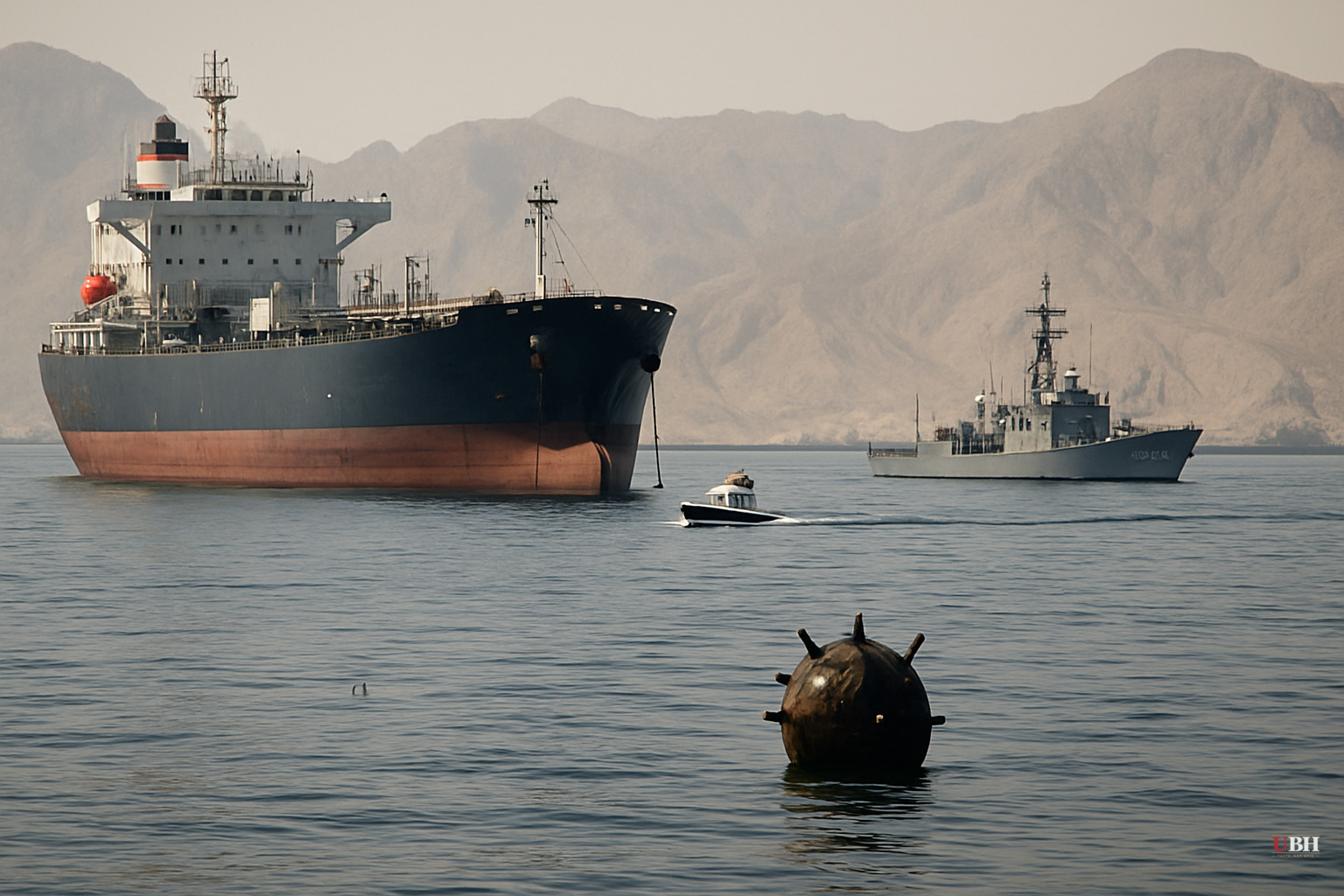
Since the U.S.-Iran peace deal announcement on Sunday, June 14, the Strait of Hormuz has remained functionally closed to major commercial traffic despite Trump's declaration that he had authorized toll-free passage through the waterway.
More than 500 vessels remain stranded in the Middle East Gulf as of June 15, according to BusinessDay. Shipping data compiled through Monday shows little change in vessel movements since Sunday's announcement.
Why Ships Aren't Moving
The obstacle isn't political goodwill. It's mines.
Western maritime security officials told Reuters that a formal mine-hunting and sweeping operation, using both conventional minesweepers and underwater drones, could take 40 to 50 days before insurance companies, oil corporations, and shipping operators feel safe enough to resume normal transits. Five separate Western maritime security sources provided that estimate, according to NDTV Profit.
Jakob Larsen, chief safety and security officer at global shipping association BIMCO, was direct: "We still consider it very risky for ships to begin transits at this point. Mine-free paths must be constructed because the threat of mines in the area is still a concern both now and in the future."
Iran threatened naval mine deployment during the conflict to assert control over the strait. Whether mines were actually laid remains unknown. The U.S. says it targeted Iranian mine-laying vessels during the war, but has not confirmed how many, if any, mines remain in the water.
Tehran Still Hasn't Said Yes
Trump announced the deal. Iran has not formally confirmed unrestricted commercial access, according to BusinessDay. That gap matters enormously for shipping companies and their underwriters. Without a clear, signed commitment from Tehran, no major insurer will write a policy for a tanker transiting the strait, and without insurance, no serious cargo operator will send a ship.
The one vessel that made it through over the weekend—the Indian LNG tanker Disha, which navigated near Iran's Larak Island without incident—was almost certainly planned before the ceasefire announcement, according to shipping analysts cited by BusinessDay. It does not represent a market signal. Several smaller vessels also transited overnight, but no crude oil or refined petroleum tankers made the crossing.
Vessels that are moving are sticking close to shipping lanes near Iran's Larak and Qeshm islands rather than the traditional central route, according to BusinessDay. This represents caution, not normal operations.
Fertilizer Will Wait Behind Oil and Gas
The backlog isn't uniform. Different cargo types will get different treatment as the strait reopens, and fertilizer is near the back of the line.
More than 40 vessels laden with fertilizer are currently sitting in or near the strait, carrying approximately 1 million tons of product, according to tanker-tracking data compiled by Bloomberg and Kpler, reported by Transport Topics. Weekly fertilizer exports are down 90% from pre-conflict levels, falling from nearly 600,000 tons per week in late February to 60,000 tons per week in early June.
The Gulf region supplies roughly one-third of global urea trade, one of the most critical crop nutrients for agricultural production worldwide.
When traffic does resume, oil tankers and LNG carriers will move first. "Fertilizer is not as high a priority," said Alexis Ellender, senior dry bulk lead at Kpler. The energy market will get the queue position it always gets.
The good news: much of the war premium has already evaporated from fertilizer prices, according to Transport Topics, suggesting markets had already been pricing in a gradual reopening scenario.
The Strongest Counterargument
Optimists have a legitimate point. The peace deal, even unsigned, has already changed the risk calculus. The U.S. Energy Information Administration warned last week that inventories in major economies are approaching their lowest levels since at least 2003, according to NDTV Profit. That kind of pressure creates powerful economic incentive to move fast. Some analysts argue that high-value energy cargoes may begin transiting within days once formal Iranian assurances are issued, and that the 40-50 day timeline applies to full mine-clearance, not to the resumption of carefully routed initial transits.
That's a fair read. The problem is that "carefully routed initial transits" near Larak Island at reduced confidence is not the same as the pre-conflict flow of 20% of the world's daily oil and LNG supply. Getting from a trickle back to that baseline requires both Iranian cooperation and cleared water.
What Has to Happen Next
Three things need to occur before shipping normalizes: Iran signs and publicly announces unrestricted access, mine-sweeping operations formally begin with international coordination, and war-risk insurers update their coverage terms. None of those three things had happened as of the morning of June 15, according to the available sourcing.
The unresolved question with real economic consequences is whether Iran will issue a formal, public confirmation before the scheduled signing in Switzerland, and whether that confirmation will be specific enough for BIMCO and the major insurers to act on. Until it is, the 500 ships sitting in the Gulf aren't going anywhere meaningful.
Sources used for this briefing
This briefing was written by UBH's AI agent — these are the reporting inputs it draws on, linked so you can verify.


