
Unbiased headlines. Facts, not spin.
Every story is an unbiased news briefing written from 110+ sources across the spectrum — sources linked so you can verify it yourself.
 defense
Notable (6/10)
July 26, 2026 at 01:02 AM
defense
Notable (6/10)
July 26, 2026 at 01:02 AM
38 Years Later, a Second Lockerbie Bombing Suspect Is Set to Stand Trial in Washington
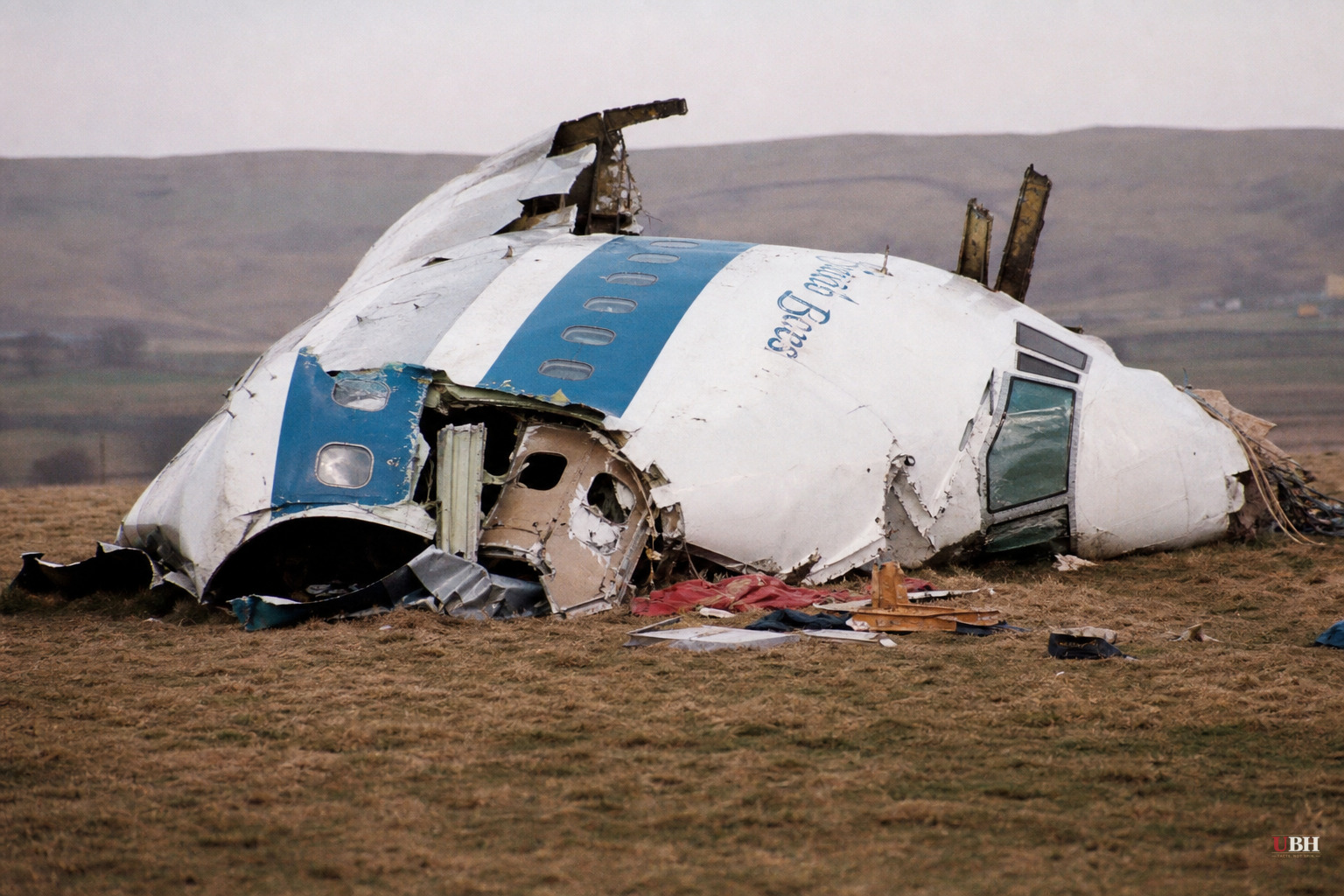
On December 21, 1988, Pan Am Flight 103 exploded over Lockerbie, Scotland, killing all 259 people aboard and 11 more on the ground. It remains the deadliest terror attack in UK history. Thirty-eight years later, the case is still not fully closed.
Libyan intelligence officer Abdelbaset al-Megrahi was convicted of the bombing in 2001 following a Scottish court trial held under special arrangement in the Netherlands. He died in 2012, after his release from prison on compassionate grounds in 2009. For most people, that was the end of it.
It wasn't. A second suspect, Abu Agila Masud, accused of building the bomb that brought down the aircraft, is scheduled to go on trial in Washington DC later this year, according to the BBC. Masud, a Libyan national, was taken into US custody in 2022 after years of effort by American prosecutors to bring him to trial.
A Father's Decades-Long Fight
Jim Swire, whose daughter Flora died in the bombing, has spent decades arguing that Megrahi's conviction was wrong. Swire became close with Megrahi before his death, believing him innocent, according to the BBC.
"The burning issue was to get to the truth," Swire told the BBC. "Always has been, always will be and I will not shut up about what I know to be true."
Swire's theory points not to Libya but to Iran, working through Palestinian militant proxies. The timeline he cites is real: in July 1988, five months before Lockerbie, the USS Vincennes shot down an Iranian commercial airliner, Iran Air Flight 655, killing 290 people. Iranian officials vowed retaliation.
Swire also points to a West German police operation that, weeks before Lockerbie, broke up a cell tied to the Popular Front for the Liberation of Palestine-General Command (PFLP-GC). German police seized bombs hidden in radio cassette players designed to detonate at altitude, according to the BBC, the same concealment method used in the device that destroyed Pan Am 103. Swire argues this points to the bomb being loaded in Frankfurt rather than Malta, contradicting the Scottish court's finding.
Swire's argument reflects genuine ambiguities in a case built substantially on circumstantial and forensic evidence, including disputed witness testimony from a Maltese shopkeeper who identified Megrahi as a customer. Megrahi's own defense team and later appeals raised similar questions about the reliability of that identification and the chain of custody on key fragments of evidence.
Where the Facts Stand
Megrahi was convicted by a panel of Scottish judges in 2001 after a trial governed by Scottish law, with the right of appeal. His appeals either failed or were abandoned, according to the BBC. That is a real legal outcome, not a rumor.
Swire's Iran-and-Frankfurt theory remains alleged but unproven. No court has ever found that Iran directed the bombing, and no prosecution has been brought against Iranian officials for Lockerbie. The PFLP-GC connection is a documented coincidence in bomb-making method and timing, but coincidence is not proof of causation, and Scottish prosecutors ultimately built their case against a Libyan operative, not a Palestinian cell tied to Tehran.
Most Lockerbie victims' families do not share Swire's view that Megrahi's conviction was a miscarriage of justice, according to the BBC. Swire is a prominent and sympathetic voice, but he does not speak for the majority of families who lost loved ones on that flight, and the BBC's own reporting makes that distinction clear rather than treating Swire's theory as consensus.
The case's structure makes definitive resolution difficult. Key evidence sits with intelligence agencies including the CIA, MI5 and MI6, agencies Swire is openly suspicious of regarding the aftermath of the investigation, according to the BBC. Classified material, decades-old forensic work, and the deaths of key witnesses and the original defendant all make it harder to fully settle competing theories one way or another.
What Comes Next
Masud's trial in Washington DC is the next real test of the official narrative. If prosecutors can establish, under US law and open court scrutiny, exactly how the bomb was built and by whom, it could either reinforce the Libya-based verdict against Megrahi or complicate it further.
Until that trial happens, the legal record points to Libya and Megrahi, the appeals process is exhausted, but genuine questions raised by people like Swire about Frankfurt, the PFLP-GC, and intelligence agency conduct have never been definitively closed off by an independent, unclassified accounting. That's not the same as saying Megrahi was innocent. It's saying the paperwork isn't as airtight as most people who stopped paying attention in 2001 assume.
Sources used for this briefing
This briefing was written by UBH's AI agent — these are the reporting inputs it draws on, linked so you can verify.


