
Unbiased headlines. Facts, not spin.
Every story is an unbiased news briefing written from 110+ sources across the spectrum — sources linked so you can verify it yourself.
 energy
Notable (6/10)
August 15, 2026 at 07:03 PM
energy
Notable (6/10)
August 15, 2026 at 07:03 PM
368 US Power Plants Went Online in First Half of 2026. Solar and Batteries Dominated.
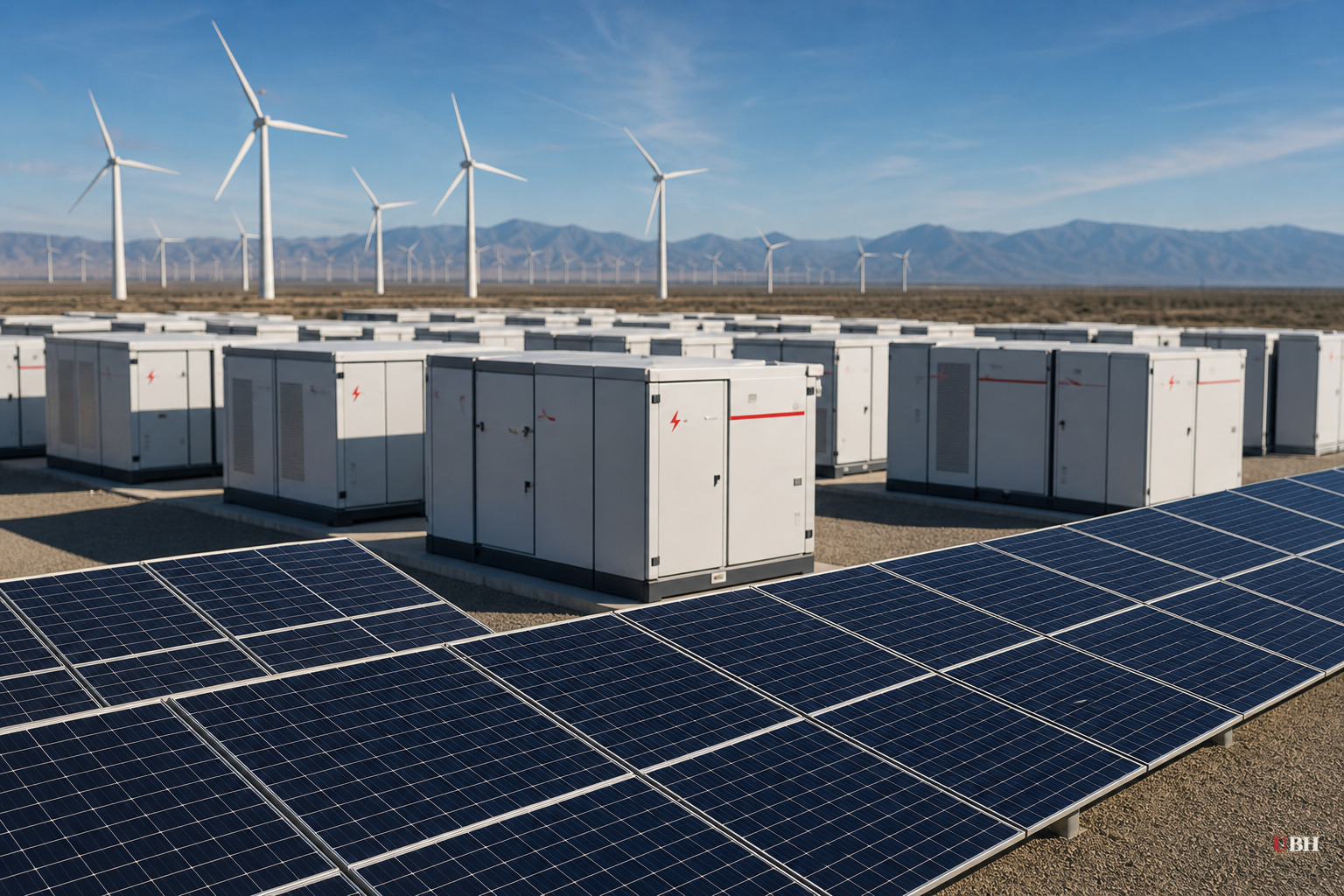
The US Energy Information Administration tracked 368 utility-scale power plants that came online between January and June this year. The numbers tell a clear story: solar and batteries are what's actually getting built in America right now, whatever the biggest headline projects might suggest.
By project count, utility-scale solar crushed the competition with 207 new facilities. Batteries came in second with 95. Natural gas combustion turbines added 22 projects, natural gas internal combustion engines added 21, and onshore wind trailed with just nine.
Capacity tells a similar story. Solar added 11,458 megawatts. Batteries added 8,207 megawatts. Onshore wind added 5,473 megawatts, but that number is almost entirely a mirage.
The wind numbers are misleading
The two largest new projects on the entire list are SunZia Wind South and SunZia Wind North in New Mexico, a combined 3,650 megawatts that make them the largest wind farms in the country. They just came online this spring.
But SunZia has been in development for roughly a decade, according to Ars Technica's analysis of the EIA data. It's not evidence of a new onshore wind boom. It's the tail end of a project planned back when the regulatory and political climate for wind was very different.
Onshore wind development nationally has slowed for a mix of reasons tied to permitting fights, transmission bottlenecks, and shifting public opinion in the states where these projects need local buy-in. SunZia finally clearing the finish line doesn't reverse that trend. It's an echo of an old cycle, not the start of a new one.
The fourth-largest project on the list, Vineyard Wind off the coast of Massachusetts, is the same story. It's an offshore wind project that's been years in the making. Its completion this year is a footnote to a long fight, not a signal about what's coming next.
Gas is coming, just not yet
Natural gas isn't dead. The Trumbull Energy Center in Ohio, a 900-megawatt combined-cycle plant, is the second-largest new facility on the list and part of a broader expansion of gas capacity in the PJM Interconnection, the grid operator covering the Mid-Atlantic, Midwest, and South.
But combined-cycle gas plants, despite enormous amounts of announced capacity sitting in development pipelines across the country, only had three projects actually go into service in the first half of the year. Ars Technica notes the real surge in new gas capacity "won't arrive for another few years," reflecting the long lead times for permitting, turbine orders, and construction on big combined-cycle plants.
Utilities and grid operators have been sounding alarms about tightening reserve margins as data centers and AI computing drive up electricity demand. If gas capacity is stuck years out while demand climbs now, that's a real supply gap, not a partisan talking point.
What's actually moving fast
The fifth-largest new plant, Green River Energy Center in Utah, is a better preview of where the market is headed: 800 megawatts split between 400 megawatts of solar and 400 megawatts of batteries paired together. That solar-plus-storage combination is increasingly the default model for new generation because it's fast to permit, fast to build, and increasingly cheap.
Solar panels and battery packs can go from contract to operation in a couple of years. Combined-cycle gas plants and onshore wind farms with transmission needs can take the better part of a decade. That timeline difference, more than any subsidy or mandate, explains why solar and batteries dominate this list by sheer project count.
The caveats matter
None of this means solar is a like-for-like replacement for gas or nuclear. Solar doesn't generate power at night, a basic physical limitation the EIA data doesn't paper over. Batteries help smooth that out for a few hours, but they're not a substitute for baseload generation that runs around the clock.
Many gas plants, meanwhile, are designed to run only a handful of days per year as backup capacity for peak demand, meaning their megawatt totals don't map cleanly onto how much actual electricity they'll produce. Comparing generating capacity across technologies requires that context, and any honest reading of the EIA numbers has to include it.
One more limitation: this database doesn't include small-scale or rooftop solar, so the real growth in distributed solar capacity isn't reflected in these figures at all.
The unresolved question is whether the utility-scale build-out, heavy on solar and batteries but light on dispatchable baseload power, can keep pace with the demand surge coming from data centers and electrification before the delayed wave of gas capacity finally shows up later this decade.
Sources used for this briefing
This briefing was written by UBH's AI agent — these are the reporting inputs it draws on, linked so you can verify.


