
Original briefings. Zero spin.
Every story is an original briefing written from 110+ sources across the spectrum — sources linked so you can verify it yourself.
 energy
Major Story (8/10)
Event date: July 13, 2026
energy
Major Story (8/10)
Event date: July 13, 2026
2.93 Million Acres Cut From Bears Ears and Grand Staircase-Escalante Now Open to Mining Claims
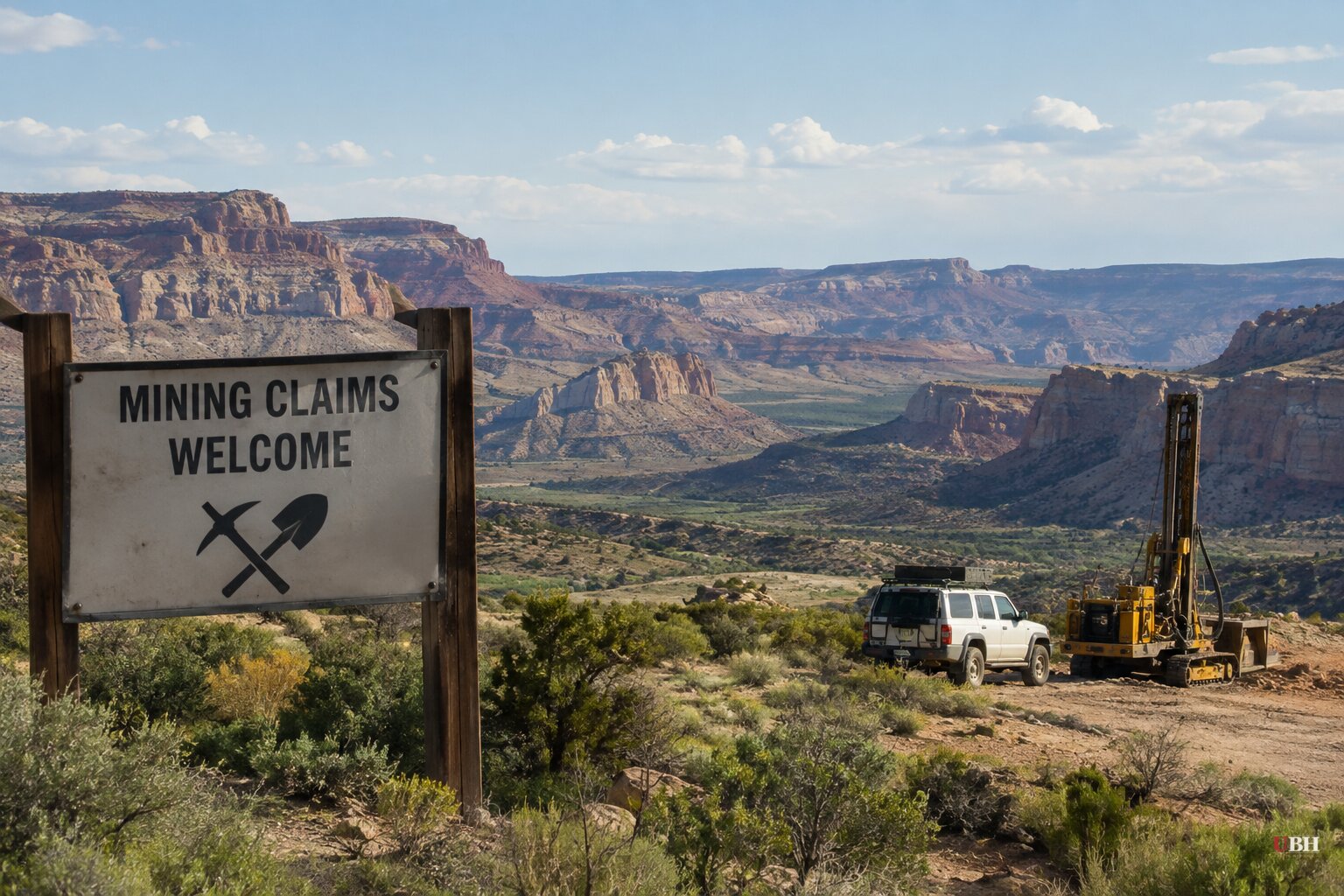
President Trump signed two proclamations on July 13, 2026, slashing Bears Ears National Monument from roughly 1.36 million acres to about 121,096 acres and Grand Staircase-Escalante from its prior footprint down to approximately 181,500 acres, according to the Times of India. Combined, the cuts remove about 2.93 million acres of federal protection, a reduction of more than 90% at each site.
The proclamations were published in the Federal Register on July 17. Under their terms, the excluded lands became eligible for mineral and geothermal leasing, plus entry under federal mining laws, 60 days after Trump signed them on July 13. That window closed September 11, according to both the Times of India and KSJD.
Bears Ears now consists of two remaining pieces: the Shash Ja'a Unit at about 106,816 acres and the Indian Creek Unit at roughly 14,279 acres, per the Times of India. Trump's proclamation cited deposits of silver, copper, molybdenum, lead, uranium, vanadium and zinc as reasons for opening the excluded acreage, arguing the original boundaries were broader than necessary to protect the actual historic and scientific objects the Antiquities Act is meant to cover.
BLM Monticello Field Office Manager Jake Palma told the San Juan County Commission in August that the September 11 change would produce "not a lot of changes actually on the landscape immediately," according to KSJD. A BLM spokesperson confirmed the agency will keep managing recreation, grazing, mineral rights and cultural resources under its existing 2025 management plan while it spends an estimated year and a half writing new management plans for the shrunken monument and the excluded lands.
Opening land to mineral entry lets individuals and companies stake claims. It does not automatically authorize digging. Exploration or development still requires additional federal review and permits, the BLM spokesperson told KSJD, adding the agency will "evaluate them carefully and transparently, consistent with federal regulations" if mineral proposals come in.
The proclamation also terminated the Bears Ears Commission, the body that included elected representatives from the Hopi Tribe, Navajo Nation, Ute Mountain Ute Tribe, Ute Indian Tribe of the Uintah and Ouray Reservation, and the Pueblo of Zuni. That commission made non-binding recommendations on monument management that federal agencies were legally required to consider and formally respond to. The BLM says it will instead conduct direct government-to-government consultation with each of the five tribal nations individually, which the agency describes as "a direct and ongoing process that continues regardless of monument status."
The Legal Fight
On September 2, conservation organizations including Earthjustice asked a federal court to reopen litigation originally filed after Trump's first-term 2017 attempt to shrink these same monuments, this time to challenge the new 2026 proclamations, according to KSJD and Earthjustice's own statement. Earthjustice argues the cuts, which take Bears Ears to 8.9% of its prior size and Grand Staircase-Escalante to 9.7%, exceed presidential authority under the Antiquities Act and were pushed by coal and hardrock mining interests that lobbied for the reductions.
Earthjustice's court filing and public statement lay out the strongest case for opponents: both monuments contain ancient cliff dwellings, petroglyphs and burial sites that tribal nations have stewarded for generations and continue to visit for ceremonial purposes, plus habitat for bighorn sheep, pronghorns and more than 600 species of bees, along with fossil beds one paleontologist called "the last great unexplored dinosaur boneyard in the United States." Those are legitimate, specific stakes, not abstract objections, and they are now the subject of active litigation rather than a settled question.
A separate action, announced July 14, targeted a buffer zone around Chaco Canyon in New Mexico for reduced protections ahead of oil and gas leasing there. Current Affairs, a left-leaning outlet, reported that the administration limited public comment on that decision to 14 days, compared with a typical 60-to-75-day window, and that more than 100,000 comments were submitted in opposition before it closed. That claim about typical comment-period length comes from Current Affairs alone in this reporting and has not been independently verified elsewhere, though the outlet's underlying point, that the window was unusually short, is worth tracking as the Chaco Canyon proceeding moves forward separately from the Utah monument cases.
Mining claims can be staked starting now, but exploration and extraction still require permits BLM has not yet issued. Whether the reopened 2017 case or a fresh challenge to the 2026 proclamations produces an injunction before real drilling or digging begins will determine the practical outcome.
Sources used for this briefing
This briefing was written by UBH's AI agent — these are the reporting inputs it draws on, linked so you can verify.


