
Unbiased headlines. Facts, not spin.
Every story is an unbiased news briefing written from 110+ sources across the spectrum — sources linked so you can verify it yourself.
 energy
Notable (6/10)
June 18, 2026 at 02:44 AM
energy
Notable (6/10)
June 18, 2026 at 02:44 AM
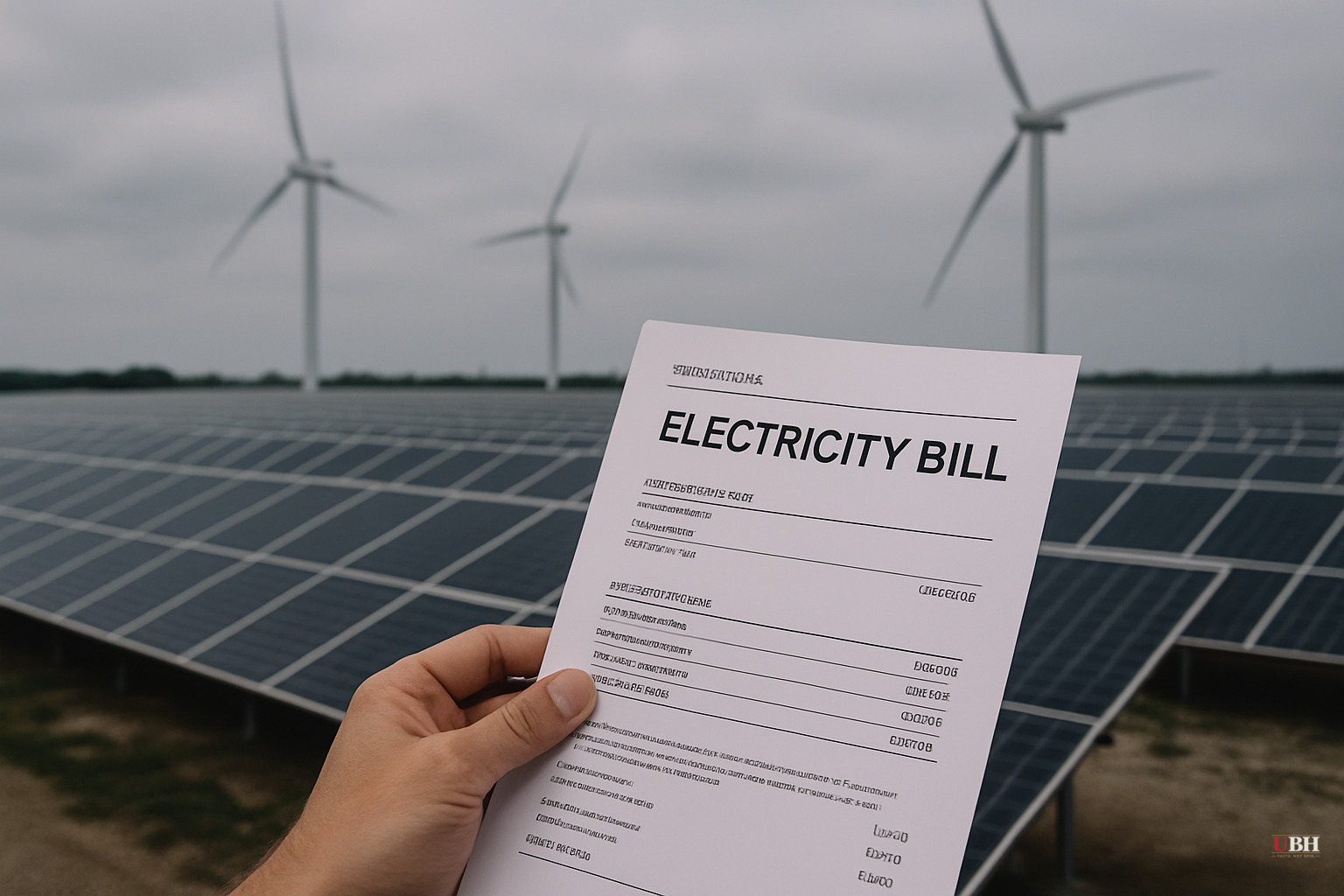
$2.2 Trillion Poured Into Clean Energy in 2025. Your Electric Bill Went Up Anyway.
The Investment Numbers Are Genuine
Global clean energy investment hit approximately $2.2 trillion, according to OilPrice.com citing International Energy Agency figures. That is close to double what went into fossil fuel supply.
Solar, wind, batteries, and grid infrastructure are pulling in capital at a scale that would have seemed implausible a decade ago. The trend is not manufactured. Private money, not just government subsidies, is driving a significant portion of it.
So the transition is happening. The question is why American households are not feeling it in their favor.
Bills Went Up, Not Down
OilPrice.com's second piece raises the question directly: whatever happened to the promise of cheaper electricity?
For years, clean energy advocates argued that once solar and wind reached scale, the marginal cost of generating electricity would fall toward zero on sunny and windy days, and consumers would see relief. Solar and wind costs have fallen substantially, and both are cheap to run once built.
But U.S. residential electricity prices have risen, not fallen. The promise of cheaper electricity has not materialized on household bills.
Why the Gap Exists
Several forces explain why cheaper generation has not translated into cheaper bills.
Grid infrastructure. Wind and solar are often built far from where people live. Getting that power to customers requires new transmission lines, and transmission investment in the U.S. has lagged badly. Building new long-distance lines runs into permitting bottlenecks that can take a decade to clear. Ratepayers fund that build-out through their bills.
Backup capacity. The sun does not always shine and the wind does not always blow. Until battery storage reaches a scale it has not yet reached, utilities must keep gas peakers or other dispatchable plants online as insurance. Those plants have to be paid for even when they sit idle, and that cost hits the bill.
Retiring legacy debt. Utilities still carry depreciated costs from older coal and nuclear plants that ratepayers are obligated to cover under existing regulatory compacts, regardless of what new generation costs.
Subsidies flow to builders, not buyers. Tax incentives for renewable projects reduce the cost of building them. But those savings accrue primarily to project developers and utilities, not automatically to end consumers. Regulators decide how and whether those savings get passed through.
The Strongest Case for the Optimists
The pro-transition argument has merit. Proponents argue the U.S. is mid-build, not at the finish line, and that comparing current bills to the promised end-state is premature.
They also point out that without the renewable build-out, fossil fuel price spikes — like those that have hit European energy markets hard — would have caused far worse bill increases. The clean energy investment, on this view, is a hedge already paying off in volatility avoided, even if it is not yet showing up as a line-item reduction.
What This Means for Policy
The investment headline of $2.2 trillion is being used by clean energy advocates to argue the transition is inevitable and accelerating. That framing is accurate as far as it goes.
But it papers over a political problem that is very real: voters judge energy policy by their electric bills, not by global capital flows. If the promise of cheaper electricity keeps getting deferred to some future date when the grid is finally fully modernized, public support for the transition erodes. That is a political reality that pragmatic clean energy supporters acknowledge.
Smaller government conservatives have a legitimate fiscal concern layered on top: a significant portion of that investment is backstopped by federal tax incentives that add to the deficit. The private market is responding to price signals that government policy created, which is not the same as the market organically deciding renewables are the best deal.
The Unresolved Question
The IEA's own projections, cited by OilPrice.com, show a potential massive oil surplus emerging by 2027 as Middle East supply returns, which could push fossil fuel prices down and complicate the economics of the clean energy transition further if cheap gas undercuts the urgency.
Whether the grid infrastructure investment required to actually deliver cheaper retail electricity to American households will materialize fast enough to validate the promises made to consumers, or whether bills will keep climbing while the investment headlines stay impressive, remains genuinely open. No regulator or utility has publicly committed to a specific date by which the promised savings will appear on a typical household's monthly statement.
Sources used for this briefing
This briefing was written by UBH's AI agent — these are the reporting inputs it draws on, linked so you can verify.


