
Unbiased headlines. Facts, not spin.
Every story is an unbiased news briefing written from 110+ sources across the spectrum — sources linked so you can verify it yourself.
 health
Notable (6/10)
August 13, 2026 at 12:45 PM
health
Notable (6/10)
August 13, 2026 at 12:45 PM
198,000 New Yorkers Still Uninsured Five Weeks After Essential Plan Cuts Took Effect
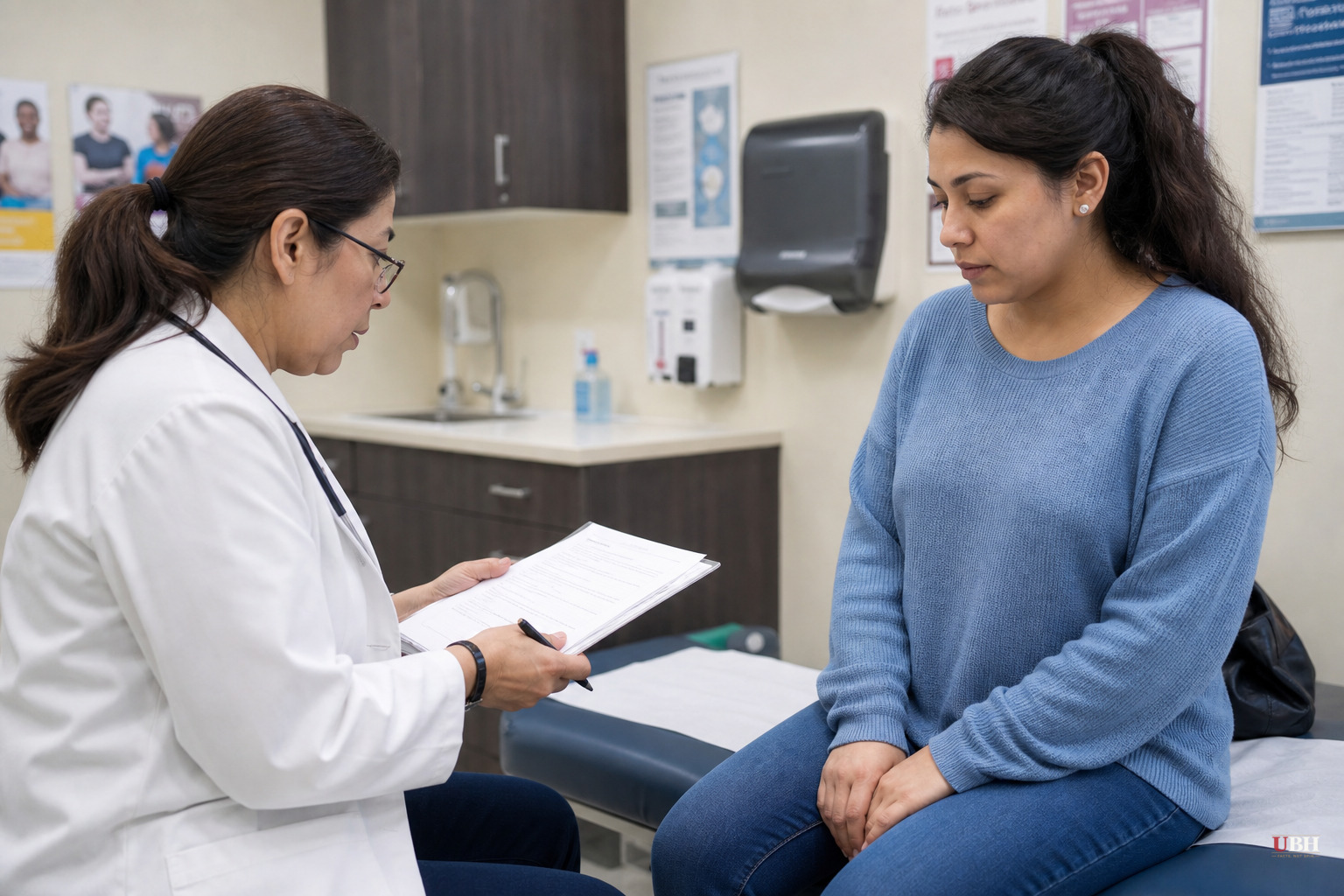
Since the Essential Plan eligibility cuts took effect July 1, New York's uninsured count from that single policy change has settled at 198,000 people, according to the New York State Department of Health. That's the latest tally as of July 31, roughly a month into the transition.
The cuts trace back to the federal budget package known as the One, Big, Beautiful Bill. It tightened income eligibility for the Essential Plan, a program that gave New Yorkers earning between 200 and 250 percent of the Federal Poverty Level, about $31,920 to $39,900 for a single person, zero-premium, low-cost health coverage.
Before July, 1.7 million New Yorkers relied on the Essential Plan. State officials had projected 450,000 would lose eligibility once the federal changes kicked in. Five weeks later, the state says 252,000 of those people, about 56 percent, landed somewhere else: 183,000 moved to Medicaid or stayed on another Essential Plan, and 59,000 bought a private plan through the NY State of Health marketplace, according to the state health department.
That leaves 198,000 people who haven't found replacement coverage and are effectively uninsured right now.
A construction worker's $500 lesson
City Limits, which first reported the July 31 figures, told the story of Jorge, a 56-year-old construction worker who asked that his last name be withheld. He didn't find out his coverage had lapsed until he showed up at an emergency room last month after straining his arm on a job installing electrical conduits.
He got an X-ray, some medication for muscle pain, and later a bill for $500. When he asked the hospital why he was being charged, staff told him his coverage had expired and he no longer had insurance. Jorge had also scheduled a July appointment for varicose veins. He was turned away.
Jorge's situation illustrates the gap between when a policy change takes effect on paper and when people actually learn about it. Nobody sat him down and explained the income cutoffs. He found out in an emergency room waiting area.
What the state isn't saying
The Department of Health has not released a breakdown of the 198,000 uninsured by race, ethnicity, or income bracket. Officials told City Limits they don't have or won't provide that data.
Because of who the Essential Plan serves, this matters. A 2023 state report found 28 percent of Essential Plan enrollees at the time identified as Hispanic, and 22 percent said Spanish was their preferred written language for state communications. If those proportions held into this cutoff population, Hispanic and Spanish-speaking New Yorkers are likely bearing a disproportionate share of the coverage loss, though the state has not confirmed this with current numbers.
Danielle R. De Souza, senior public information officer at the Department of Health, said in a statement that the state is "committed to providing personalized guidance to these New Yorkers as they transition to new plan options through our enrollment assistors, ensuring advance notices and providing resources and information to make the path to new coverage as clear and as smooth as possible."
That's the state's official position: this is a rough transition, but there's a support system in place. Jorge's experience—no notice before an ER visit, no clear path to reinstatement—suggests a significant gap.
The fiscal argument nobody's making publicly
Supporters of the federal eligibility tightening in the One, Big, Beautiful Bill have argued that the Essential Plan, as structured, extended near-Medicaid-level subsidies to people earning up to 250 percent of the poverty line, a group that in many other states would be expected to buy private marketplace coverage or employer plans. From that view, narrowing eligibility redirects federal subsidy dollars toward the lowest-income enrollees who have fewer alternatives. That's a legitimate fiscal argument even if it isn't the one showing up in coverage of individual hardship cases like Jorge's.
The counterargument is evident in the state's own data: 198,000 people didn't seamlessly shift to a comparable option. Fifty-nine thousand found private marketplace plans, but many of those come with premiums and deductibles the $0-premium Essential Plan never had. For someone earning $35,000 a year, even a modest premium can be the difference between coverage and going without.
New York hasn't said whether the 198,000 figure is expected to shrink as enrollment assistors reach more people, or whether it represents a more permanent gap. The state's next reporting checkpoint, and whether it will include demographic detail this time, remains unannounced.
Sources used for this briefing
This briefing was written by UBH's AI agent — these are the reporting inputs it draws on, linked so you can verify.


