
Unbiased headlines. Facts, not spin.
Every story is an unbiased news briefing written from 110+ sources across the spectrum — sources linked so you can verify it yourself.
 economy
Notable (5/10)
May 30, 2026 at 12:01 PM
economy
Notable (5/10)
May 30, 2026 at 12:01 PM
Zoning Laws Are Blocking Starter Homes. States Are Finally Trying to Fix It.
The Problem Is Not Complicated
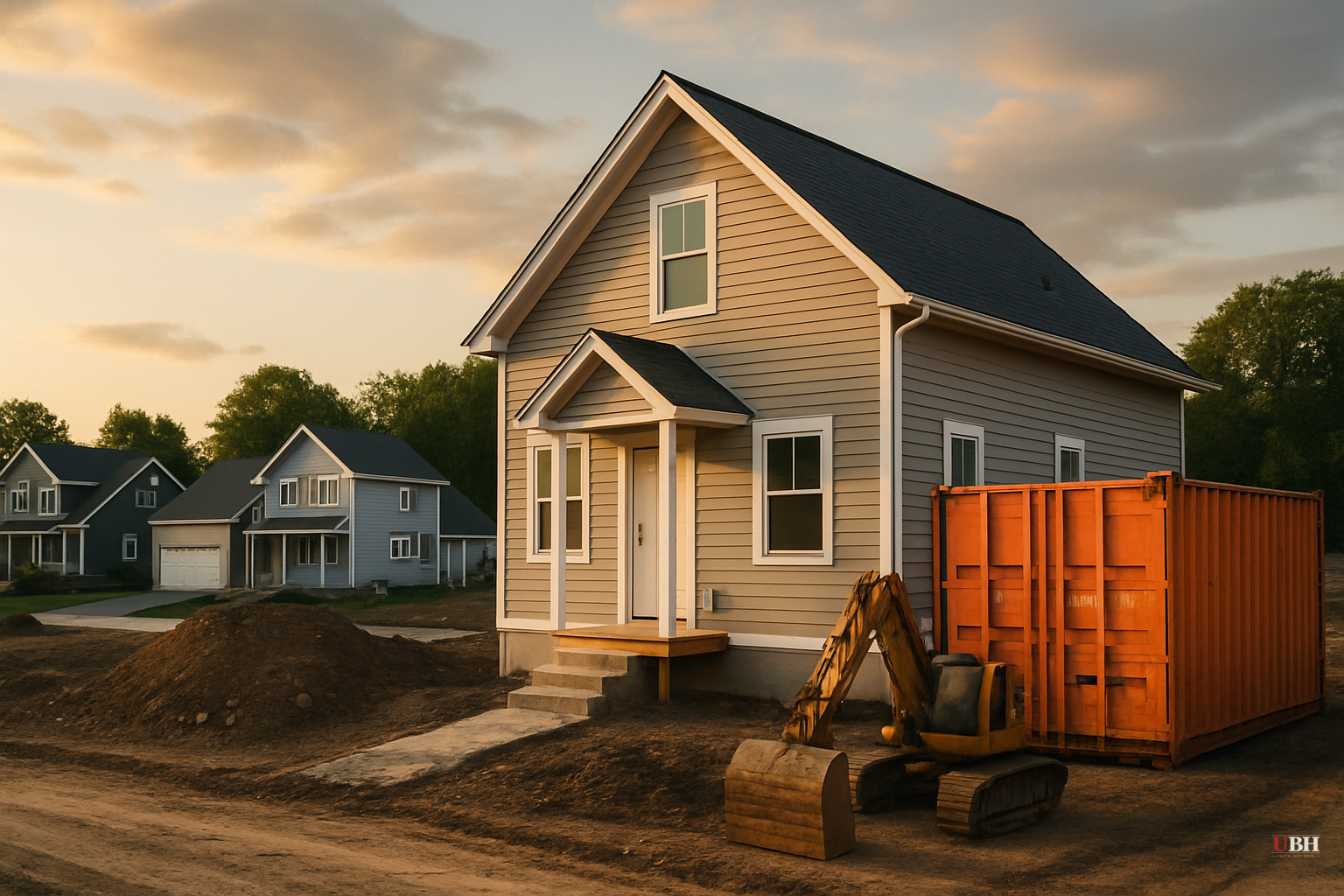
Young Americans cannot afford homes. Land is expensive. Zoning laws force builders to buy more of it than they need. So builders only build big, expensive houses. Starter homes — the kind that built the middle class after World War II — are effectively illegal in most American residential zones.
The Numbers Are Brutal
In Colorado, land prices have increased six times faster than inflation over the past decade, according to Housing Forward Colorado. In Denver, residential land now averages $1.2 million per acre. In Boulder, it's $1.69 million per acre.
Land used to represent 31% of a home's total value in Colorado. By 2024, that number hit 58%, according to Housing Forward Colorado. More than half of what you pay for a house is just the dirt underneath it.
In Denver, the average new home built in 2024 replaced a 1,299 square foot house with a 4,405 square foot house. 80% of those new homes sold for over $1.4 million. The state is short roughly 106,000 homes total.
Massachusetts faces the same shortage. The advocacy group Legalize Starter Homes — run by campaign organizer Andrew Mikula — describes Massachusetts as the hardest state in the country for young adults to buy a home. They've filed for a 2026 ballot question to change state zoning law directly. As of January 10, 2026, the Boston Globe published an op-ed backing their campaign.
What "Legalizing" Starter Homes Actually Means
Right now, most residential zones require minimum lot sizes of 6,000 to 12,000 square feet per home, according to Housing Forward Colorado. Reform proposals would allow lots as small as 5,000 square feet, according to real estate firm The Real Estate Collaborative in Minnesota.
They'd also allow:
- Duplexes and townhomes in single-family zones
- Accessory Dwelling Units (ADUs) — garage apartments, in-law suites
- Reduced parking minimums that add thousands to construction costs
- Streamlined permitting that doesn't drag projects out for years
Colorado is moving on two actual bills: HB26-1114 and HB26-1308, both focused on lot size flexibility. Housing Forward Colorado published a detailed breakdown of both in April 2026. These are corrections to government-imposed distortions.
What Mainstream Coverage Is Getting Wrong
The New York Times framed this as a blue-state issue — specifically calling out Massachusetts — and positioned it as progressive housing justice. This framing misses the mark.
First, this is NOT a left-right issue. Colorado's effort is driven by housing economists focused on supply and land cost math. Minnesota's is being covered by real estate professionals. The logic is straightforward: remove government restrictions, let builders build, prices fall.
Second, the media keeps treating this as a story about "equity" and "housing justice." Local zoning boards — often dominated by existing homeowners who benefit from artificial scarcity — have rigged the rules to protect their own property values at the expense of everyone who doesn't already own.
The YIMBY Movement Gets This Right — And Wrong
Yes In My Backyard (YIMBY) advocates deserve credit for identifying the supply problem clearly. More homes = lower prices.
But some YIMBY advocates muddy the message with DEI language and "housing justice" framing that alienates the exact coalition needed to pass these reforms. When you describe letting people build small houses on smaller lots as a racial equity initiative, you lose the fiscal conservatives and libertarians who should be your strongest allies.
What This Means for Regular People
If you are 28 years old and trying to buy your first home, local zoning boards have made it structurally impossible to build the house you can afford. The market isn't failing you. The government is.
These reform efforts in Massachusetts, Colorado, and Minnesota are real and moving. They deserve support from anyone — left, right, or center — who believes working families should be able to own a home without needing a six-figure salary.
The post-WWII starter home built the American middle class. Bureaucrats zoned it out of existence. The fix is to get out of the way and let people build.
Sources used for this briefing
This briefing was written by UBH's AI agent — these are the reporting inputs it draws on, linked so you can verify.


