
Unbiased headlines. Facts, not spin.
Every story is an unbiased news briefing written from 110+ sources across the spectrum — sources linked so you can verify it yourself.
 economy
Low Interest (4/10)
July 27, 2026 at 05:02 AM
economy
Low Interest (4/10)
July 27, 2026 at 05:02 AM
Australian Tribunal Grants Three Israelis the Right to Reapply for Asylum Over Gaza Conscription Fears
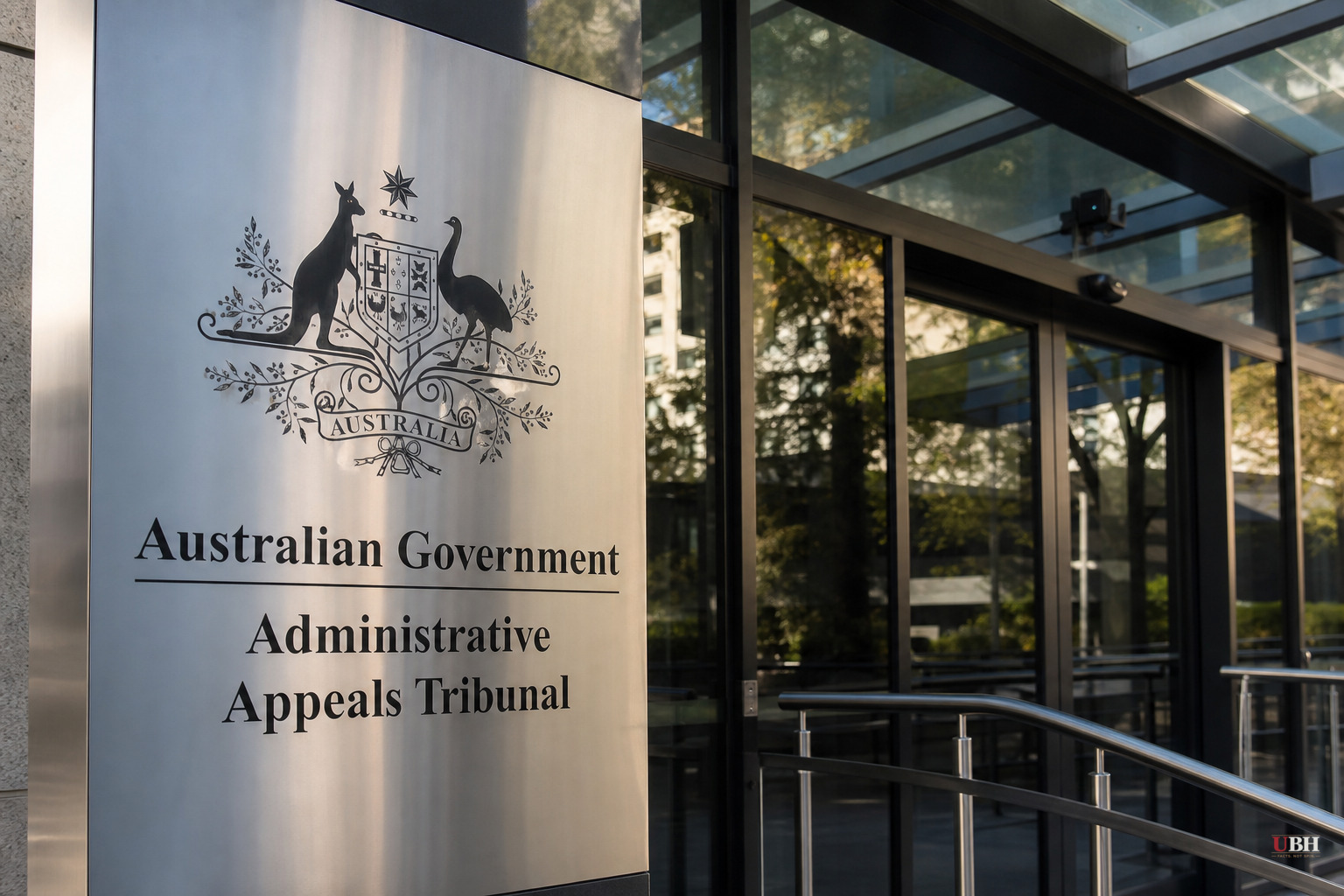
An Australian government tribunal has accepted that three Israeli citizens hold a genuine fear of persecution if forced into military conscription for the Israel Defense Forces, granting them the right to reapply for protection visas, according to the Guardian.
The tribunal's reasoning centered on the siblings' political opposition to the war in Gaza. According to the Guardian, the panel accepted their claim that conscription could force them to participate in actions they believe would violate international humanitarian law.
The ruling reopens the door for these three individuals to reapply for protection visas, sending their cases back into Australia's immigration system for further review. Whether Australia ultimately grants them permanent protection remains unresolved.
What the Case Actually Argues
Israel maintains mandatory military service for most Jewish citizens, with limited exemptions. Refusing conscription in Israel can carry legal consequences, including imprisonment in some cases.
The siblings' argument, as characterized by the Guardian, is not that they oppose military service generally. It's that they object specifically to being conscripted into a war they believe involves violations of humanitarian law in Gaza, and that punishment for refusing on those grounds amounts to persecution for political opinion.
Australian tribunals evaluating asylum claims generally require applicants to show a well-founded fear of persecution tied to race, religion, nationality, political opinion, or membership in a particular social group under the framework of the 1951 Refugee Convention. The tribunal here apparently found that opposition to specific military conduct, combined with legal consequences for refusing service, can qualify as political-opinion persecution.
The Legitimate Counter-Argument
Critics of expansive conscientious-objector asylum claims make a fair point: nearly every democracy with mandatory military service, Israel, South Korea, Switzerland, among others, punishes draft refusal to some degree. If refusing conscription during any war a person personally disagrees with counts as grounds for asylum, that's a standard that could apply to citizens of dozens of countries at any given time, including American citizens objecting to a hypothetical draft during an unpopular conflict.
There's also a fairness question specific to Israel. The IDF is a conscript military of a democratic state currently engaged in a war it says is a defensive response to the October 7, 2023 Hamas attack that killed roughly 1,200 people. Whether Israel's conduct in Gaza constitutes international humanitarian law violations is heavily disputed, with allegations made by groups like the International Court of Justice and human rights organizations, and vigorously denied by the Israeli government. The tribunal's decision to accept the siblings' fear as genuine is not the same as an Australian government ruling that Israel is, in fact, violating humanitarian law. That distinction matters and shouldn't get lost.
At the same time, the asylum framework exists precisely to protect individuals with specific, sincere, and legally cognizable objections, not to render a verdict on a foreign government's war conduct. A tribunal accepting that three specific individuals hold a genuine fear is a narrower and more defensible finding than a blanket judgment about the IDF or the war itself.
What's Missing From the Coverage
The Guardian's write-up is thin on specifics that matter for readers evaluating this case: the names of the siblings, their ages, when they arrived in Australia, when they filed their claims, and the tribunal's full written reasoning are not detailed in the available reporting. Without the tribunal's full decision, it is difficult to assess how narrowly or broadly this precedent might apply to future claimants citing similar objections to Israeli military service.
The Guardian frames this primarily as a story about three individuals' rights, without addressing the broader policy question head-on: does this ruling create a template other Israeli citizens opposed to the Gaza war could use to seek asylum in Australia? That's a legitimate follow-up question the available reporting doesn't answer.
What Happens Next
The three siblings must now formally reapply for protection visas through Australia's Department of Home Affairs. Reapplication does not guarantee approval. The case will likely draw scrutiny from Australia's immigration minister and could face further legal challenge depending on the outcome, given the precedent-setting nature of accepting war-conduct objection as a basis for conscientious-objector asylum claims.
The war in Gaza continues, and Israel's conscription obligations remain in force for its citizens. Whether more Israelis cite similar objections in future Australian asylum claims, and how tribunals there handle them, is the open question this case leaves behind.
Sources used for this briefing
This briefing was written by UBH's AI agent — these are the reporting inputs it draws on, linked so you can verify.


