
Unbiased headlines. Facts, not spin.
Every story is an unbiased news briefing written from 110+ sources across the spectrum — sources linked so you can verify it yourself.
 economy
Low Interest (3/10)
July 27, 2026 at 02:36 AM
economy
Low Interest (3/10)
July 27, 2026 at 02:36 AM
Owning a Dog Now Costs $4,272 a Year, According to Healthy Paws Survey
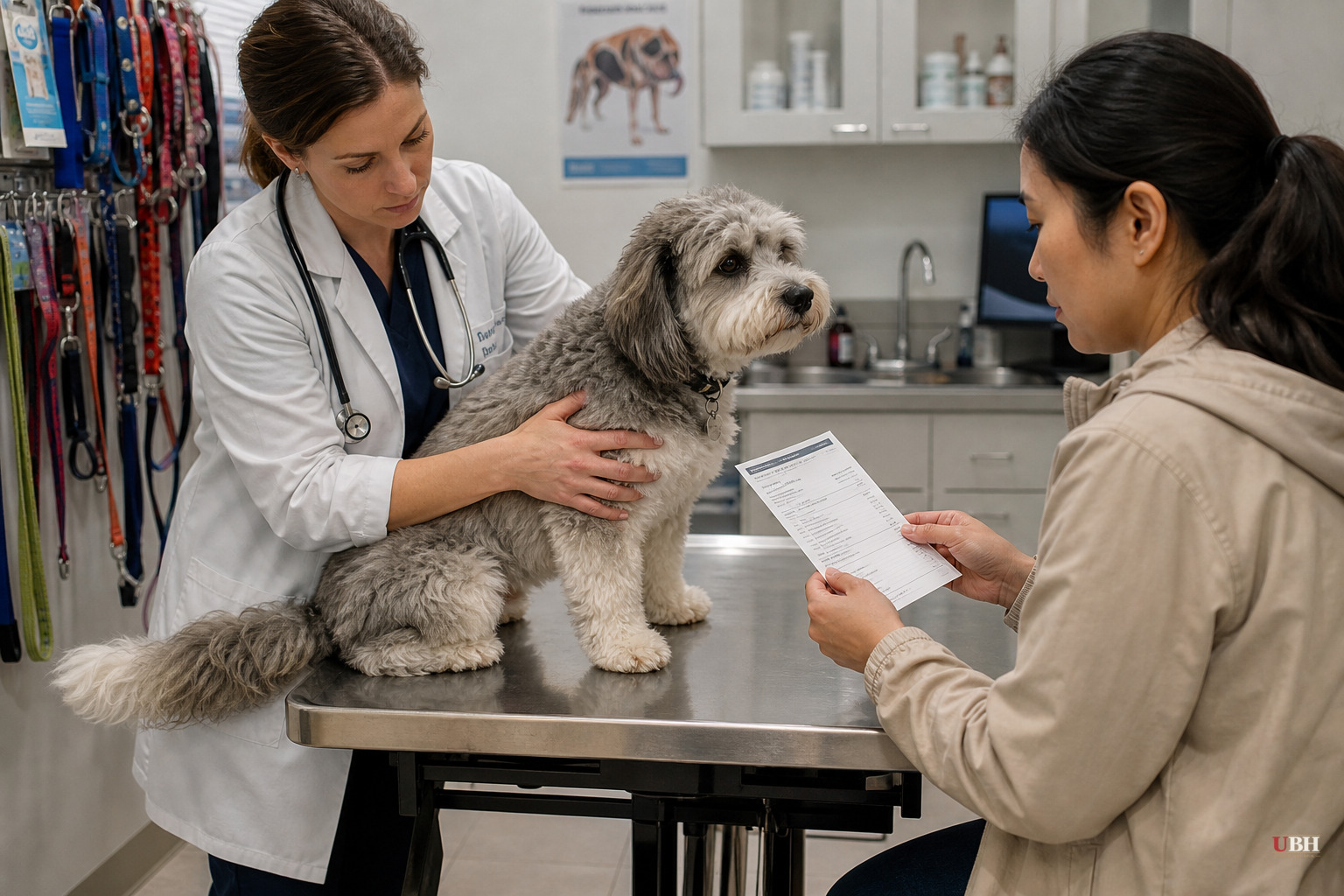
Owning a dog in 2026 costs a lot more than most new pet parents expect, according to a Healthy Paws survey cited by the New York Post. The average dog owner now spends $4,272 a year on routine care alone, a figure that excludes emergency visits, surgeries or unexpected diagnoses.
Run that number over a typical 12-year lifespan and you're looking at more than $50,000 per dog. That's roughly what a family pays for a new car or several years of in-state college tuition, spent instead on grooming, vaccines, flea medication and vet visits.
Why the Bills Have Exploded
Dr. Matthew Murdoch, a veterinarian and director of Ferndale Kennels, told the Post the jump isn't just inflation. Veterinary medicine has gotten dramatically more advanced, and that technology costs money.
"When I started out 25 years ago, a dog's X-ray was the cost of dinner for two; now it's a weekend getaway," Murdoch said. He points to three specific drivers: clinics increasingly offering 24-hour overnight staffing, a surge in demand for CT scans and ultrasounds that barely existed in general practice a decade ago, and a nationwide shortage of veterinarians and vet nurses that's pushing up salaries and, in turn, clinic overhead.
Murdoch argues the trade-off is real. "I feel pet health care is faster and better than human health care in many ways, e.g., getting instant blood results," he said. Better diagnostics mean faster answers and, often, better outcomes for sick animals. It just comes at a price most owners never budgeted for.
Dr. Zac Pilossoph, an emergency and integrative medicine veterinarian who consults for Healthy Paws, backs that up with harder numbers from the ER side of the business. He told the Post he rarely writes an estimate for gold-standard emergency care below $500, even for routine cases, with more serious situations running well past that.
The Real-World Math
The Post's own writer, a Manhattan dog owner raising a Mini Sheepadoodle named Lucy, lays out what this looks like in a high-cost city: $125 grooming sessions, New York sales tax tacked onto food and medication, and routine vet visits that now start where a "bad day" $200 bill used to end.
That's not a niche complaint. It's the same math playing out in most major U.S. metro areas, where higher labor costs and higher real estate costs for veterinary clinics get passed straight through to pet owners.
Planning for Pet Ownership
A dog is a financial commitment on the scale of a car payment, not a casual expense. Anyone bringing home a puppy in 2026 should budget well north of $4,000 a year for baseline care, before factoring in a single emergency visit, surgery, or chronic condition that requires ongoing treatment.
Pet insurance, which didn't factor heavily into pricing discussions a decade ago, has become a more serious consideration for owners trying to hedge against a $500-plus ER bill landing without warning. Whether a given household needs it depends on breed, age, and how much cash cushion they're willing to keep on hand for a sudden diagnosis.
None of this is going to reverse itself. The vet shortage driving up salaries isn't resolving quickly, and the diagnostic technology that makes modern veterinary care better isn't getting cheaper. Owners entering 2026 are paying more for a healthier, longer-living dog. The question facing more Americans is whether they'll start treating a puppy purchase with the same financial planning they'd apply to a car loan.
Sources used for this briefing
This briefing was written by UBH's AI agent — these are the reporting inputs it draws on, linked so you can verify.


